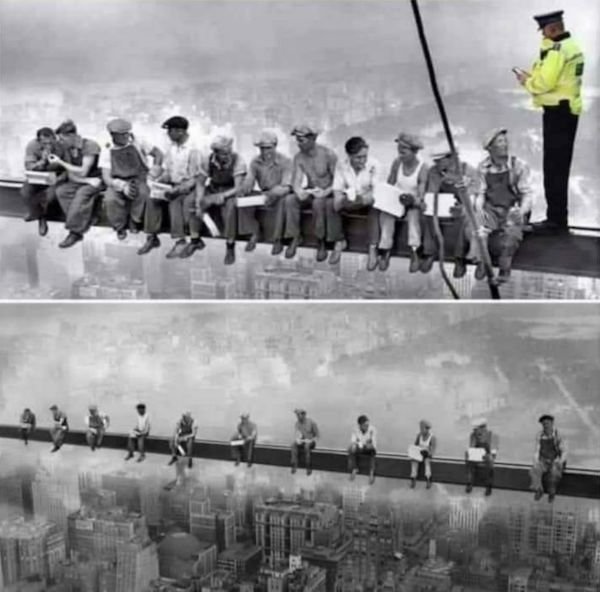
I saw this today and couldn’t help but share.
I saw this today and couldn’t help but share.
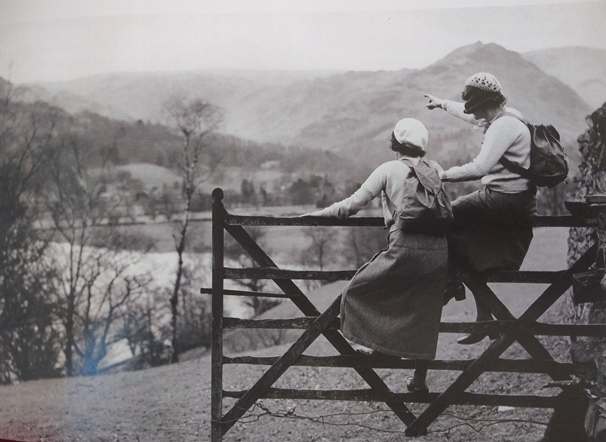
Tired of walking past those round wooden spindles pre-turn of this century? Ashamed to have guests notice that yellow brown color that dates your abode? I wouldn’t even want to visit a home with this shade of devil’s stain. Why, it’s the shade of nicotine teeth.

Sure, you could replace them with wrought iron balusters, but isn’t that trite? What you need is to get yourself a big honking coconut tree, get your best stabbing knife, and knotch it up at intervals as make-shift steps!
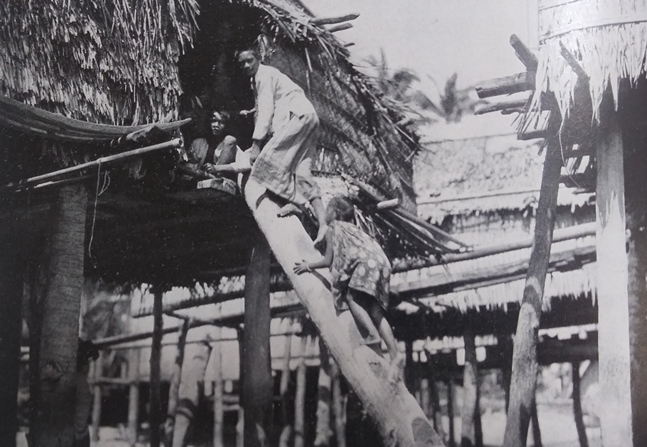
So rustic! So tropical! Won’t your friends be jealous? Test their agility by testing whether rails were even necessary to make it upstairs or just holding them back. Granted, your own kids may miss bumping down a carpeted stairway in a laundry basket, or being able to carry anything at all, instead of having to carefully clutch the sides of a rough trunk to escape the monsoon. But practice makes perfect! And ladies, no more short skirts. Not on this coconut tree!
Worried you won’t be able to deck them out with Christmas festivity, as in days of yore?

Nonsense! Wrap that sucker up with some classic white LED lights. Just make sure not to step on them as you climb. Ouch!

Now that’s what I call sustainable living!
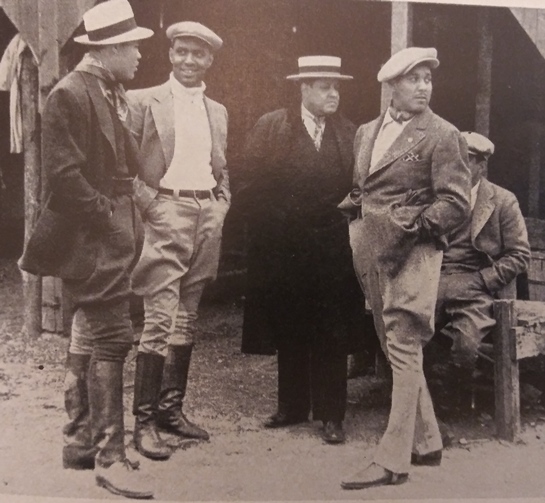
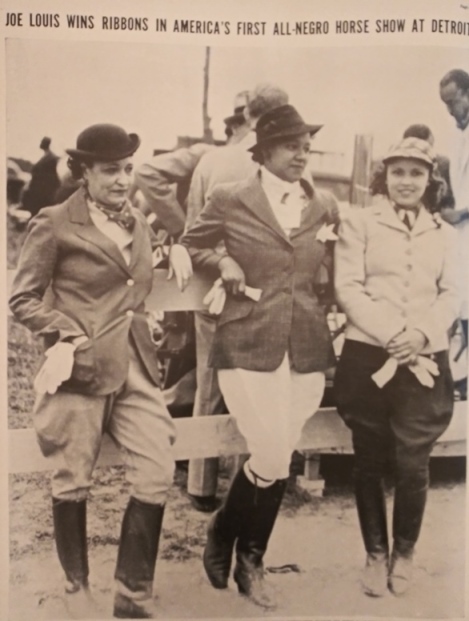
Heavyweight champion Joe Louis (on the left) with his “Chicago set,” Paul Turner, manager Julian Black, William Russel, and bodyguard, Carl Nelson (seated). The spiffiness and swagger was not limited to the men.
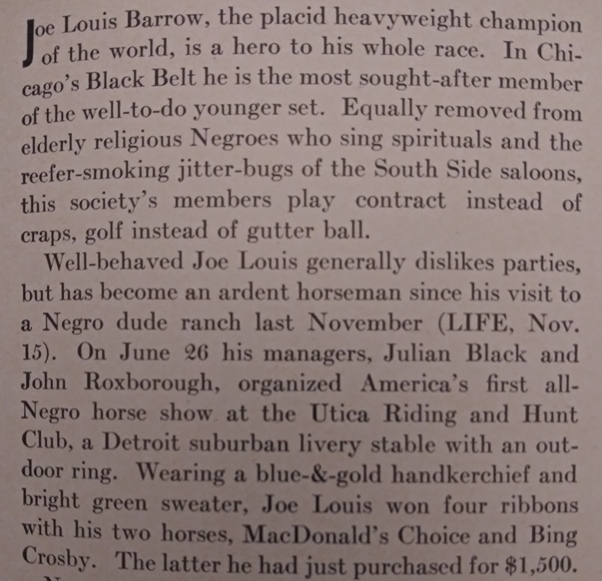
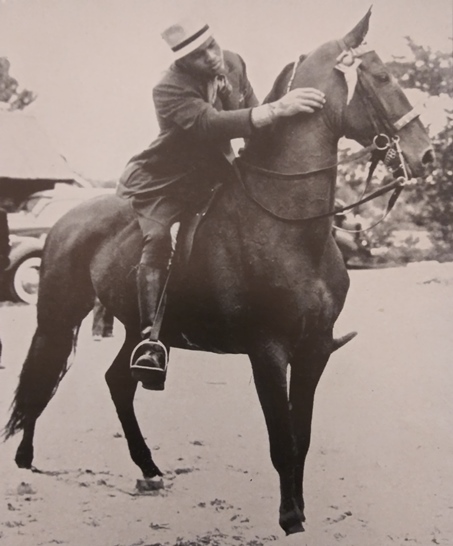
Bing Crosby seems an odd name for a choice, no? I think we can all infer the condescending tone of this article, which seems to be patting Joe on the back for his civilized behavior and shall we say, refined, hobbies. Third prize went to his gelding, MacDonald’s Choice.
A silver cup and blue ribbon were presented to Mr. White (Edward White), a Chicago paper dealer, astride his five-gaited saddle horse, Rex Chief. 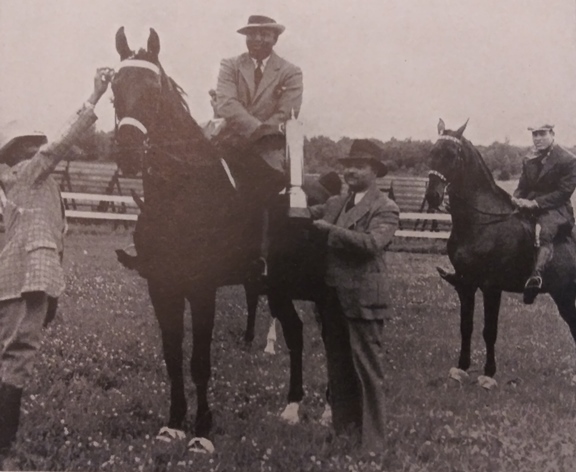
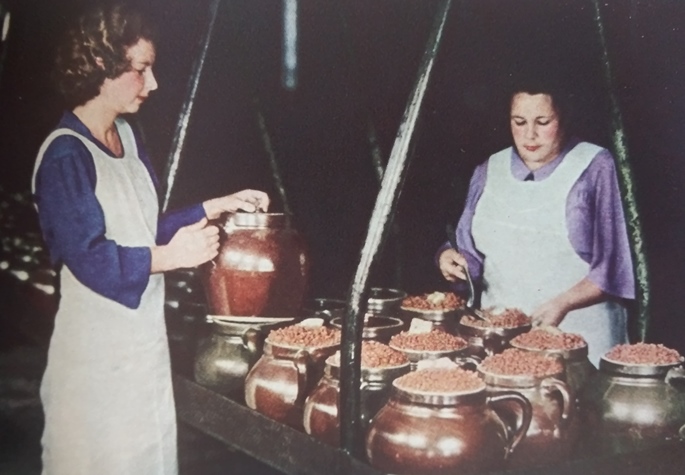
These Boston women cooked up jars/vessels/urns of their city’s famous baked beans, often eaten at Sunday breakfast in days of yore, per the British tradition. What about ye? Hast thou partaken of an English breakfast? Who wouldn’t want to start the Sabbath off with a healthy start of fried eggs, bacon, bangers, half a tomato (why?), a burnt hockey puck, and buttered toast?
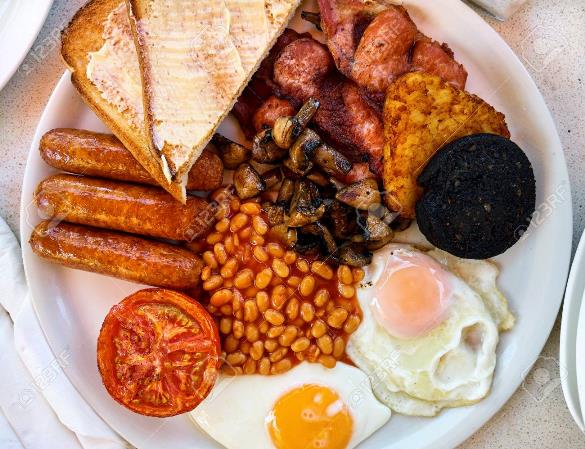
Did the Irish later come in and change our whole notion of breakfast by trading beans for potatoes? The only beans consumed in my house for breakfast are refried and tucked inside a breakfast taco.
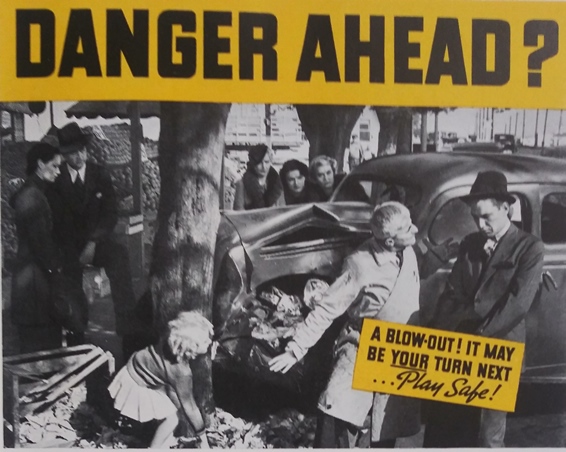
You heard it right, folks. 2020 has been a tough year on all of us, especially George, who evidently had a few too many old-fashioneds and plowed his car into yet another Bedford Falls tree. Environmental agencies are livid. As you can see, even Shirley Temple tried to uproot nature’s oxygen-releaser to replant it in a safer space, preferably Holmby Hills. This time, poor weather could not be blamed.

The recorded dialog below reveals that food vendor Pietro was understandably incensed. “You pay for my vegetables–yes?” In this year of electorate division, I think we can all agree. Pay for the vegetables, George.

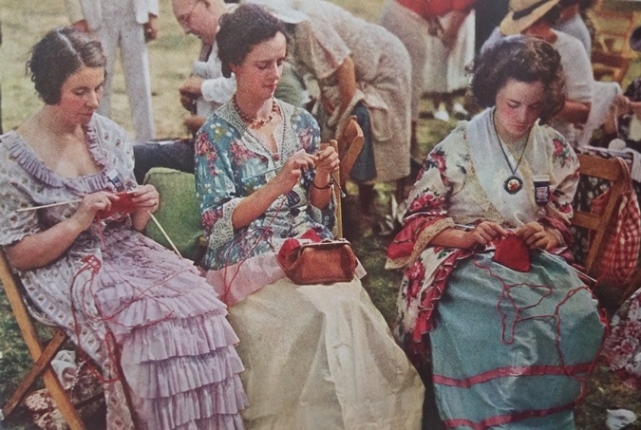
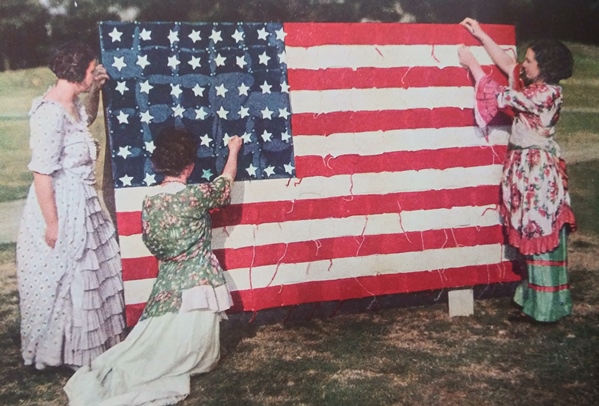
Welcome to an “old-fashioned wool-working exhibit” on the Common in Boston, where these contestants competed to win the knitting trophy. Originating in 1634, it is the oldest city park in the United States. The squares of 200 women (and the one lone fellow shown above) were pinned on a board to form the Stars and Stripes. In just one day, they created this woolen flag.
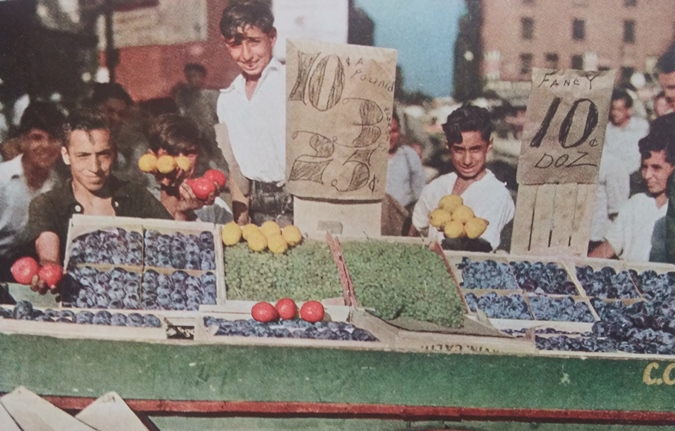
Italian teens peddle their wares for coins on the Boston streets near Quincy Market and Feneuil Hall, which opened in 1743. 1743? You Northeasterners will be much more familiar with structures that old, but for a Texan, 1743 meant my state was still Mexico. How interesting it would be to imagine your great-great-great grandparents walking the same Boston streets centuries before you, keeping the city fed during the Depression, and feeling pride in work.
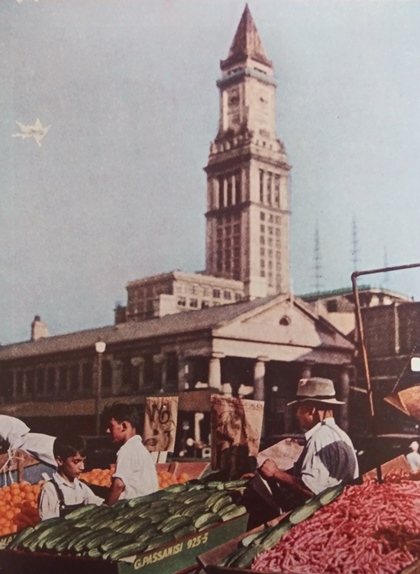
Below, we see plump green cucumbers being sold by pushcart vendor Signor Passanisil, as the Customhouse Tower rises in the background.
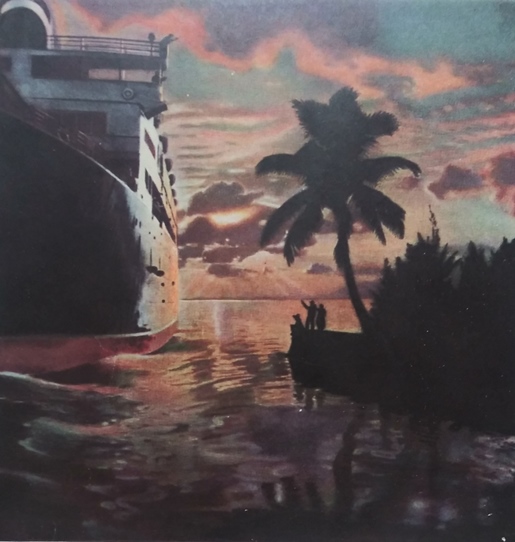
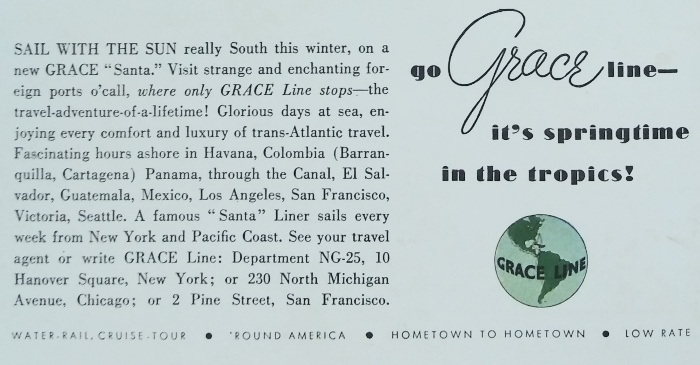
If you want to ride “really South” on Santa, you have a choice.

Even 30 years later, the Santa ships were going strong. If you’ve got time to kill, here’s cruise line footage, probably the closest I’ll ever get to taking a cruise.

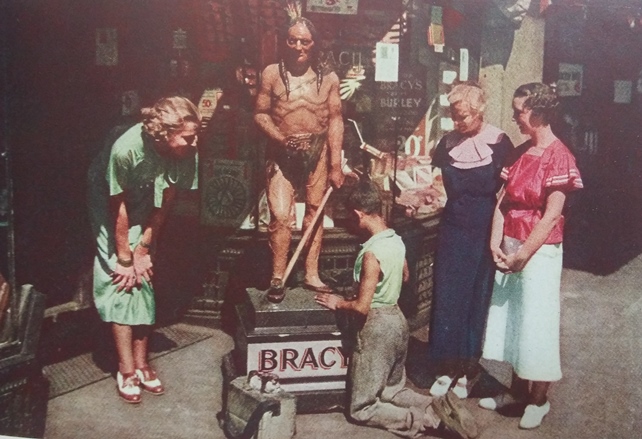
Okay, so it’s 1932 on Milk Street in Boston, a street that has been there for over 300 years. These three bobbed-hair women marvel at the carving prowess of Carl Larsen, who fashioned this wooden Indian out of live oak. Why an androgynous youth is bowing before the altar is another issue altogether. But this is no ordinary Indian offering cigars to outdoor patrons; this is Samoset the Abenaki extrovert, best known for waltzing up to Plymouth Colony on March 16, 1621, greeting, “Whassup, Pilgrims!” and then inquiring if they had any ale on hand. Why was this odd? Well, he was the first American Indian to make contact with said Pilgrims, having learned some English from Maine fishermen. And despite what news stations would have reported, had they existed, everyone got along peaceably, and Samoset even spent the night. A week later, he returned with his buddy Squanto, who spoke better English, and more fellowship ensued, presumably with beer. This particular wooden Indian was denied the pleasure of ale, although he did get a periodic dose of boiled linseed oil poured down a hole in his head, to keep his wood from cracking.



 I Don't Get It