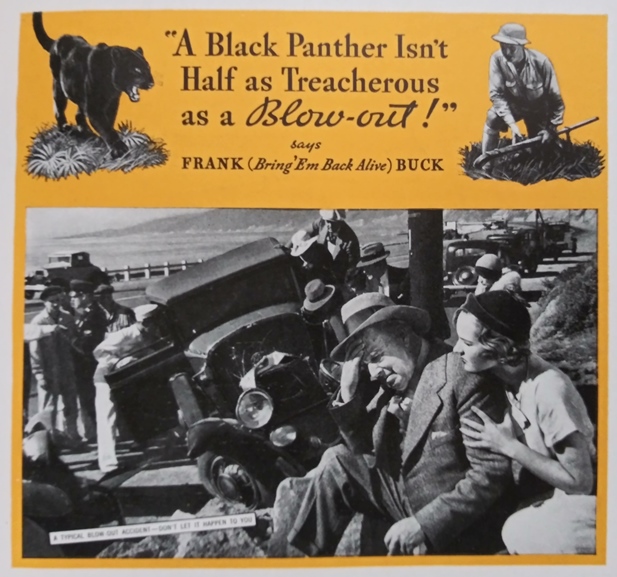
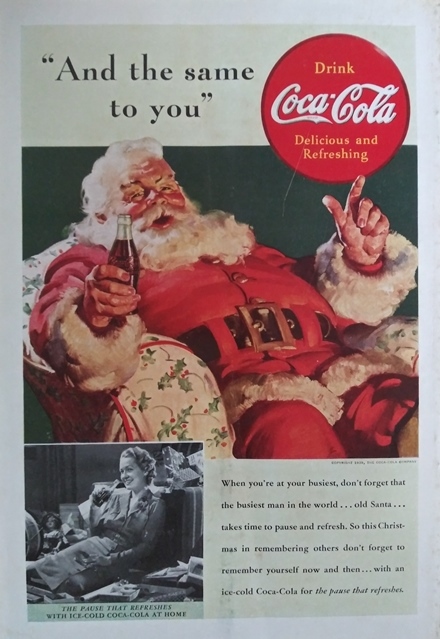
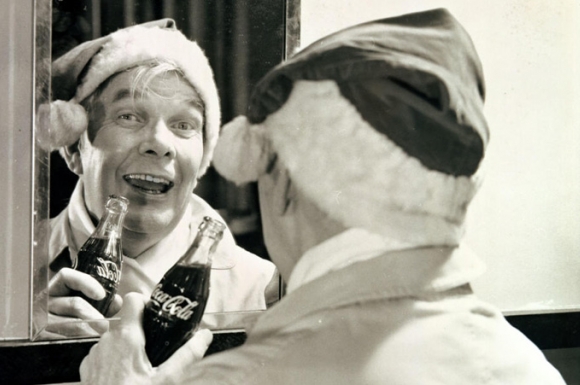
Not until artist Haddon Sundblom illustrated Santa Claus for Coca-Cola advertisements in 1931, did Americans associate a large snowbearded man in a red suit with the image of Kris Kringle. Below is Sundblom, enjoying a frosty bottle of his labors.
Most of us grew up with the image he created and cannot fathom a slender Santa, much less one with dark hair or no facial hair at all. In 2015, this model tried to offer a trimmer version at Yorkdale Shopping Center in Toronto.
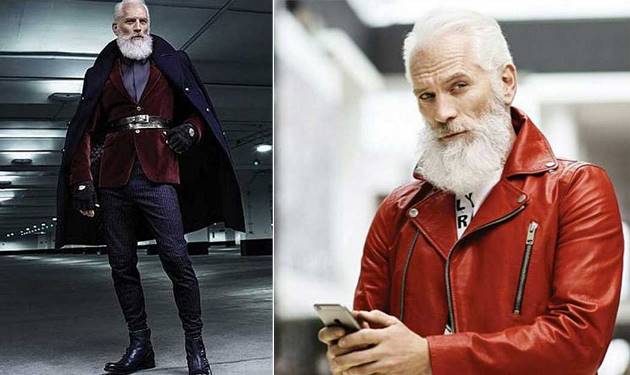
What do you think? Should Santa be svelte and hipster, rocking a Beat It jacket? Possibly even vegan?? I don’t think so. I like my Santa jolly and obese, and borderline diabetic from all that Coke and plates of cookies we leave out. I’d tell skinny Santa to beat it.
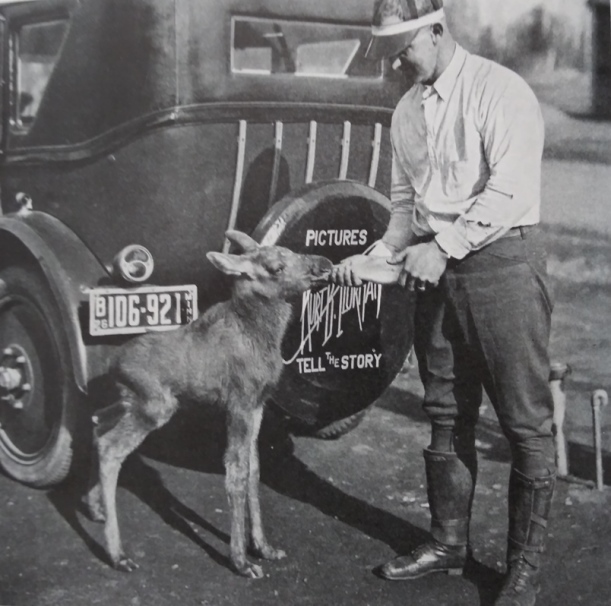
This gangly moose calf was separated from its mama during a forest fire and rescued at Beaver Bay, 50 miles from Duluth, Minnesota in 1935.


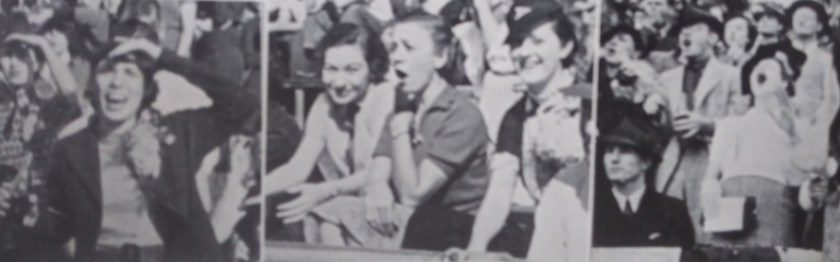
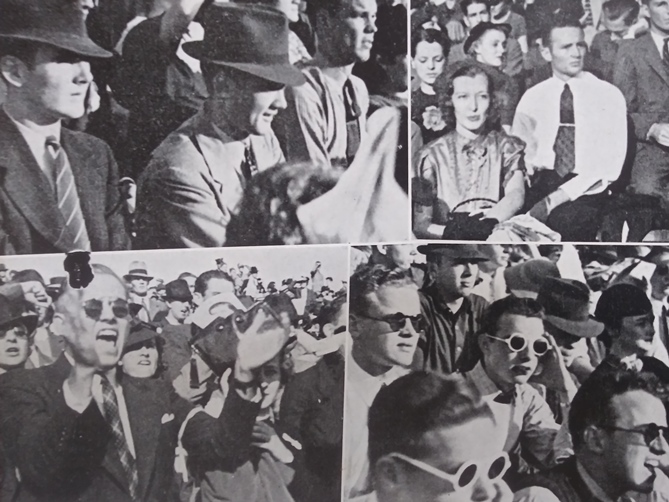

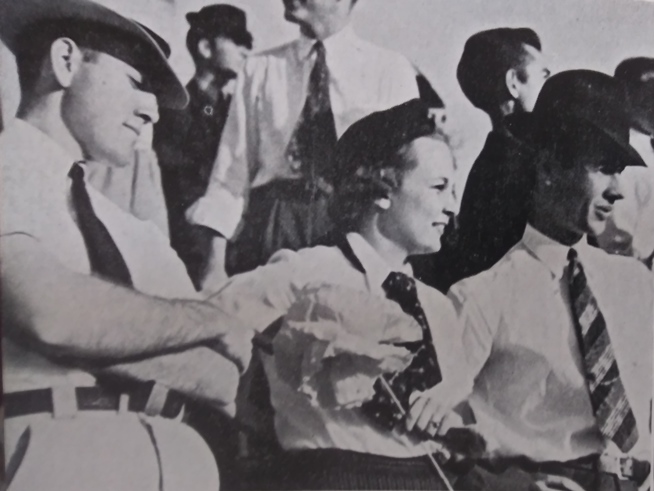
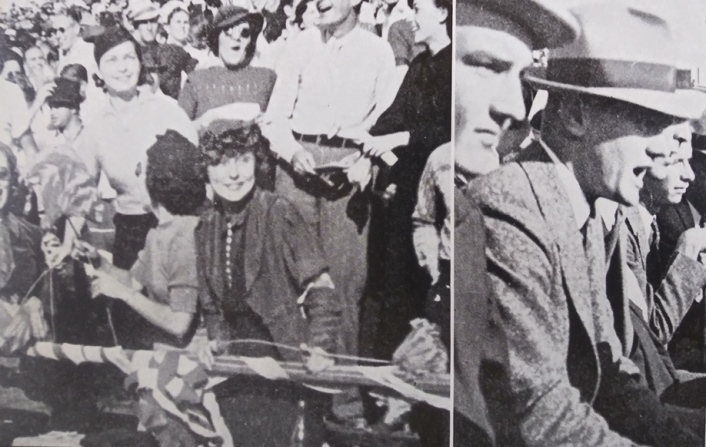
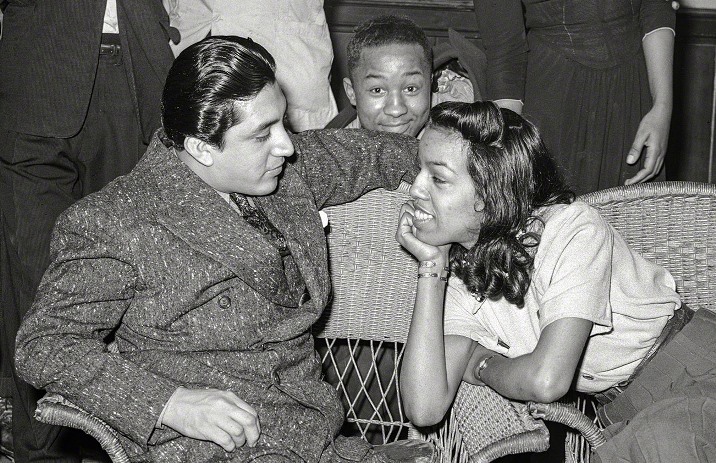
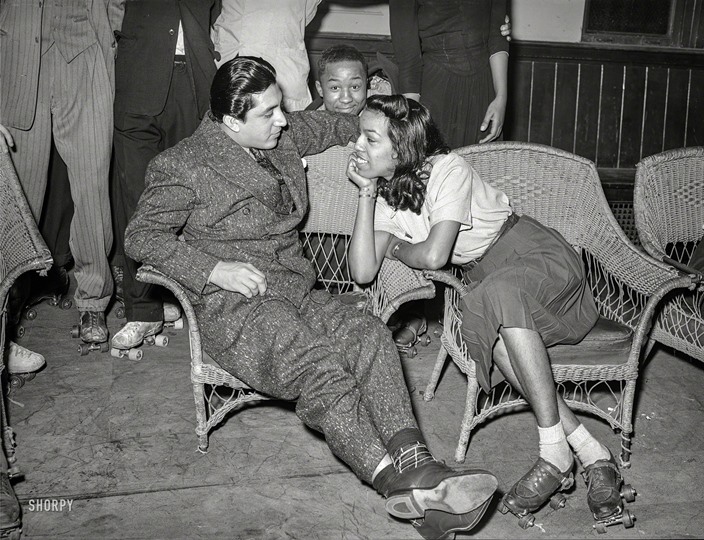
This rollerskate-clad lady doesn’t seem too shy with the slick-haired fellow at a rink in Southside, Chicago, Illinois in April 1941. Looks like there’s a good chance they’ll “find us a new recipe,” in the words of Ol’ Hank. Not sure what to do with that onlooking third wheel, though…

Today we pay homage to the costumes of Old Sweden. The ladies above were from Rättvik, a Swedish lakeside locality adjacent to a bunch of words that sound like the Swedish Chef said them. They were waiting for a “conveyance” to take them back home. Who says that anymore? Probably not even the people of Sweden at this point.
Next, we see another three dolls, Dals to be precise, in Boda, a locality situated in Rättvik Municipality. Already, you can notice the Swedes liked red horizontal stripes, which flatter almost none of us.

They were also fans of hats, as you can see in this next pic of a native of Södermanland, the duchy of then-Prince William. No, not that William. And no, not douchey, but duchy, which is a territory of a duke or duchess, or a dukedom. But not a dumb duke.
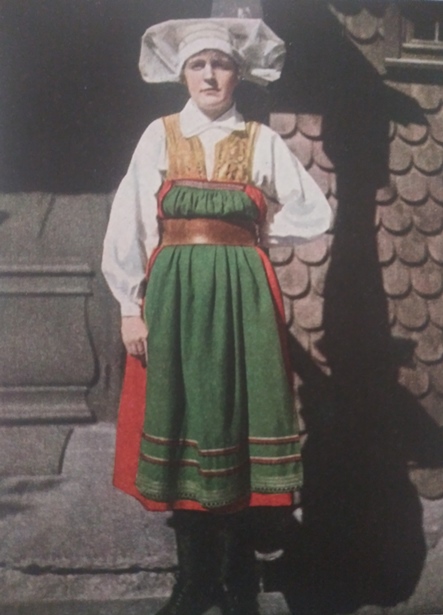
Speaking of fetching hats, this next trio sported three different variations. Mora’s hat, on the left, was “staidly Puritan.” Mora is a place, not her name. The middle girl, from Rättvik, wore a peaked cap with red stitching, perched atop the back of her head. The Leksand girl on the right wore a white cap only if she was married, and red if not.

Not to be outdone, men also sported old costumes and winter sleeping caps.
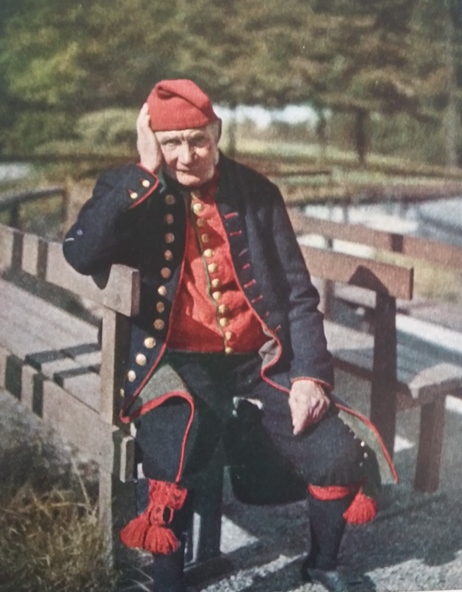 This bloke from Hälsingland is wearing something that reminds me of Rip Van Winkle. The quote below him says,
Therefore my age is as a lusty winter,
Frosty, but kindly.
– William Shakespeare
Children were not immune from donning gay apparel as well, while the women of Lake Siljan held tools.
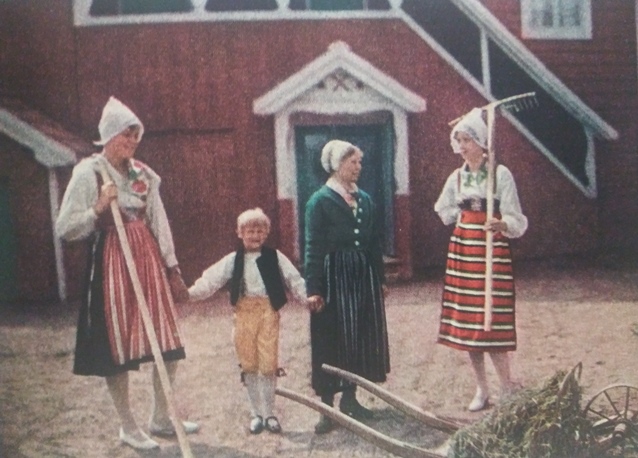
As you can see, they could not get enough red stripes.


Rare were the outfits that strayed from the norm. But always, the head was covered.


Two maids stood in the doorway of an old farmhouse at Leksand, one hopeful and one bitter.

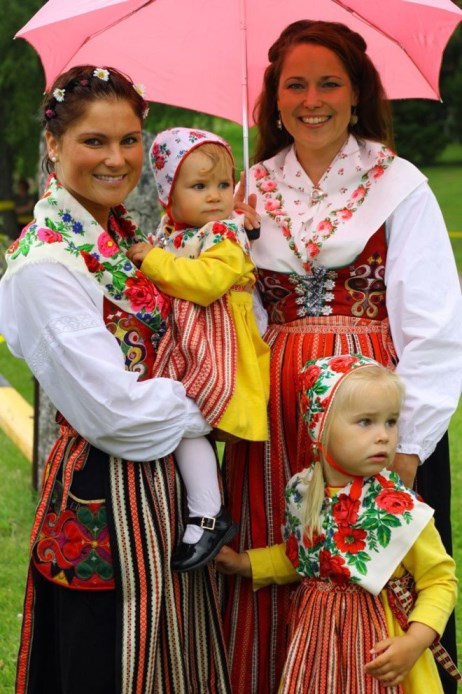
In modern-day Leksand, natives still sport traditional folk costumes as a nod to their past. Way to keep the history alive, ladies!
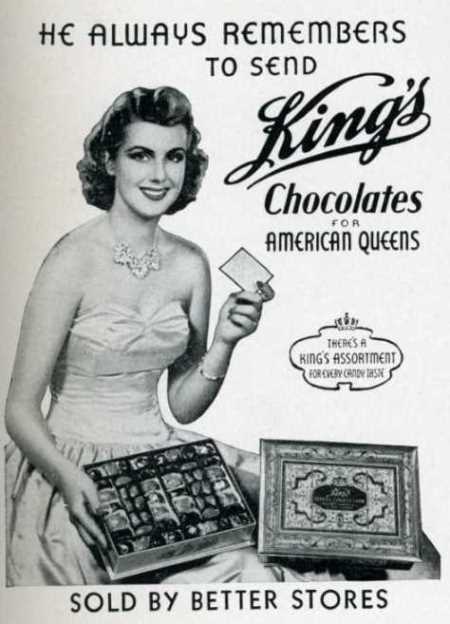
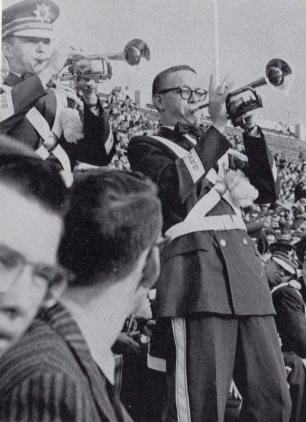
Baylor University’s 1961 Round-Up is chock full of merry music. From the marching band to the spectators…

To the upright bass.


There was crooning.
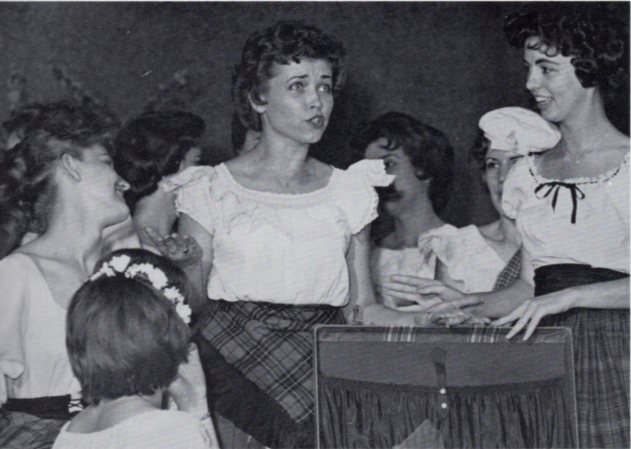
And dancing.

And whatever the heck this thing is.

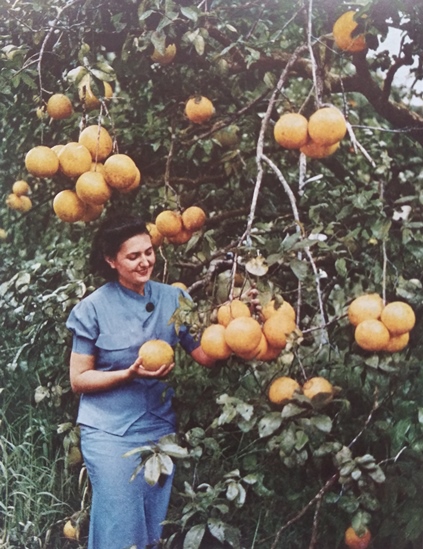
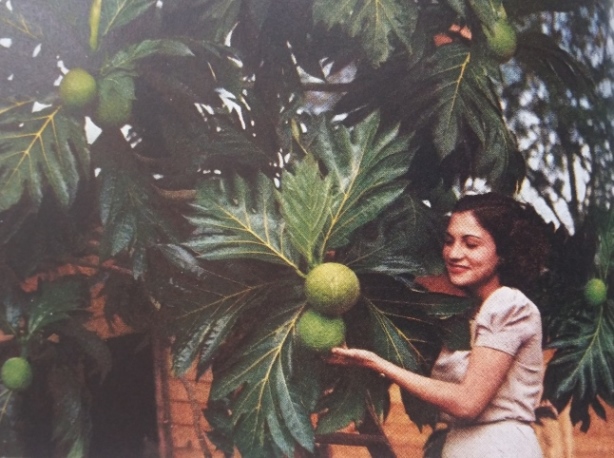
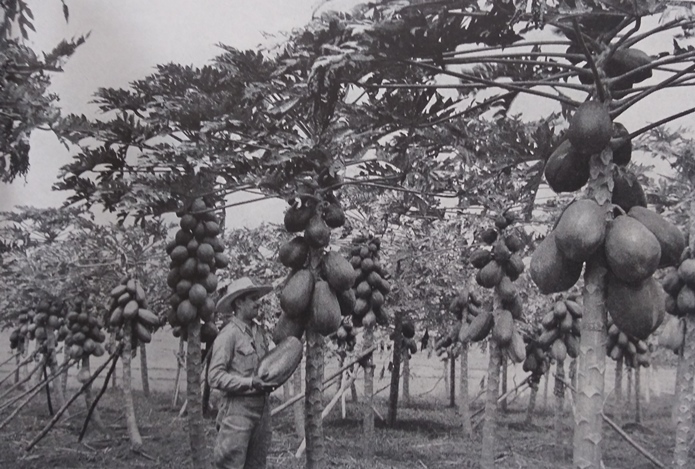
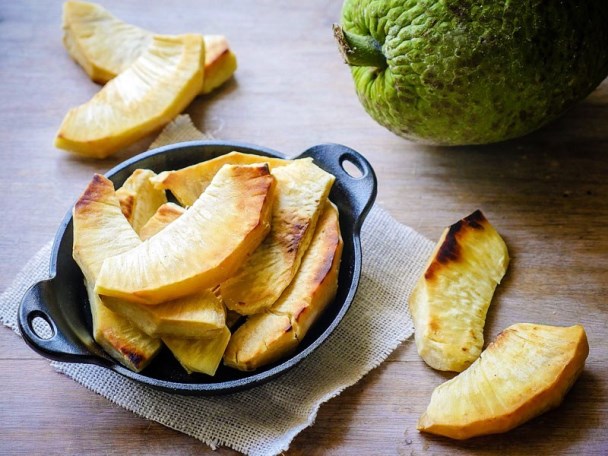
With grapefruits and papayas, I am familiar. But breadfruit? Never heard of it, never seen it, never scrolled past it on a menu. Evidently, you can roast and fry it. Have any of you ever tasted breadfruit?
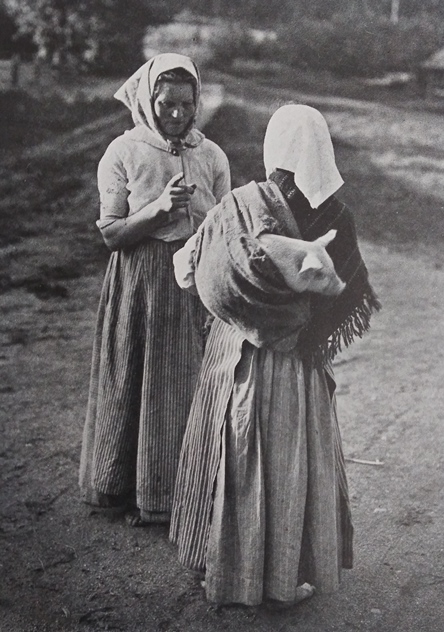

 I Don't Get It