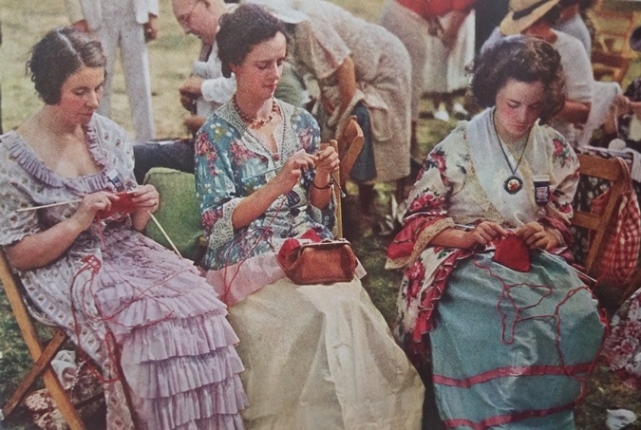
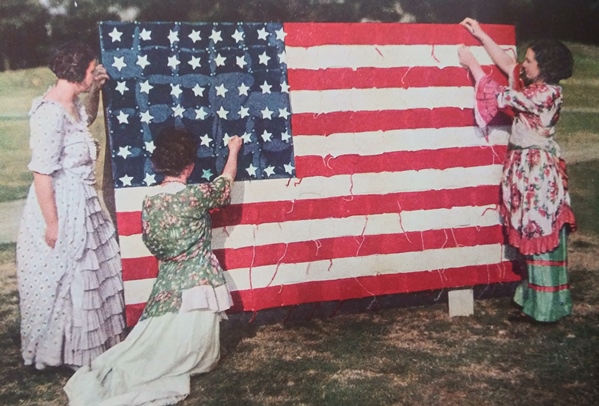
Welcome to an “old-fashioned wool-working exhibit” on the Common in Boston, where these contestants competed to win the knitting trophy. Originating in 1634, it is the oldest city park in the United States. The squares of 200 women (and the one lone fellow shown above) were pinned on a board to form the Stars and Stripes. In just one day, they created this woolen flag.
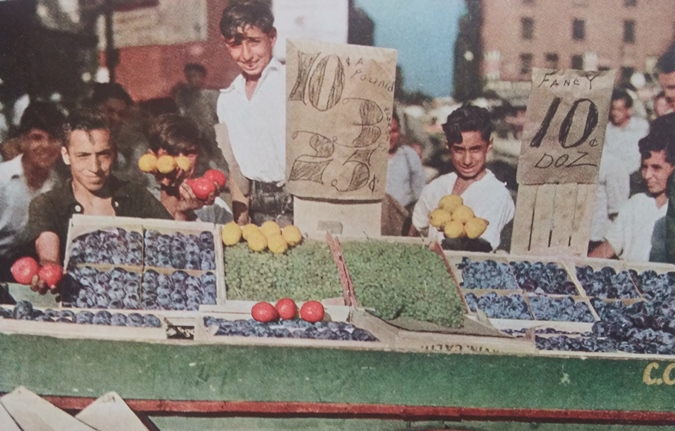
Italian teens peddle their wares for coins on the Boston streets near Quincy Market and Feneuil Hall, which opened in 1743. 1743? You Northeasterners will be much more familiar with structures that old, but for a Texan, 1743 meant my state was still Mexico. How interesting it would be to imagine your great-great-great grandparents walking the same Boston streets centuries before you, keeping the city fed during the Depression, and feeling pride in work.
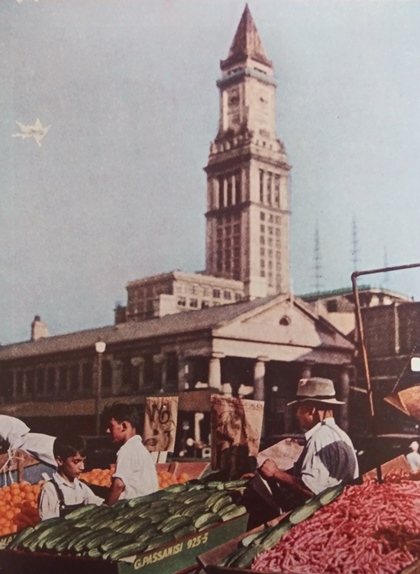
Below, we see plump green cucumbers being sold by pushcart vendor Signor Passanisil, as the Customhouse Tower rises in the background.
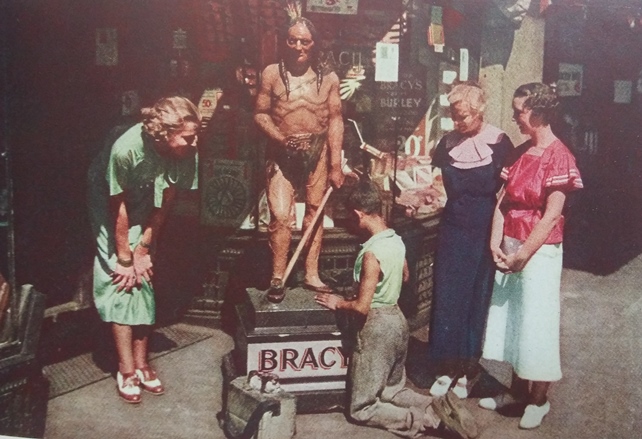
Okay, so it’s 1932 on Milk Street in Boston, a street that has been there for over 300 years. These three bobbed-hair women marvel at the carving prowess of Carl Larsen, who fashioned this wooden Indian out of live oak. Why an androgynous youth is bowing before the altar is another issue altogether. But this is no ordinary Indian offering cigars to outdoor patrons; this is Samoset the Abenaki extrovert, best known for waltzing up to Plymouth Colony on March 16, 1621, greeting, “Whassup, Pilgrims!” and then inquiring if they had any ale on hand. Why was this odd? Well, he was the first American Indian to make contact with said Pilgrims, having learned some English from Maine fishermen. And despite what news stations would have reported, had they existed, everyone got along peaceably, and Samoset even spent the night. A week later, he returned with his buddy Squanto, who spoke better English, and more fellowship ensued, presumably with beer. This particular wooden Indian was denied the pleasure of ale, although he did get a periodic dose of boiled linseed oil poured down a hole in his head, to keep his wood from cracking.
After I followed the prompts in this helpful post, I can post like in days of yore. Woot woot! Thanks to MaxTheDog and doesitevenmatter3 for your help! And yes, it does even matter. It totally matters.
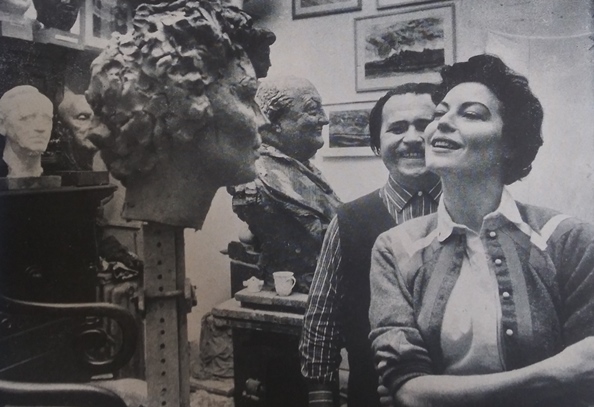
Among all the assessment was another “ass,” Bulgarian artist Assen Peikov, who was contracted to sculpt the actress’s face for a scene in her upcoming movie, The Barefoot Contessa (not to be confused with the Food Network chef). Wonder who got to keep the bust when the movie ended?
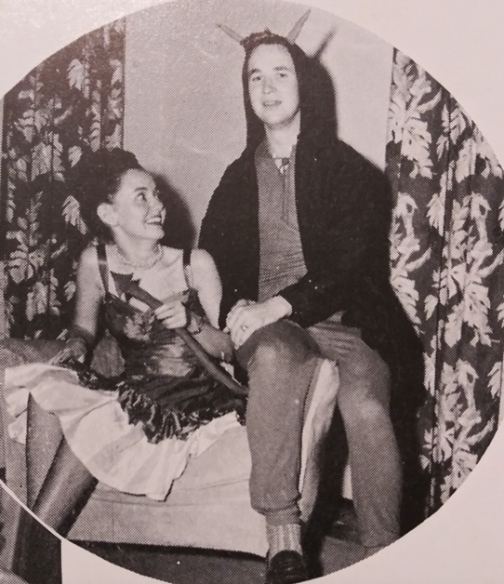
Actually, it wasn’t Revlon; it was Cutex, a name we associate today strictly with nails, not lips. But back in the day, they offered coordinated colors for style from head to toe! Step off, Satan! I’m fabulous!









 I Don't Get It