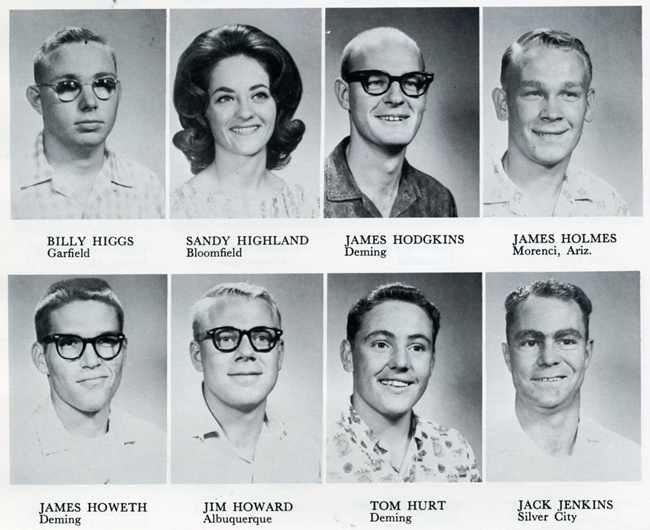
Poor Billy. If only he could have used James’s frames for the portrait. Any of the Jameses would have done.
Poor Billy. If only he could have used James’s frames for the portrait. Any of the Jameses would have done.
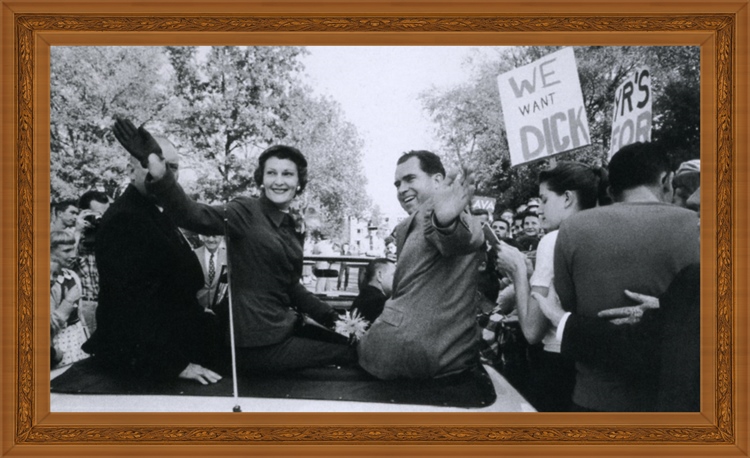
Dick Nixon did much of the 1956 campaigning for the Eisenhower-Nixon ticket. Here he and wife Pat ride through a snowy Evanston, Illinois.
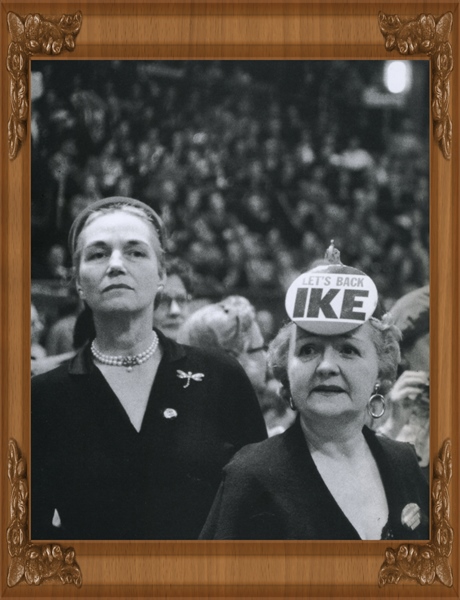
Eisenhower defeated Democratic presidential nominee Adlai Stevenson II (there are actually four) in both the 1952 and 1956 elections, due to attitudes like this.

And snappy hats such as this.
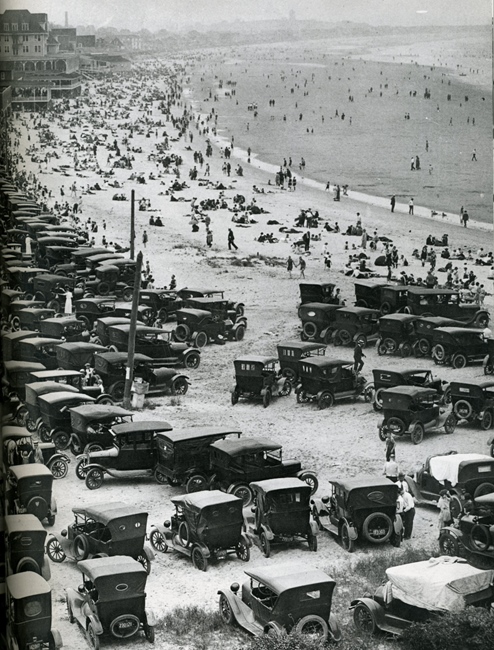
The beach at Nantasket, Massachusetts was brimming with Ford motorcars on The 4th of July 1925. After a dip in the ocean, how would you find your way back to your car? With such lack of variety in models, how would a 50-year-old man buy a “crisis car”? Could you steal another’s spare tire and afix it to your own vehicle? When did they start marking parking spaces with white paint? Didn’t the black absorb the summer sun?
Fifteen more years would pass before the 1940 Packard offered factory-installed air-conditioning. But even by 1969, only half of all new cars had it. We never had it in our cars in the ’70s. That metal lapbelt clasp would scald the bejeesus out of my skin. Remember how it felt when the vinyl seat ripped the top layer of your thigh skin off?

P.S., where can I get a brassiere like this? This defies gravity.

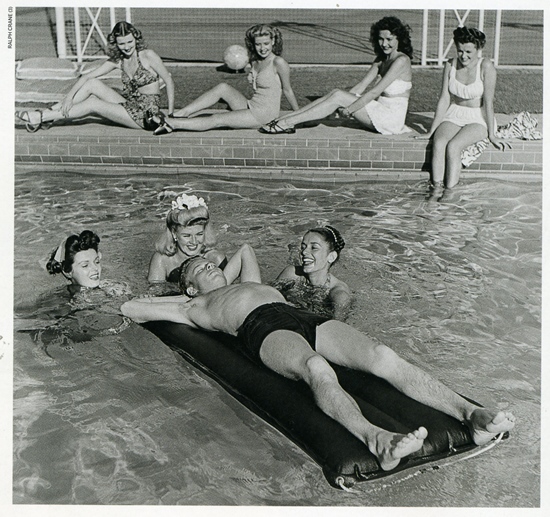
Here’s some morale for the troops! LIFE asked Ginger Rogers (not shown here) to give a dream party to a GI, and the lucky recipient was the lipstick-covered Private John Farnsworth. The 22-year-old Farnsworth had served three years in the Pacific during WWII and returned home in 1944 to recover from malaria. After lunch, dancing, and games, the women sent him on his way–with a story to tell his buddies.
Women shown above include: Barbara Hale, Lynne Baggett, Gloria DeHaven, Lynn Bari, Jinx Falkenburg, Dolores Moran, and Chili Williams.
Talk about your day in the sun!

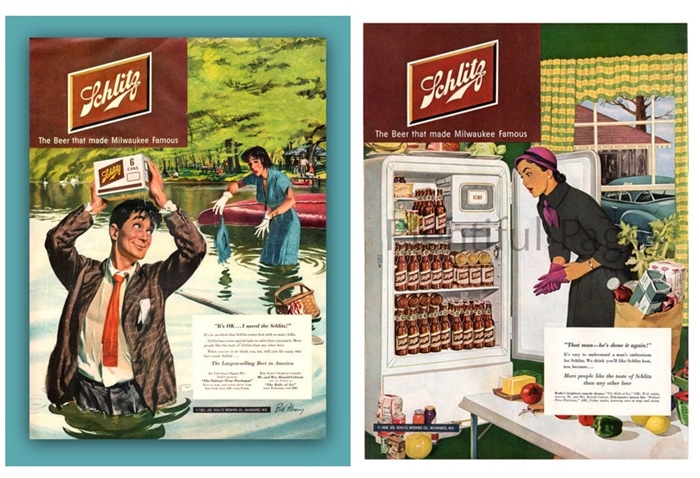
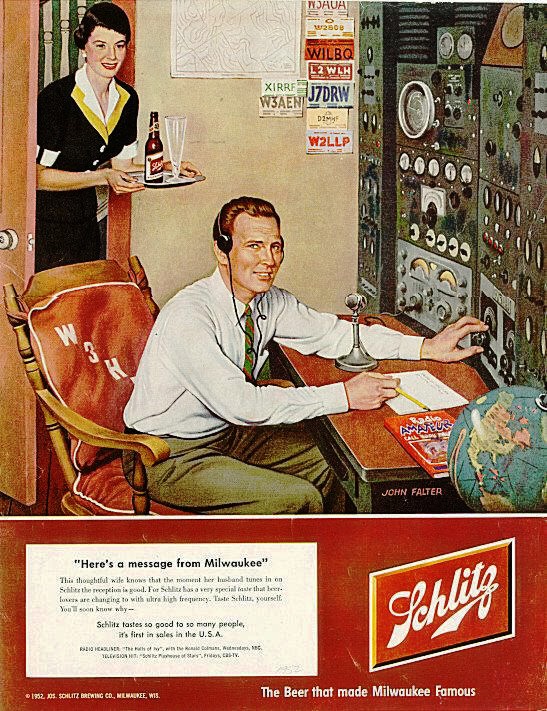
These young men may have been in the Lone Star State, but they were swilling brown bottles of the beer that made Milwaukee famous.
Schlitz may not be your first choice for ale, but they had some great ads back in the day.
The women above look surprised, but this gal looks downright mischievous.
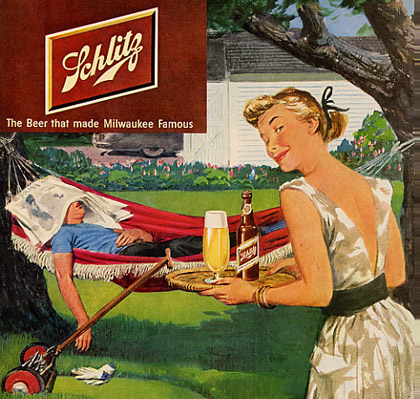
And this one is great as an indicator of the era.
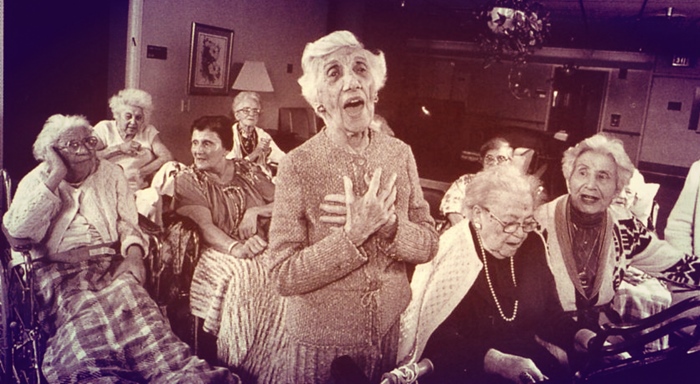
90-year-old Illinois resident Celia Goldie belts out a rendition of “Let Me Call You Sweetheart” in 1988.
Two things I notice right off the bat:
Just look how even the gender population is at age 64. But by 85, the men are barely represented.

If you’re interested in moving in, the Lieberman Center serves kosher food, and the current daily rate for a room is $278. Wow–that’s more than double our daily household income! But keep in mind that most of that is covered by Medicare and Medicaid.
For her part, Mrs. Goldie was quoted as saying, “I hope I drop dead before I’m here one year.” She was profiled in an October 1988 People article as such:
Nearby, a nurse spoon-feeds ice cream to a man strapped into a wheelchair. Beside him, a woman dozes, her head against her walker.
“Look at them—half of them are dead,” Celia says, waving her hand. “I’m alive. I guess I have to make the best of a bad bargain. What can I do? I can’t go back. So I have to like it here. You look around you, and you realize how grateful you are.”
Per articles.chicagotribune.com, she died in September of 1989 at Rush North Shore Medical Center in Skokie. She had been a resident of the Lieberman Geriatric Center for 13 1/2 months.
For more on Celia’s story, visit: http://www.people.com/.

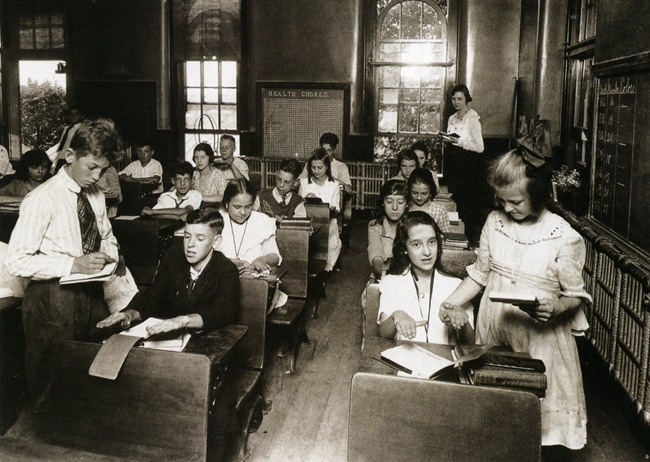
In the 1920s, school concerned not only academics, but deportment and grooming as well.


The Herald Sun declared this milk bar in Brunswick (a suburb of Melbourne, Victoria) “a sight unlikely to last much into the 21st century.”
But what is a milk bar? Those two words don’t go together. Perhaps a milk chocolate bar, like a satisfying Snickers (not fun-size please). But when I think of a bar (and I do, often), milk is not included. No dairy, no cream, no White Russians for me. Just the pints, ma’am. And maybe a whiskey sour. But certainly not a glass of milk.
Actually, the USA does have seven bakeries called milk bar, which its own website praises as “a culinary empire and lifestyle brand founded by award-winning pastry chef and masterchef judge christina tosi.” You see how they did that? They used lowercase on her name to balance out the pretentiousness of overpriced dessert. Bad grammar doesn’t fix the fact that a SIX INCH birthday cake is $50.50 online. Holy Mary mother of God, I saw an 8″ fresh fruit tart at Sprouts yesterday for $6.99. Now what’s the better deal? Sorry, it’s just that when I see terms like “lifestyle brand,” I throw up a little in my mouth.
But back to real milk bars. It’s actually quite simple. They were general stores/corner stores, where one could go to pick up groceries such as milk. They are being replaced by more modern convenience stores such as 7-11, and the ones that do exist serve mainly ice cream and milkshakes. Below is said to be the first recorded milk bar in Australia.
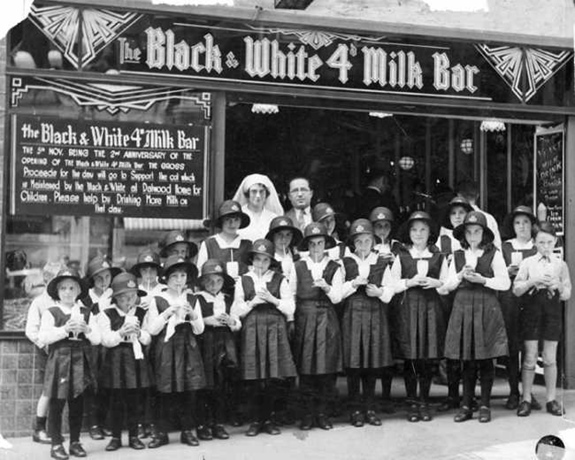
Englishman James Meadow Charles opened the first milk bar in 1930 as the “Lake View Milk Bar” at Bangalore, India. The concept spread to the UK, where it became a morally acceptable alternative to the pub–a place to get diabetes instead of alcohol poisoning. By 1936, over 1,000 milk bars had opened nationally. Sounds like a perfect place for teens to gather.
And this one is full of Australian brands of which I’ve never heard: Streets, Peter Jackson, Tarax?
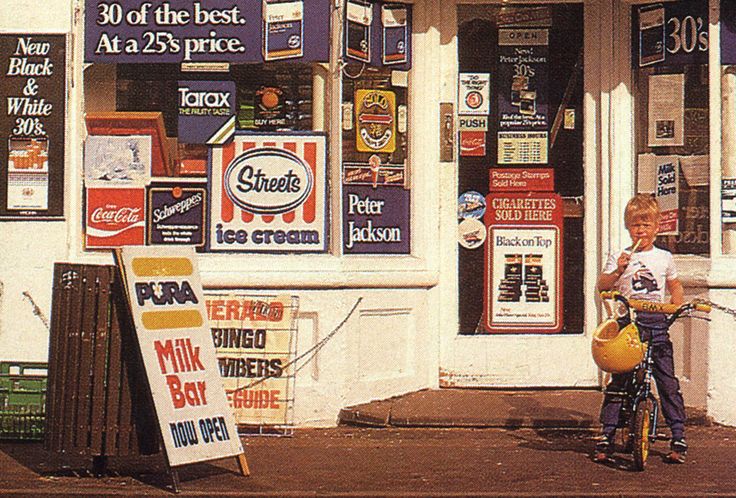
He’s a cute little bugger, no?

At first glance, one might find pity on this older woman at the laundromat (we call it washateria in the lower states), and in Australia (where she was) it’s the laundrette. Note how she has put herself together to visit this place of convenience: heels, floral dress, and cardigan. Nothing like the flip-flops and jean shorts one sees today.
 I Don't Get It