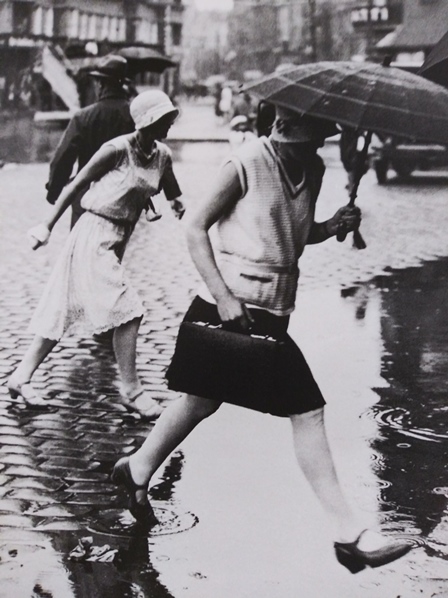
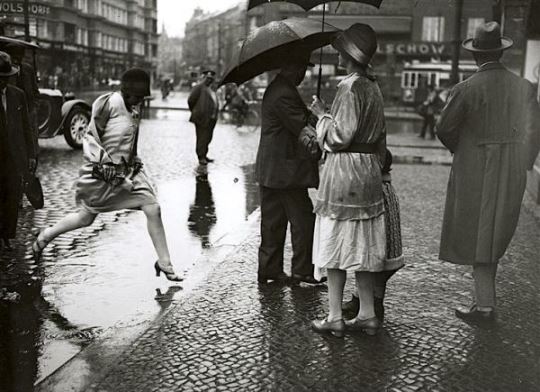
And where is a man to lay down his cape, so that the women may pass? Indeed, this puddle is much too deep for that, and too wide.
Here in Central Texas, we have received more spring rain than I can ever remember, and still more threatens through Saturday, though we pray it ends today. There’s only so much dirty puddle water one can tolerate sloshing about in her high heels.
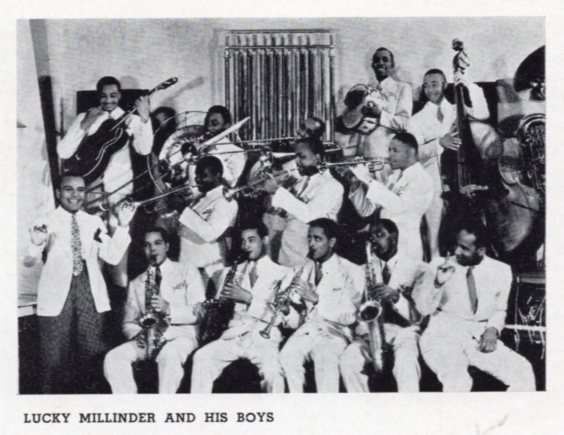
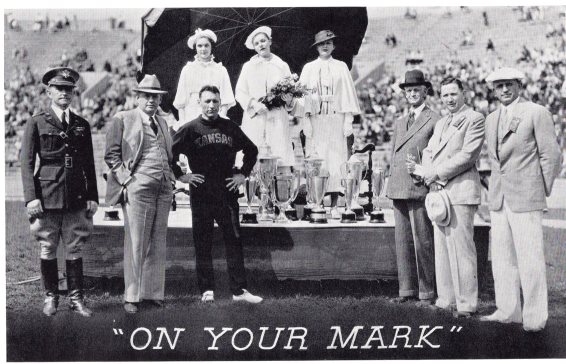
Though we don’t think of 1936 as a particularly hopeful, happy year in American history, the students at the University of Kansas seemed to be doing just fine.
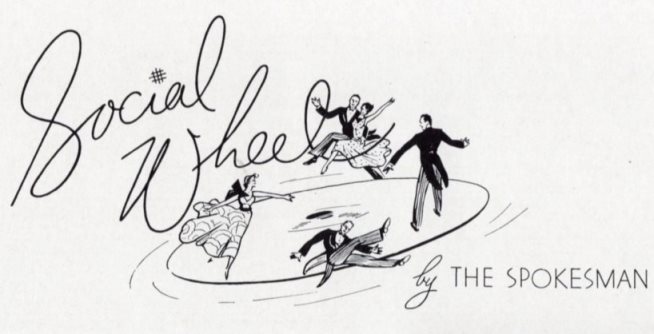
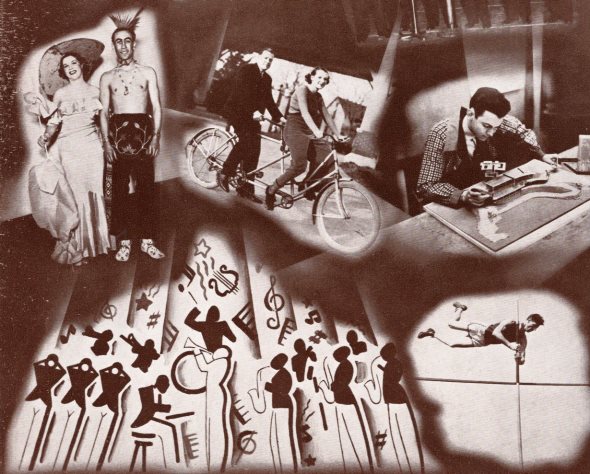
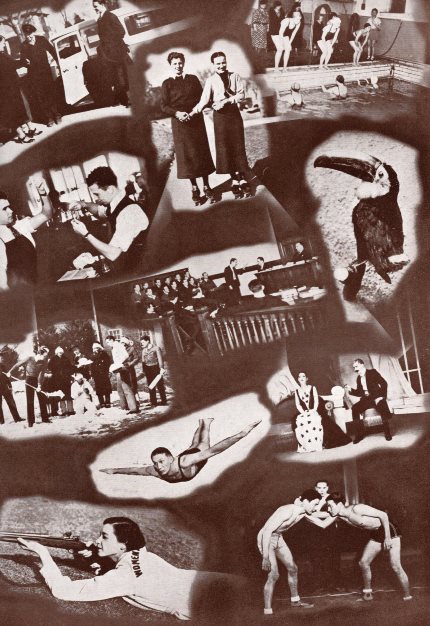
Interesting jazzy artwork, no? Costume parties, bicycles built for two…
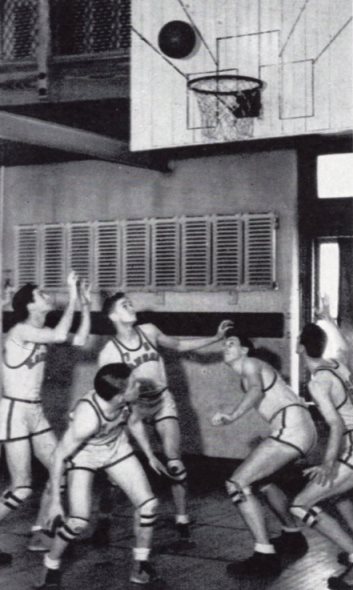
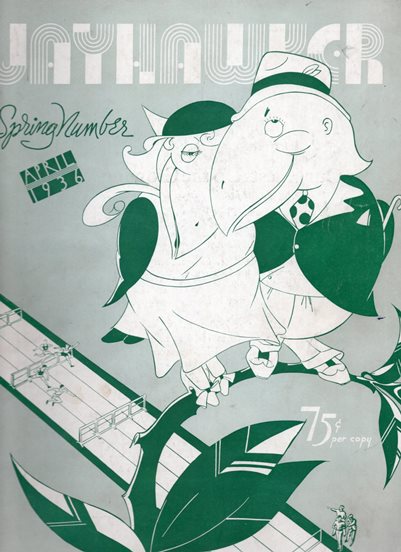
Roller skating, swimming, snowmen, shooting, wrestling, and a toucan that is in no way a jayhawk, their mythical mascot. The name is a combination of two birds — the noisy blue jay, known to rob nests, and the sparrow hawk, a stealthy hunter.
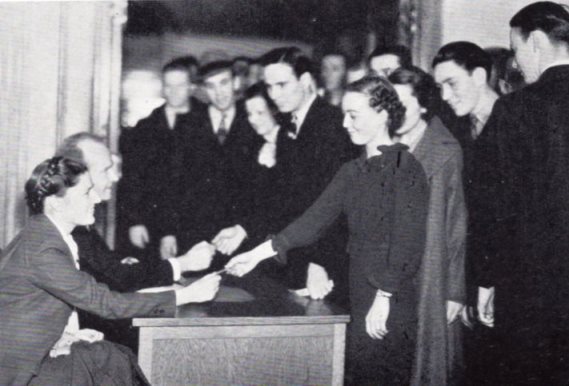
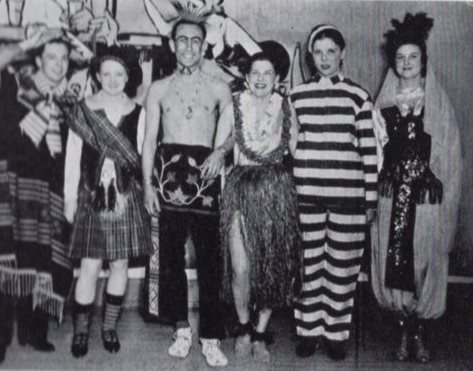
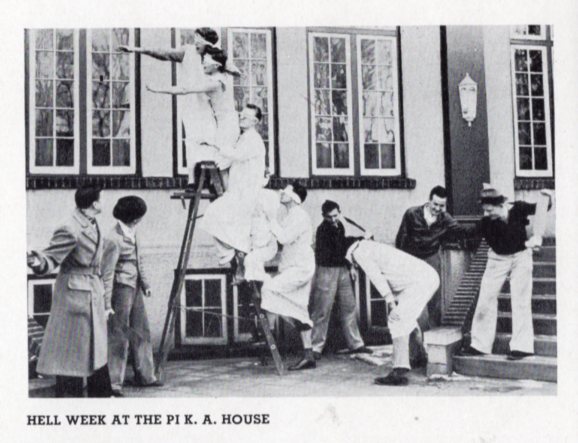
The typical hazing took place.
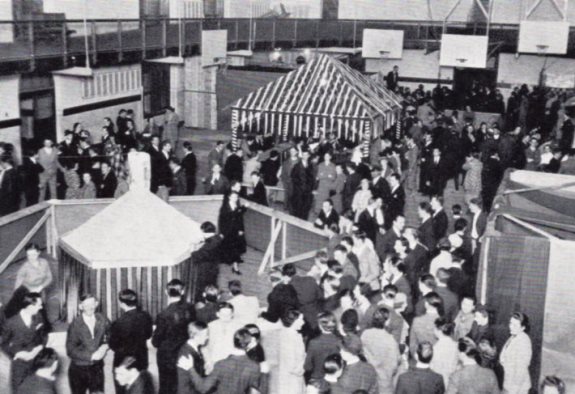
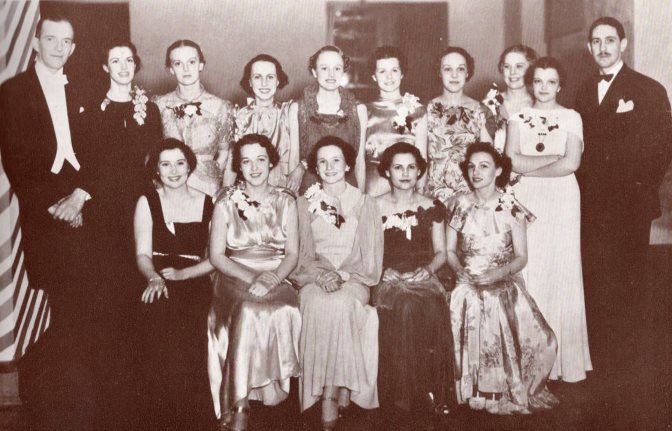
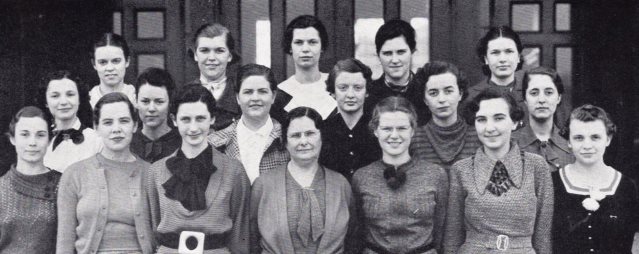
The ladies of the YWCA posed for this portrait.
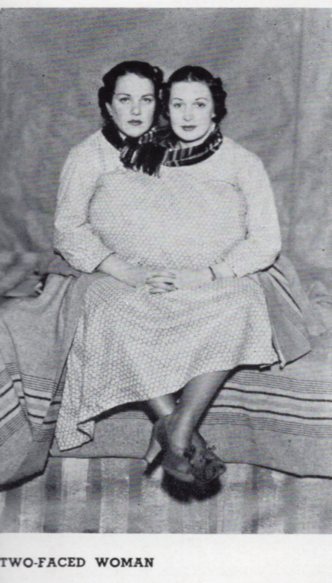
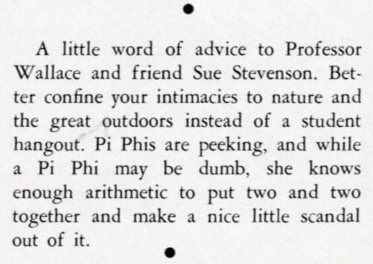
I found this an odd item to place in a university magazine. What say you?
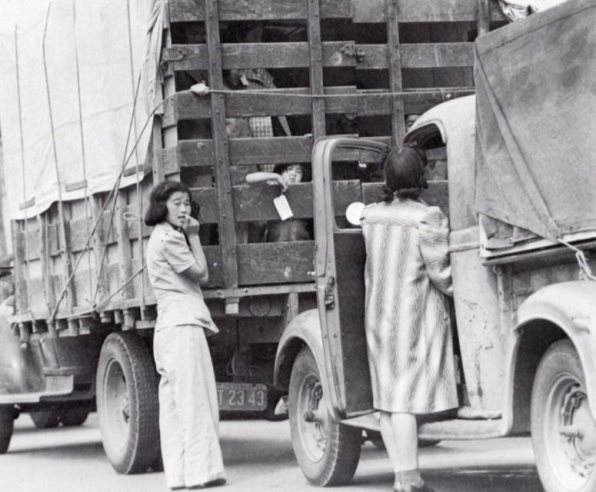
Panic and fear of a Japanese invasion led to the rounding up and internment of Japanese-Americans during WWII per Executive Order 9066. This woman’s body language in Redondo Beach seems to show some panic and fear as well. Both Canada and Mexico followed suit shortly thereafter.
This shot of First Lady Eleanor Roosevelt and Dillon S. Myer, director of the War Relocation Authority, seems to imply no resentment on the part of those who were relocated to Gila River Relocation Center in Rivers, Arizona. Can we leave soon please?
Per http://www.history.com, about 117,000 people were affected by relocation, with a total of 10 housing camps. Two were located on Indian reservations, despite the protests of tribal councils, who were overruled by the Bureau of Indian Affairs. Snap.
Army-directed evacuations began on March 24. People had six days notice to dispose of their belongings other than what they could carry.
Anyone who was at least 1/16th Japanese was evacuated, including 17,000 children under 10, as well as several thousand elderly and handicapped.
These folks are smiling at Santa Anita, but the crowded conditions betray them. Although they were not met with the horror and atrocity of concentration camps, a cage is still a cage is still a cage, especially since most of the people were American citizens.
Getty Images
The last Japanese internment camp closed in March 1946.
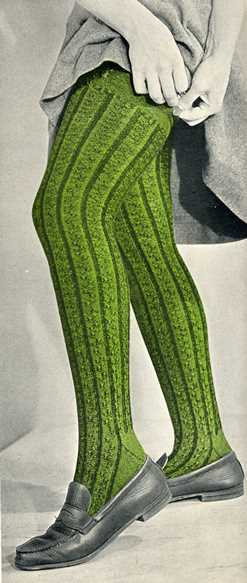
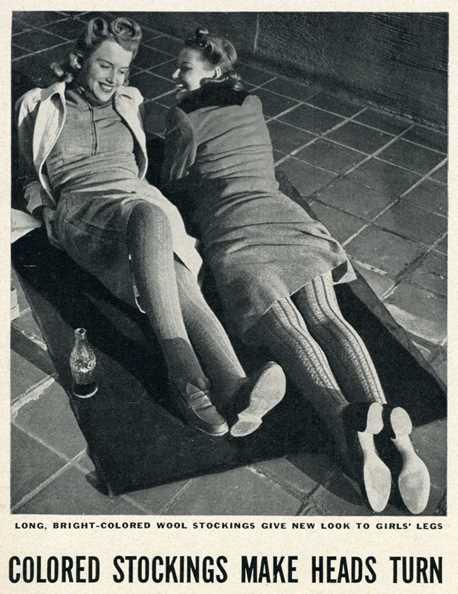
This February 1941 LIFE article states that these colored stockings are head-turners. I agree that these green stockings DO turns head, but not for the right reasons. I don’t know any gal who’d find those a compliment to her ensemble.
They actually look much better in black and white, especially when paired with lovely smiles and (of course) a bottle of Coke. Coke makes everything better.
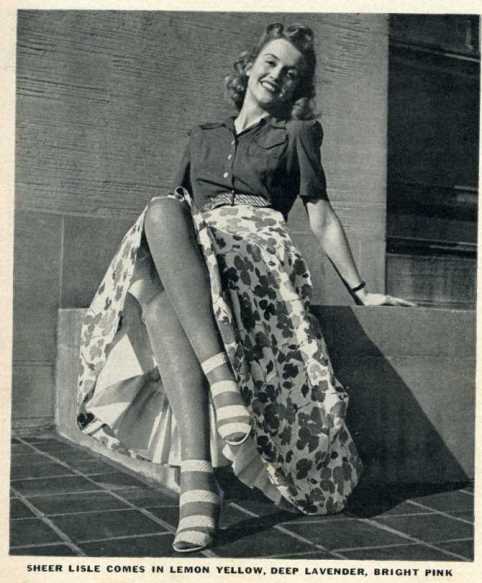
Boy, this gal is a stunner, such a lovely image of spring.
Evidently, stockings are made of lisle, a word with which modern women are not familiar.
lisle. n. 1. a fine, high-twisted and hard-twisted cotton thread, at least two-ply, used for hosiery, gloves, etc.
The only Lyle with which I’m familiar is Waggoner, the actor from “The Carol Burnett Show.” Did you know he’s been married to his wife for 58 years??











 I Don't Get It