Genius Idea: Mashing Grapes With Wine Bottle Itself

NatlGeoJune68001
June 1968

National Geographic describes this Viennese toiler as “an old-timer tamping bunches into a backpack.” Odd-looking backpack. And it’s not a wine bottle, but you knew that. It’s a pige.

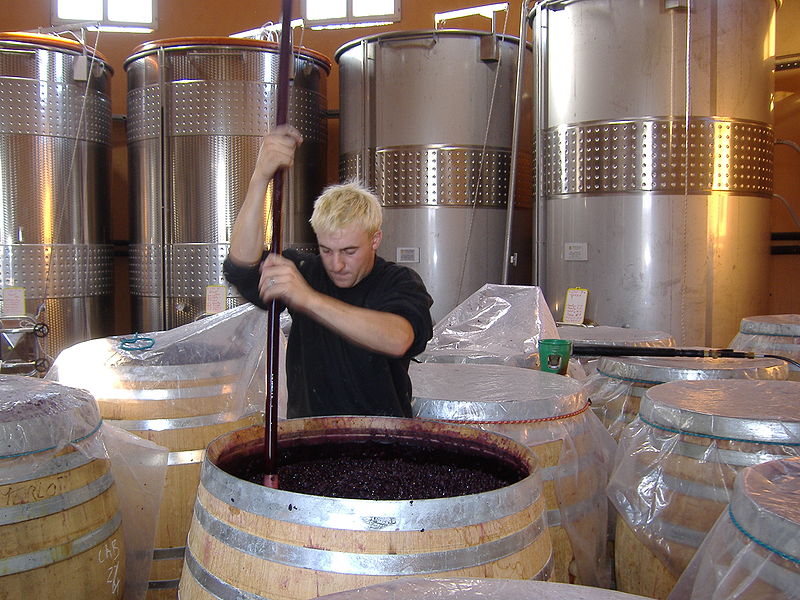
And this here is pigeage.
commons.wikimedia.org

This process is known in French as pigeage and is part of the maceration process that extracts color, flavor and aroma compounds from the grape skins into the wine.–wikimedia

Seems like the same idea as a mortar and pestle, no?

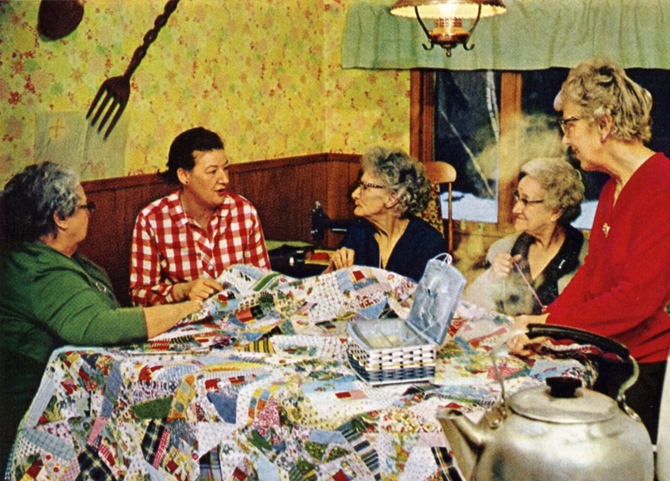
Long Island Crazy Quilt

National Geographic June 1968

The apparent ghost/smoke in the image is actually a humming teakettle, signaling it’s time for these churchwomen to take a teatime break from completing a “crazy quilt” for a summer raffle. Though there be snow on the ground, the quilts will be done in time for warmer weather.

As an aside, I have a sewing kit that my great-grandmother owned, which looks nearly identical to the own above, except that it is pink.

Did your grandmothers quilt? Do you? It’s been making a steady comeback.

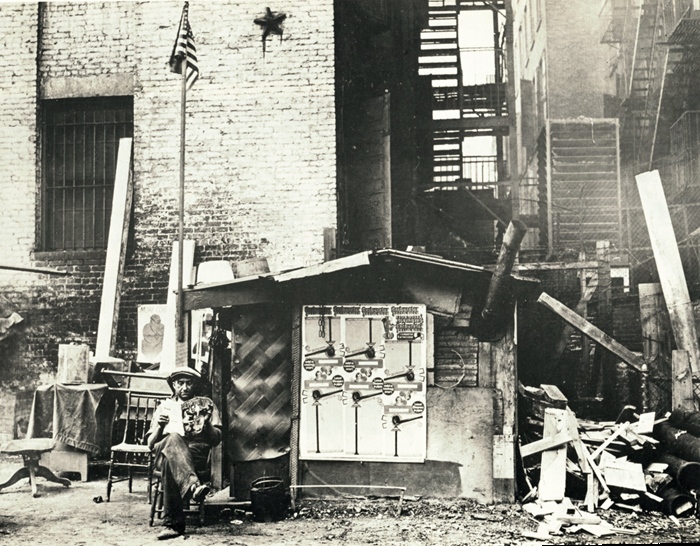
Shantytown Tarpaper Shack

Illustrated History of US
Illustrated History of US – Great Depression

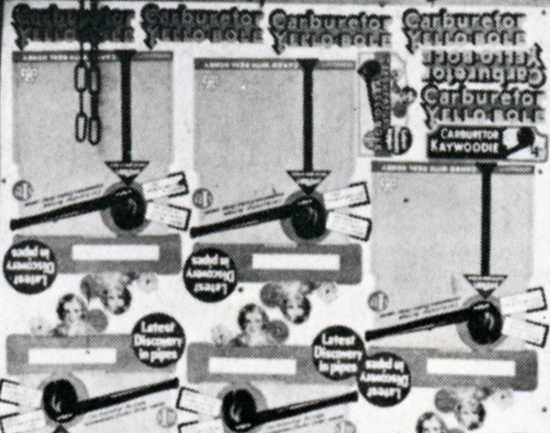
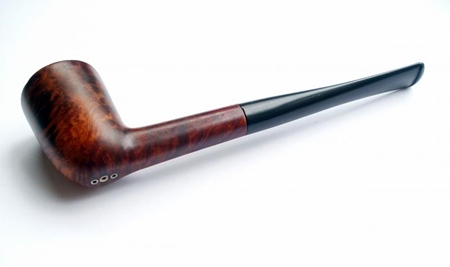
When you zoom in, you can read the ad paper: “Carburetor Yello-Bole,” a brand of pipe.

IllHistOfUS-014

This is one of those pipes.

pipesmagazine.com
pipesmagazine.com

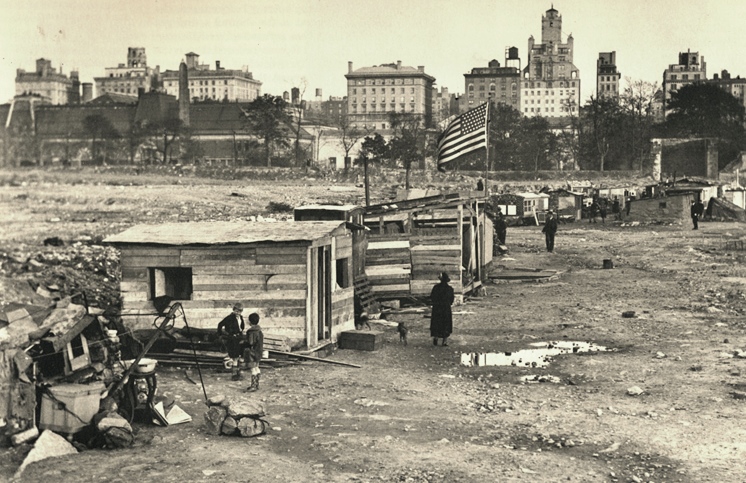
Central Park “Hooverville”

Illustrated History of US-Central Park, NY

“During the Great Depression, which began in 1929 and lasted approximately a decade, shantytowns appeared across the U.S. as unemployed people were evicted from their homes. As the Depression worsened in the 1930s, causing severe hardships for millions of Americans, many looked to the federal government for assistance. When the government failed to provide relief, President Herbert Hoover was blamed for the intolerable economic and social conditions, and the shantytowns that cropped up across the nation, primarily on the outskirts of major cities, became known as Hoovervilles.”–www.history.com

Hats Of Civil War Veterans

Houston Public Library, Houston Met Research Center

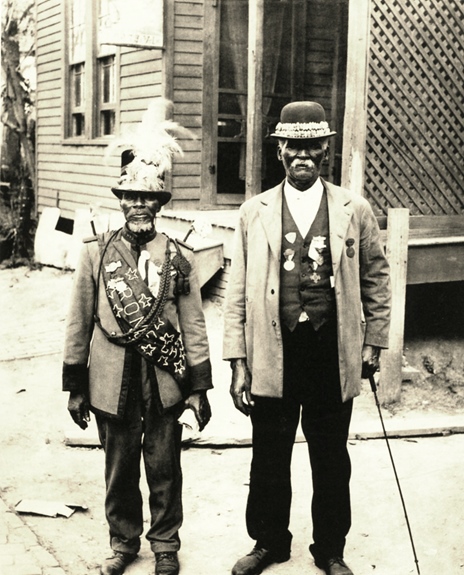
According to the photo, these men were veterans who “fought with their masters” about 50 years prior and won their freedom.