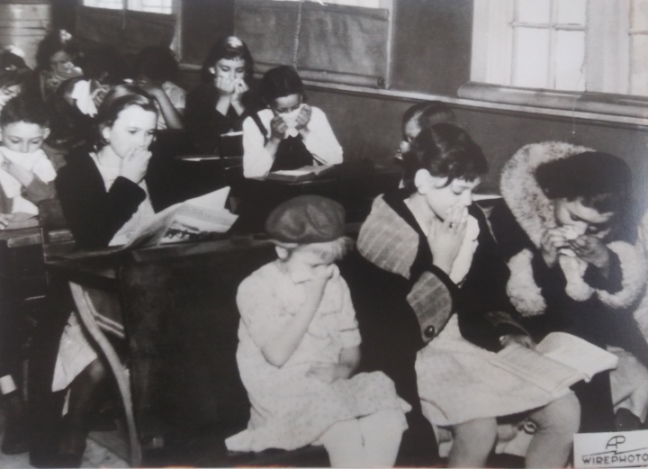
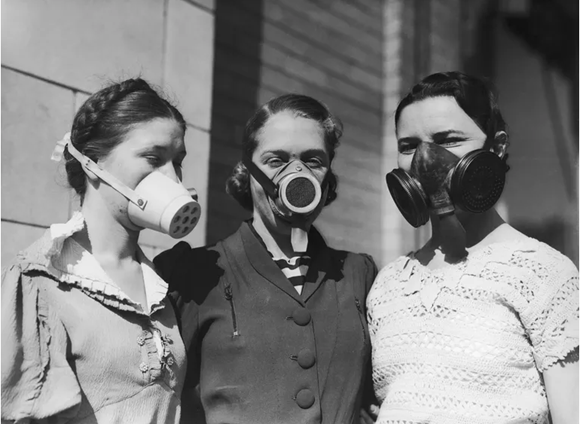
If you’ve frequented this blog, you know I loooooooathe White Diamonds. Having endured the presence of not one, but two Boomer women in my life who sported the scent, I can honestly say that it makes my stomach churn. Colognes are so subjective. In any event, these poor kids wish they were breathing the scent of rank perfume. Instead, they were stuck in an Oklahoma one-room school smack dab in the middle of the Depression, covering their mouths against the dust that had permeated the air and suffocated cattle. Dust pneumonia, aka the brown plague, proved lethal for children and the elderly. Makes the cedar pollen plumes of smoke in my home state seem tame.
Photo by Bert Garai/Keystone/Hulton Archive/Getty Images
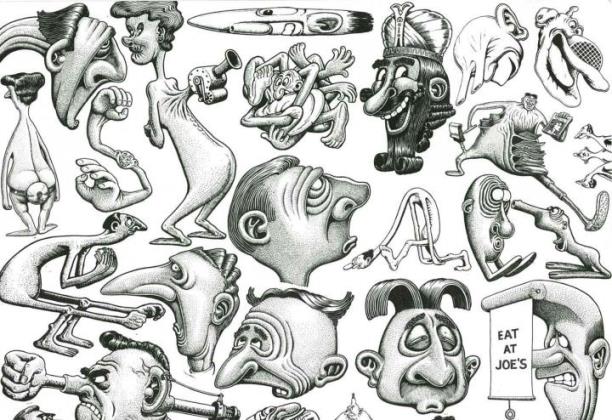
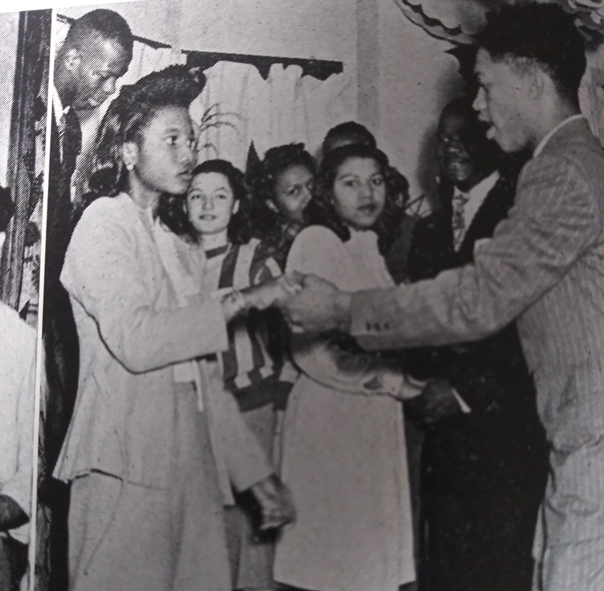
KU Delt pledges dubbed Lena the Hyena as Queen of their Paddle Party in 1946, the same year cartoonist Al Capp Capp introduced Lena as the “ugliest woman in the world.” So hideous that Capp could not bear to render her, he enlisted his readers (in 381 newspapers where his L’il Abner comic strip was seen) to send in their drawing of what they thought Lena looked like. Over 500,000 readers responded. Al Capp persuaded Boris Karloff, Salvador Dali and Frank Sinatra to judge the drawing and the winner was the cartoonist Basil Wolverton. His rendering is what you see above. (https://www.tattooarchive.com)
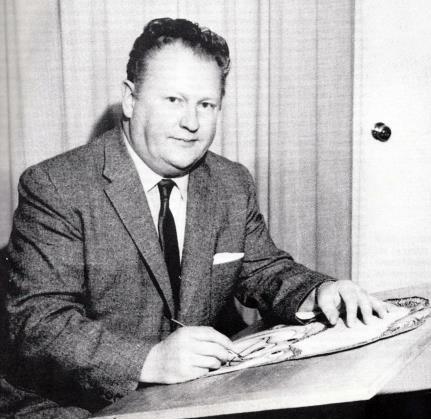
Personally, I think his grotesque work looks like he was on an endless bad acid trip, but it takes all kinds of artists, and to each his own. Below are tame examples of his other renderings and styles.
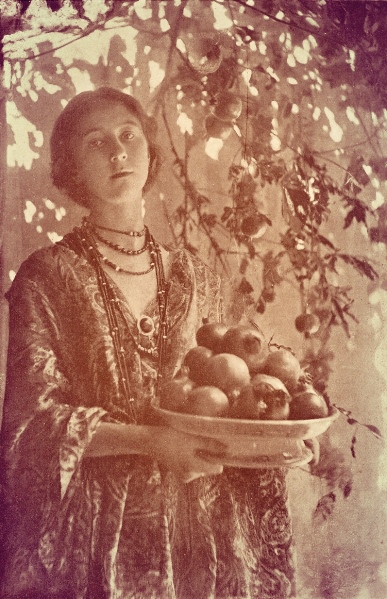
I would lead thee, and bring thee into my mother’s house, who would instruct me: I would cause thee to drink of spiced wine of the juice of my pomegranate. — Song of Solomon 8:2
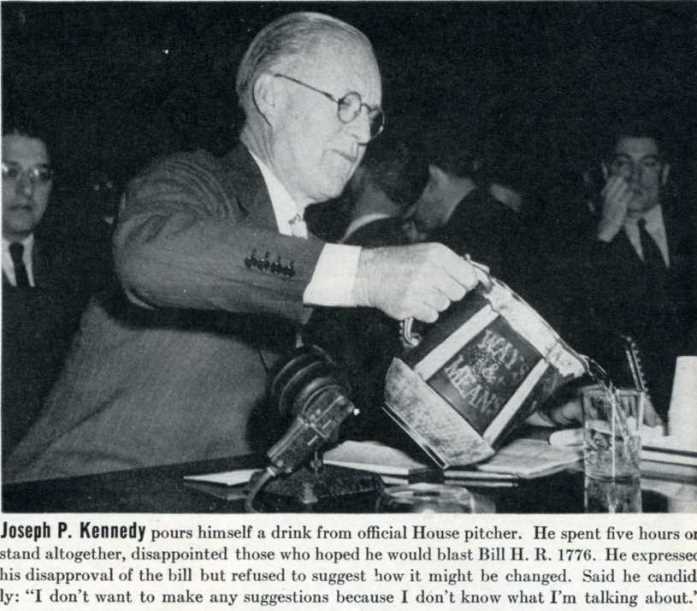
In this image from a February 1941 LIFE, the original Joseph Patrick Kennedy Sr chooses to stay hydrated during a meeting of the House of Representatives. At the time, he was serving as the United States Ambassador to the United Kingdom. During the Battle of Britain in November 1940, a pessimistic Kennedy expressed concern that “Democracy is finished in England,” which annoyed President Roosevelt. Not only would it prove untrue, but it contradicted sentiment by Churchill, who notoriously stated, “Never never never give up.” By the time this picture was published, Kennedy had resigned his position.
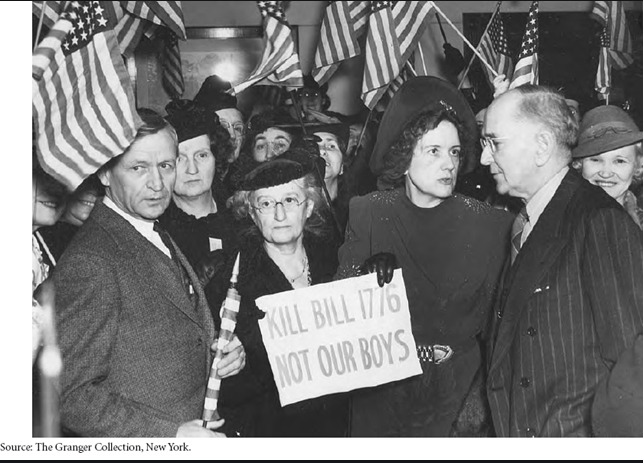
H.R. 1776 was also known as the Lend-Lease Act. Per visitthecapitol.gov:
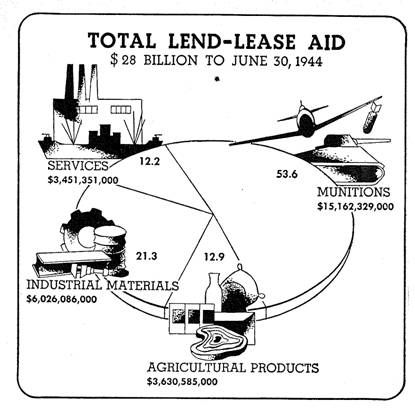
In 1941 Congress passed a bill allowing the president to provide assistance to nations whose defense was considered vital to the security of the United States. Known as the Lend-Lease Act, it became the principal means for providing U.S. aid to key Americans allies, especially Great Britain, during World War II. The act permitted the president to “loan” war materiel such as ammunition, tanks, and airplanes to allies without expectation of repayment. Though the United States would not declare war until December 8, 1941, the Lend-Lease Act effectively ended U.S. neutrality.







 I Don't Get It