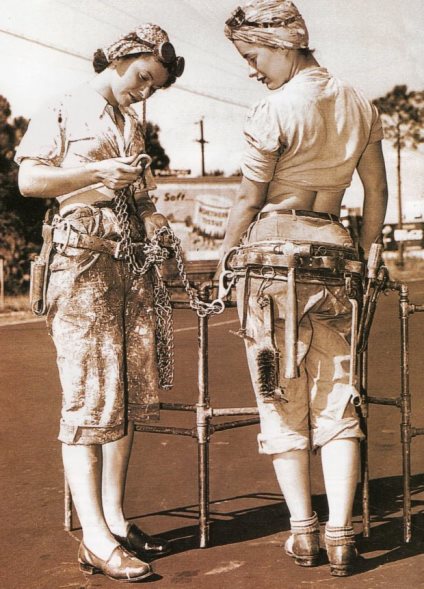
With so many men overseas during WWII, women filled the vacancies in a number of jobs, including painting power poles for Florida Power and Light. In Reminisce: Pictures from the Past, the husband of Virginia Kompe (right) explains how Virginia and her sister, Shirley, spent the winter of late ’44 into early ’45 “raising ladders and hoisting the housings for the bases of the poles. They also served as grunts for the linemen.”
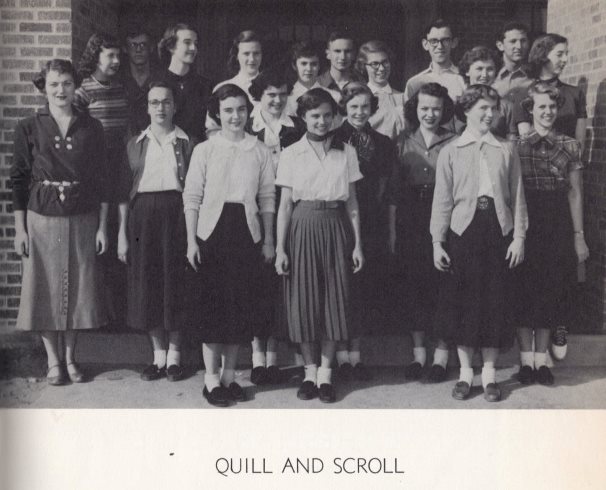
I bet the Quill and Scroll clubs died out about the same time as loafers and bobby socks. In this 1952 Midland High School portrait, it appears that only the teacher was allowed to wear strappy shoes. The girl on the far right seems to have bucked the trend and gone with saddle oxfords.
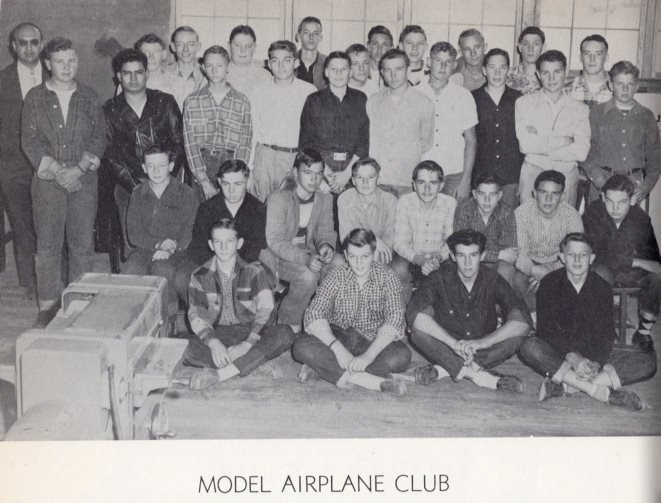
Among the many clubs at this high school was the Model Airplane Club. I doubt that one’s around anymore either.
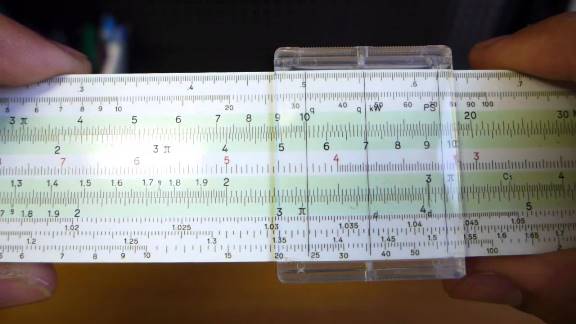
Without a doubt, no one under 40 has ever heard the term “slide rule” or seen one in the wild.
You could use them for math questions before calculators were readily available.
youtube
Have you ever used a slide rule?
How about the Pan American Club? What did they do in there?
I see flags of many nations.
But by far the oddest thing about clubs in this yearbook was the illustration preceding them.
We didn’t have these kind of clubs in my high school. A saloon with dancing ladies?
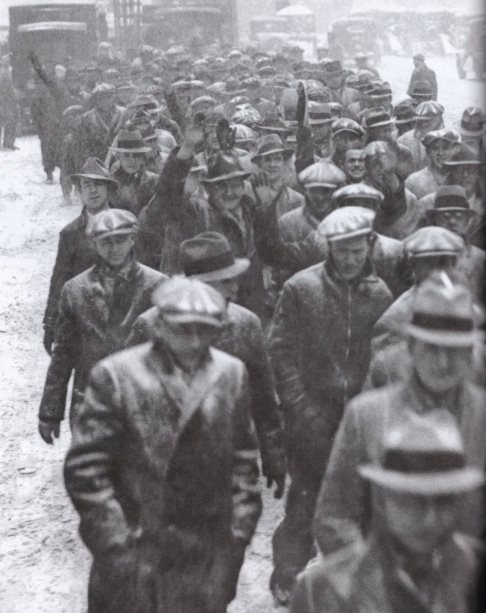
These unemployed men were marching on Boston City Hall in the cold February of 1934. Who knew that in just 8 short years, some could be employed in the armed forces, fighting Axis powers?
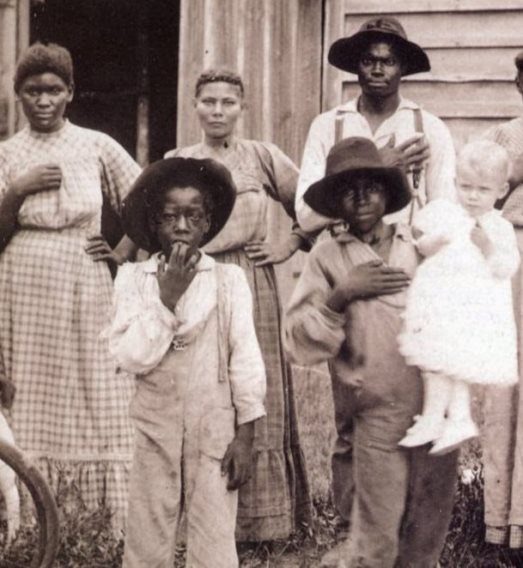
Nope, this isn’t slavery. It’s 1910, nearly half a century after the end of the Civil War, smack dab in the middle of the Jim Crow era (laws enforcing racial segregation in the South between the end of Reconstruction in 1877 and the beginning of the civil rights movement in the 1950s). Though they aren’t physically segregated in this shot (one farmhand even holds the baby), the economic, educational, and emotional implications are there.
This portrait shows a Florida tobacco farmer with his farmhands. I’m not sure as to why most of the farmhands have their hands over their hearts, pledging allegiance style, but you can see that the whole family is included, from the son to the baby to the dog.
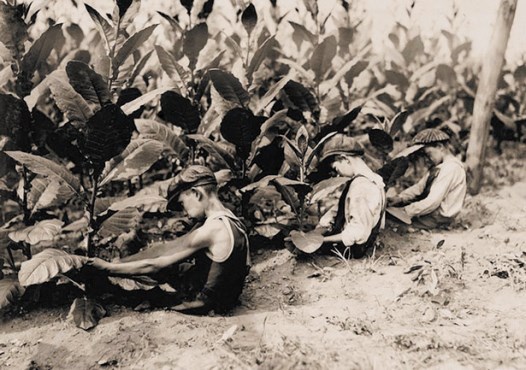
As you can see, tobacco farming doesn’t look too fun.
These children are topping (removing the budding part of the tobacco plant which will, if not removed, flower and produce seeds) and suckering (controlling sucker growth by removing the budding part of the tobacco plant which would otherwise flower and produce seeds) tobacco plants much further north in Buckland, Connecticut, about the same time as the earlier image was taken. Grueling indeed.
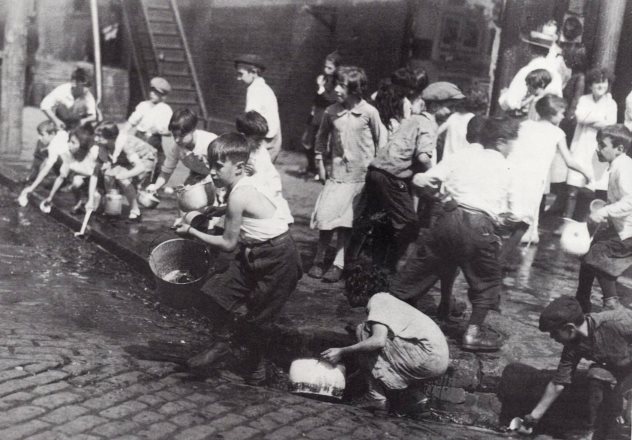
I don’t know what’s more disturbing; that federal agents dumped barrels of wine into the gutter, or that neighborhood kids are frantically trying to salvage it. I’ve never been a believer in the five-second rule. Once an item makes contact with filth, it is instantly defiled. And no amount of assuring me that “alcohol kills the germs” would convince me. But that’s 1926 for you.
In the next image, federal agents are actively pouring whiskey down a sewer, per the 18th Amendment, passed 99 years ago, come Wednesday. Such a waste.
Corbis-BettmannThe Century by Jennings and Brewster
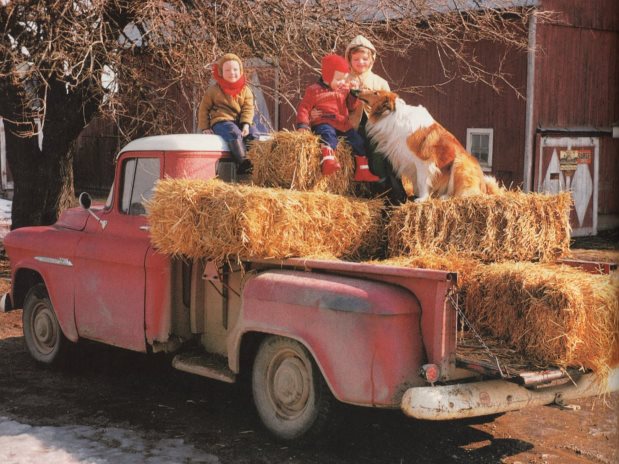
All aboard Grandpa’s 1955 Chevy pickup for Greg, Kevin, and Paula, joined by Rex atop bales of hay. Walter and Barbara Mohr’s family farm near Millington, Michigan provided many great photo ops throughout the 1960s.
Girls didn’t have anything to do with chemistry back in 1940; they were busy using typewriters, at least according to Junior Scholastic magazine.
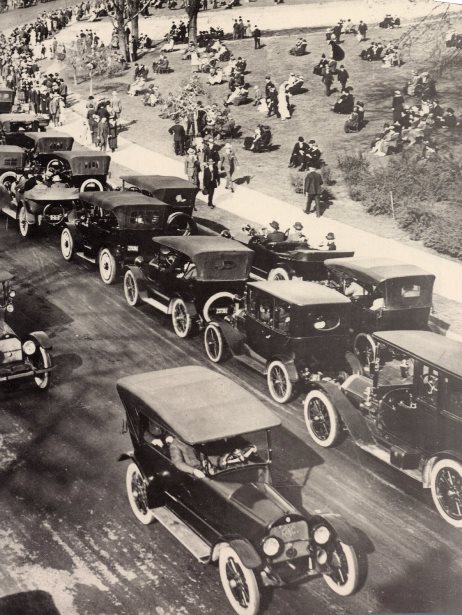
With no TV to entertain young people, they had to settle for pictures in the paper to show them what they missed–like the Macy’s Thanksgiving Day Parade.
Does he look familiar to you?
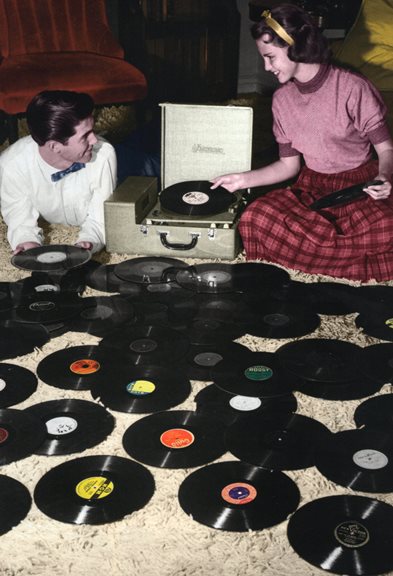
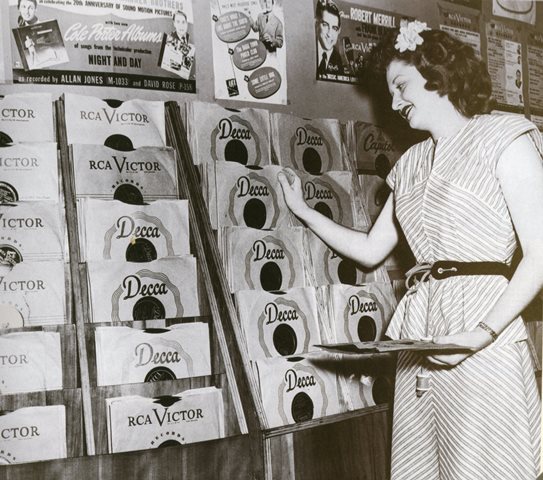
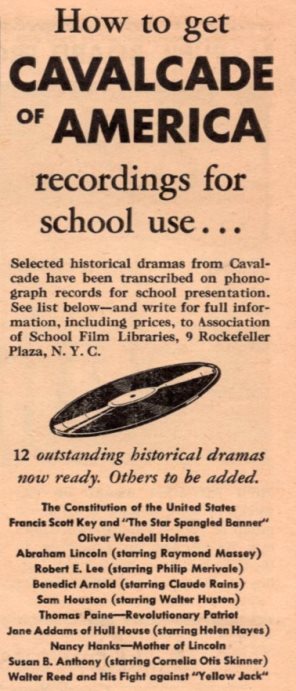
While historical dramas would put today’s teens into a coma, folks actually ordered albums to listen to, over and over, till they shoved some history in their noggins.
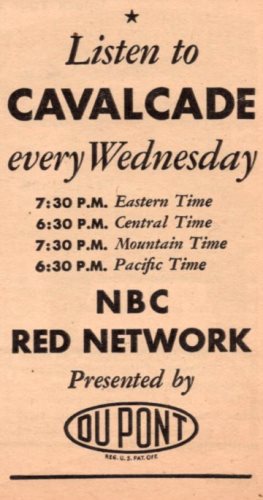
Or you could wait till Wednesday and listen to the radio.
And in the meantime, you could learn some simply atrocious jokes.
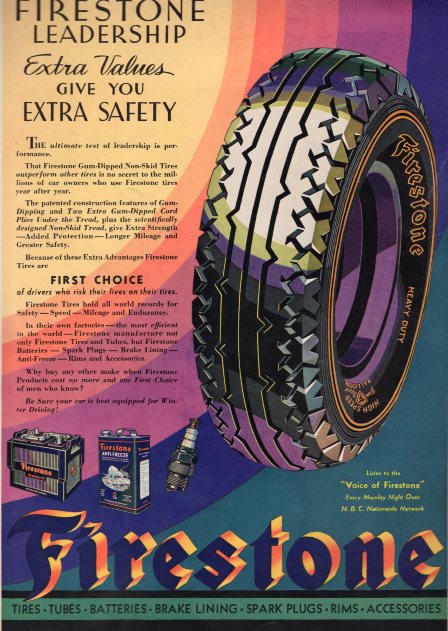
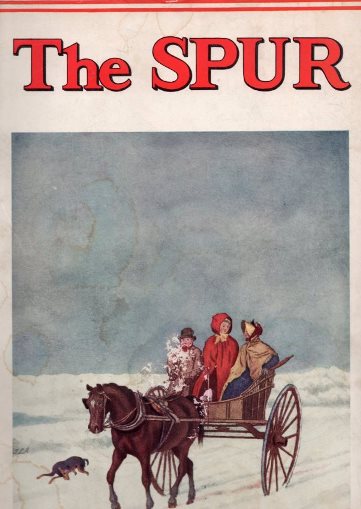
You guys, I have this January 1933 Spur magazine, and it’s only black and white on the inside. But the cover has color, and it’s a-MA-zing! Check out this Firestone ad on the inside cover. It hasn’t faded a smidge.
The Spur was a fancy-pants magazine that cost a whopping 50 cents in 1933. The horsedrawn carriage was meant to be quaint. But inside, they advertised all kinds of worldly vacations for those who still had means.
The colors on the inside back cover are just as amazing, even 86 years later.
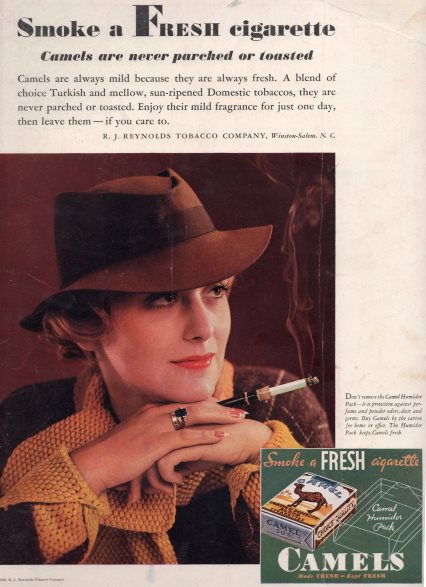
The back cover, to me, looks like a 1970s ad that’s trying to look like the 30s, but this really WAS the 30s. It doesn’t state the actress, but it looks like Joan Crawford to me. That hat! Those sleeves! The ring! The cigarette holder!













 I Don't Get It