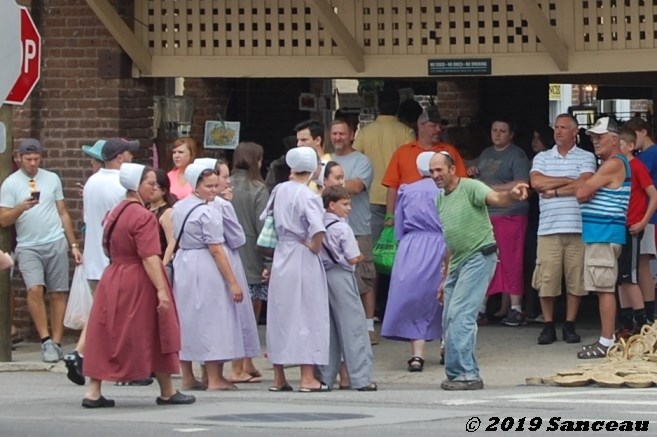
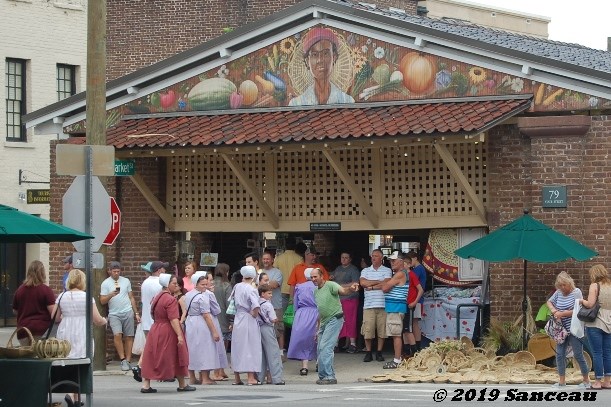

Here it is not even autumn, and he’s already got the decorations on the lawn.
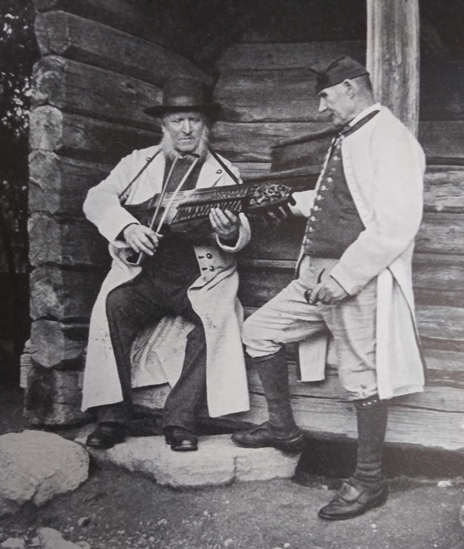
Next, he starts picking out gifts for the grandkids, like this Swedish key harp.
And he can’t put the gifts under the tree unless the tree is dressed to the hilt. I hope it doesn’t block their plasma TV.

Before you know it, he’ll be giving out rides in “one-horse” open sleighs.
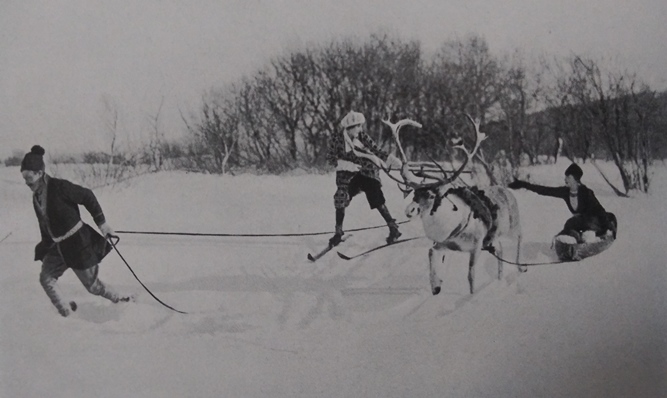
Except that’s not a horse! That’s an actual reindeer!





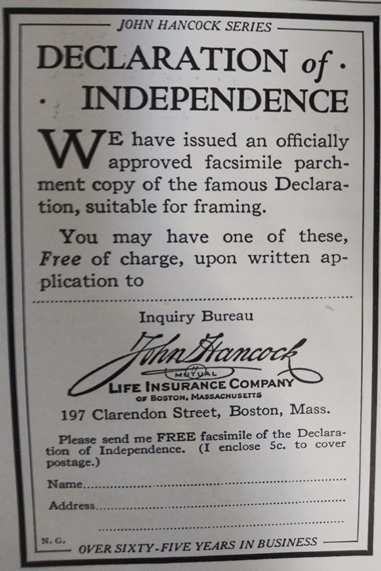
And look! You could even get a FREE copy of the Declaration sent to you! No handling fee; just postage.

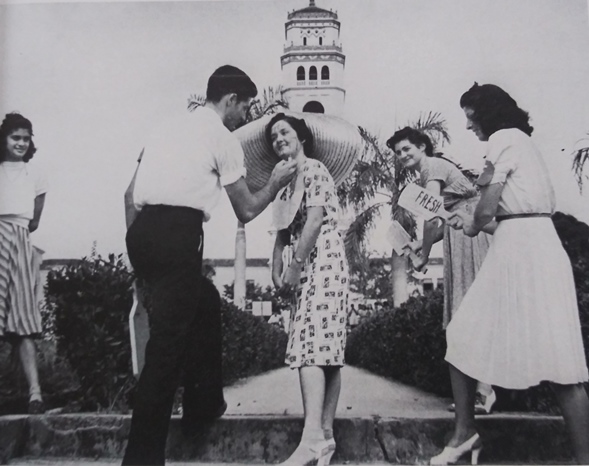
Setting: First day of school, fall 1939, at the University of Puerto Rico in Rio Piedras.
Plot: Same old song and dance. Upperclassmen defile face of newbie frosh. Onlookers smile. Well-dressed people spank each other with paddles.
Y’all, I just don’t get it. I don’t get hazing. I didn’t do the Greek scene. I would never have allowed myself to be humiliated like that. But golly, it’s in every single one of my yearbooks. The tradition continues!
People have always been cruel, since the first brothers to exist, Cain and Abel, became murderer and murderee. Honestly, murderee rolls off the tongue better than victim. Why don’t we say that instead? Anyhoo, the point is that violence always has been and always will be, and praying for world peace (which Andie McDowell’s foolish character did in Scrooged) is like trying to boil the ocean, as they say.

Fun fact to temper bitterness: That looming tower is the FDR Tower, which contains a carillon of 25 bells. What’s a carillon? A set of bells.
The tower still stands today (unless Dorian takes it out).
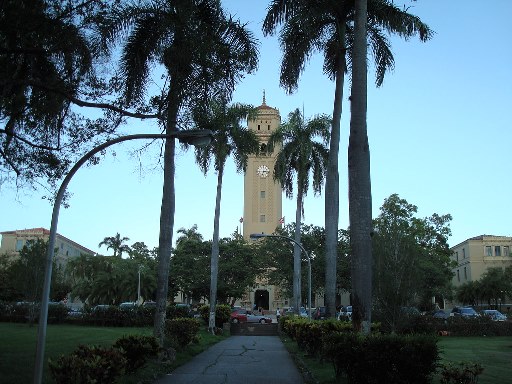
It commemorates then-president Franklin D. Roosevelt, and will remain named after him until future generations decide they don’t agree with something he did–at which point, it will either be renamed in honor of a more PC and palatable figure–or toppled altogether in the name of retribution.



Sure, it looks ragtag and uncomfortable. But this 1939 stout shelter provided great protection from hurricane winds. Located near Caguas, the corrugated iron roof was secured with wire and crossed railroad ties to anchor it down.

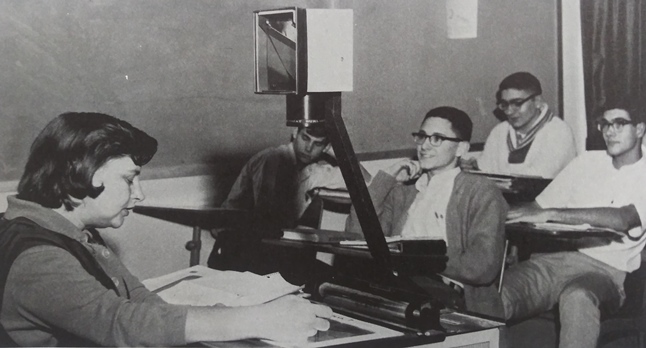
Ah, 1965. Overhead projectors and horn-rimmed (NOT “horn rim”) glasses graced every classroom. And even then, the rims were not made of actual horn or tortoiseshell, but of plastic. All the better to see you with, my dear.
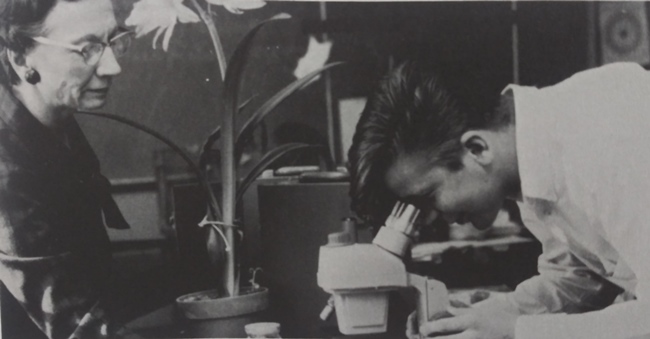
Some technology was old-school, like this microscope being used by a lad with a healthy head of Elvisian locks.
But new advancements had been made for this first year of German language lab. Bonus points if you can tell me what all those little chess-piece-looking things are.

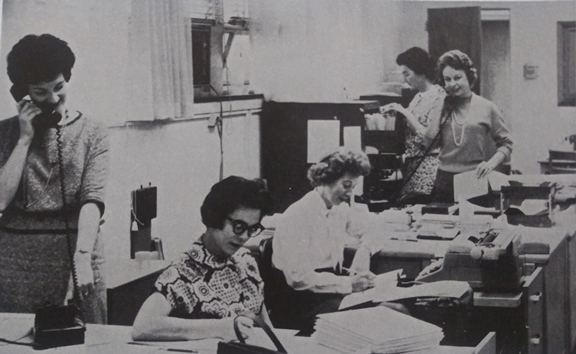
Corded phones were still the only choice for office secretaries.
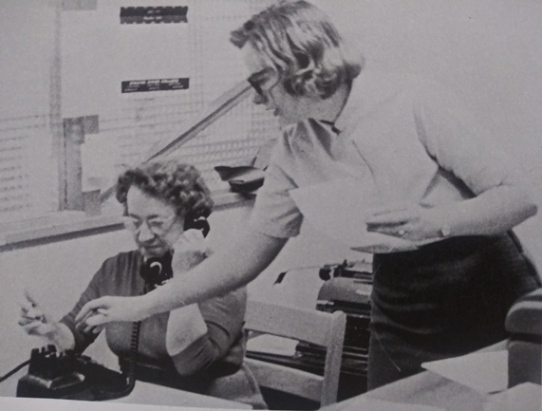
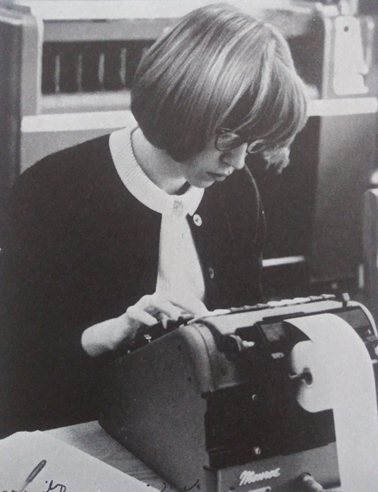
And there was this thing for numbers. Watch those bangs, sister.
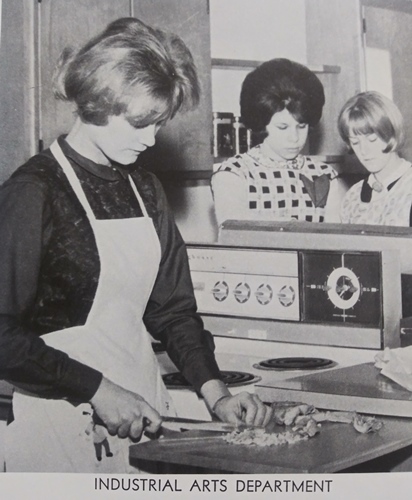
Home Ec was called “industrial arts” at this particular high school.
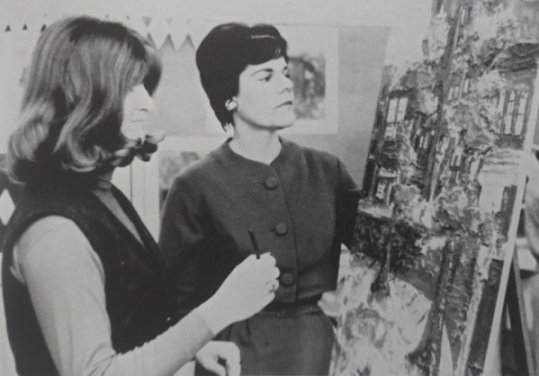
While what we term regular “art” was still funded and practiced. Swell job, Peg!
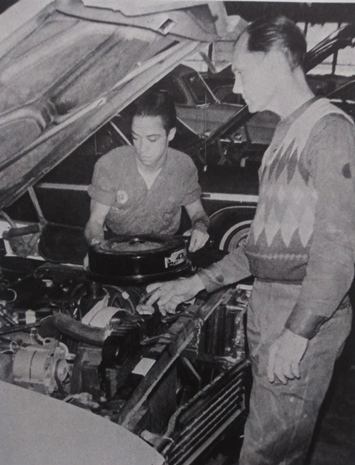
Shop was called “Distributive Education.”
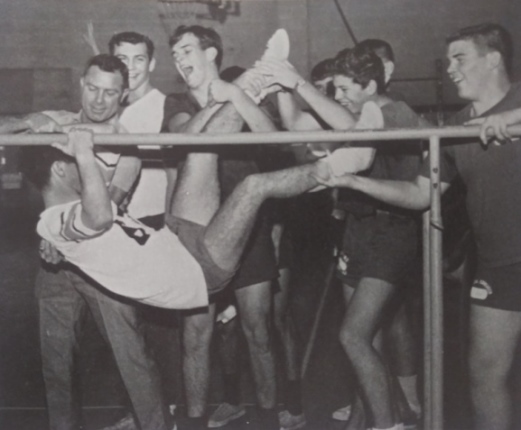
This was called “horseplay” and not cause for litigation.
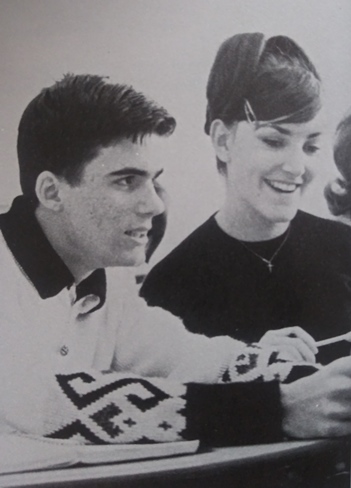
Flirting was alive and well.
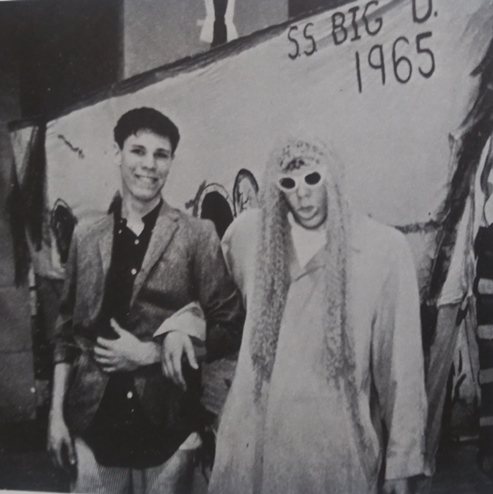
And teen silliness prevailed at the Junior-Senior Dance. What a lovely pair!
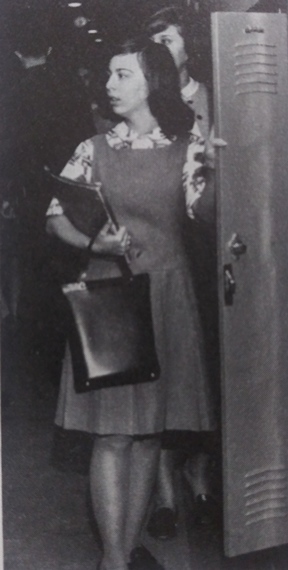
Now if I could only remember my locker combination…

Sorry, Yaya. No fist bumps today. Hope that black isn’t absorbing all the heat from the sun. She looks happy enough. Even her left eyebrow is smiling. Somehow.
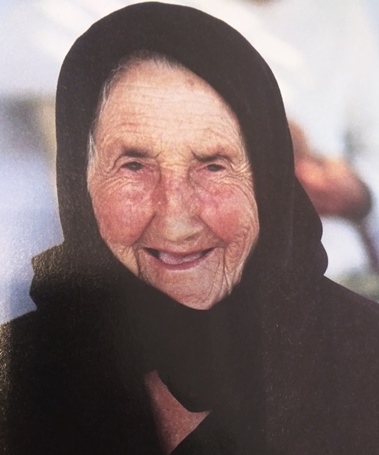
And you would, too, if you lived in Santorini, the croissant-shaped Greek island. Why, just look at it!

Without my readers (not YOU GUYS–my specs), the blurry name above suggests bad-a$$ longhorns, the mascot of my alma mater. But using my prescription readers, I can sound it out as it should be. Bal-das-SA-reh. Say it with your fingers pinched together like an Italian (but say “eye-talian” because it’s more fun). Today, we learn about the funny-named Venetian architect, Baldassare Longhena.
Bald bottoms aside, Baldassare is actually Italian for Balthazar. And Longhena certainly wasn’t the first famous Balthazar. Despite the fact that the Gospel of Matthew nowhere names the Magi (or even says there were three), tradition suggests that “we three kings of Orient are” answered to Caspar, Melchior, and Balthazar. The latter is referred to as the King of Arabia and the one who offered the ever-questionable myrrh, a resin which most of us have lived our lives without. Here he is depicted mid-offer.
 The Adoration…
View original post 376 more words



 I Don't Get It