For patients without health insurance, a total hip replacement usually will cost between $31,839 and $44,816, with an average cost of $39,299, according to Blue Cross Blue Shield of North Carolina. (http://health.costhelper.com/).
For patients without health insurance, a total hip replacement usually will cost between $31,839 and $44,816, with an average cost of $39,299, according to Blue Cross Blue Shield of North Carolina. (http://health.costhelper.com/).


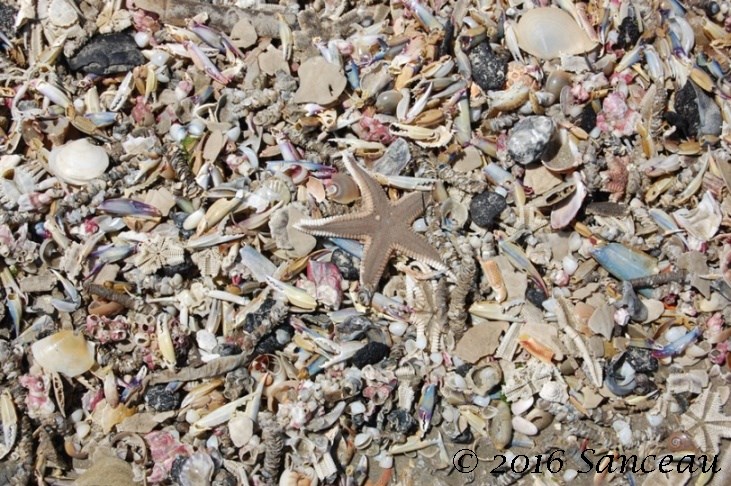
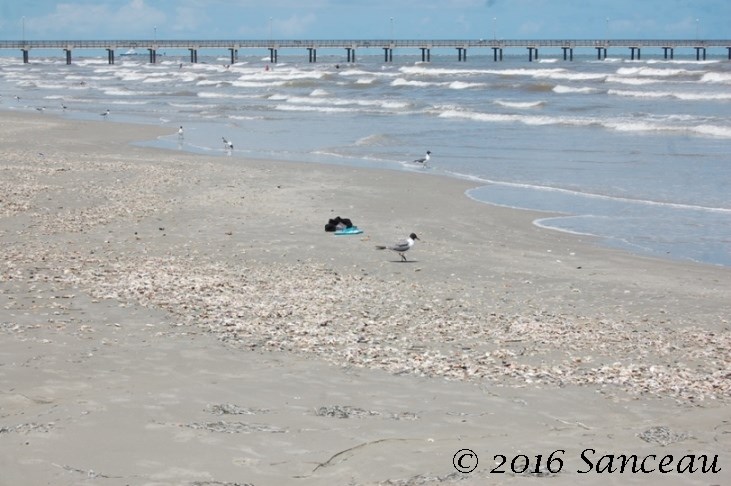
It looks like this image would make a great puzzle, but it was actually pretty odd to see all this debris washed up on the shoreline in Rockport. Most of the shells were broken, but as you can see, this starfish was still in tact. We didn’t take it, as it needed to dry out. It was wet and squishy. We actually left it all just as it was.
I’d never seen so many things washed up ashore like this. See the leopard print?

However, it didn’t seem to bother these folks.
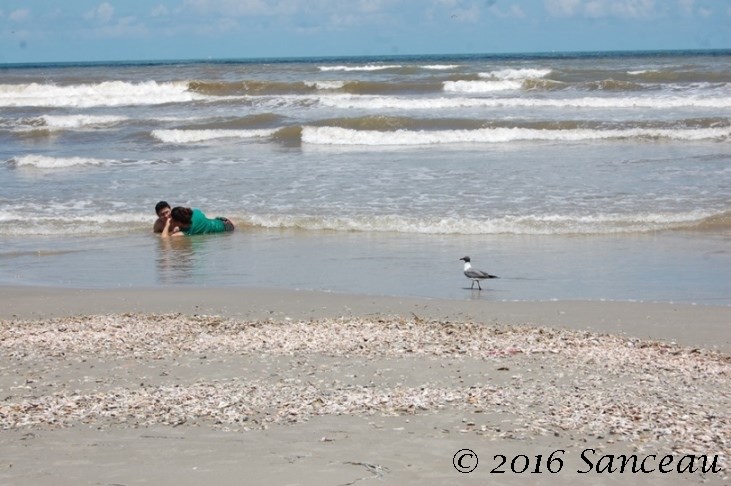
Seriously, who does that? Do you ever just lie, fully clothed on the beach like that, and chitty-chat with the sand and surf riding into your nether regions? People are strange.
Shells and crabs littered the entire area.

And there was this little guy.

Wonder how long it will stay that way?


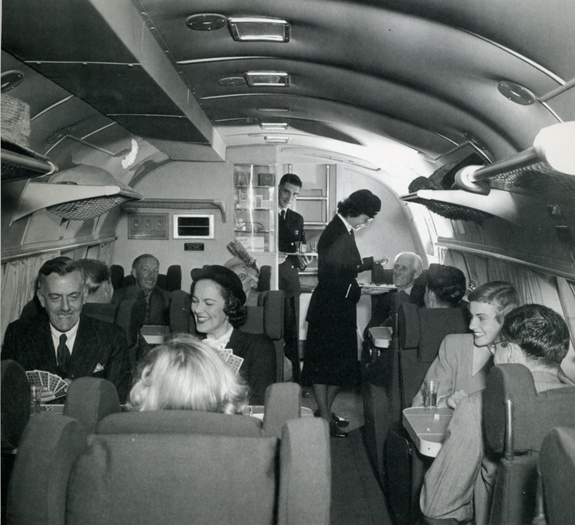
These lucky fliers had the good fortune to be alive during the height of plane travelin’ glory in 1950. Can you imagine being able to extend the length of your arm above you, and not smashing into the overhead compartment?
The truth is–this is a Ted Solent flying boat, which made many Australia-England runs. They could carry 45 passengers in seven lounges on two decks. Doesn’t it look dreamy?
Below is a Short Empire flying boat, which made many trips prior to WWII. Have you ever been on a flying boat or known anyone who has?

For more images of flying boats, see my earlier post.

Ruby, Elsie, and Alison show their competitive skills in Wandin (a suburb of Melbourne) in 1957, representing for the Collingwood branch of the (before political correctness took the accuracy out of terms) Old Age and Invalid Pensioners’ Association. Way to stay active!
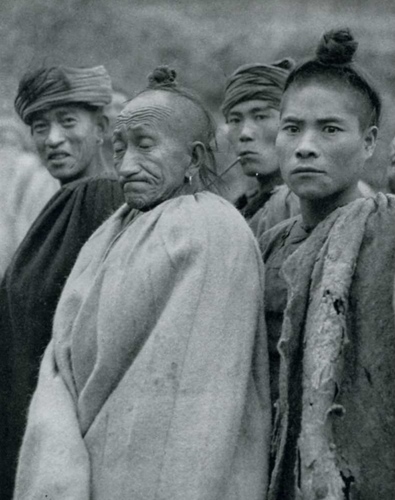

Americans were searching for missing flyers and presented gifts to the wife of a Lolo chieftain.
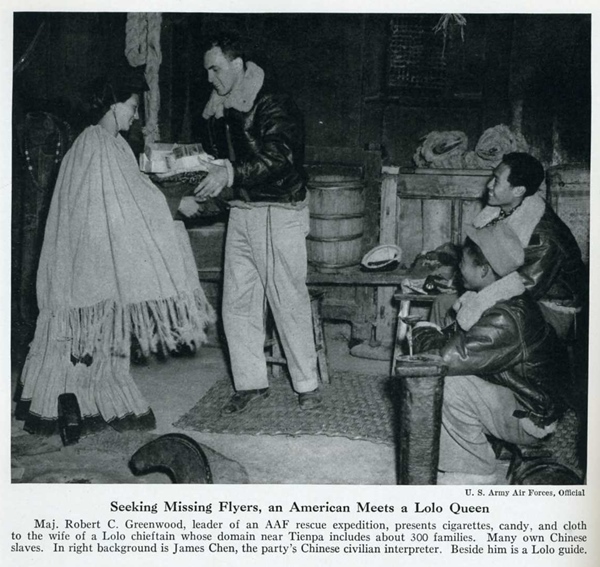
Yes, that does say the Lolos owned Chinese slaves. Hmm, slavery in 1947, and it still goes on today. No comment.
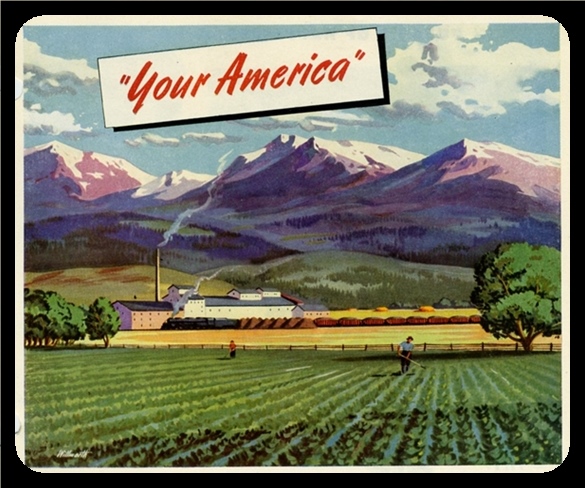

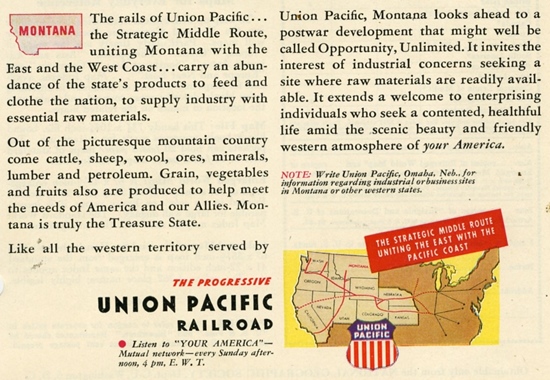
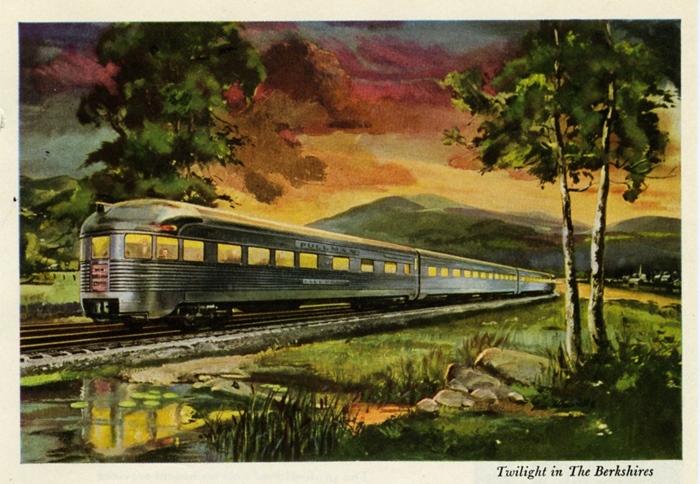
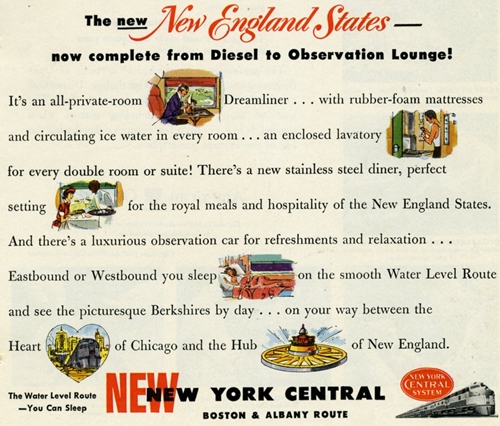
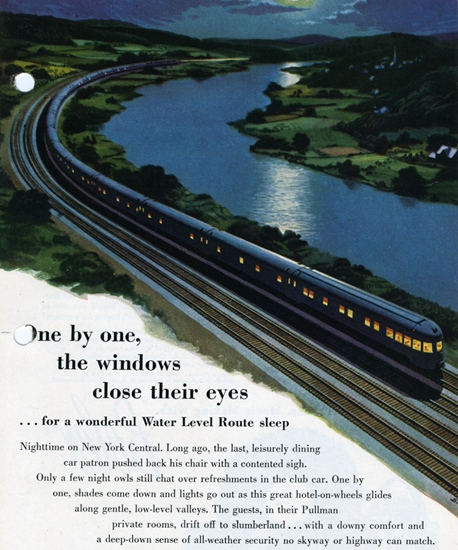
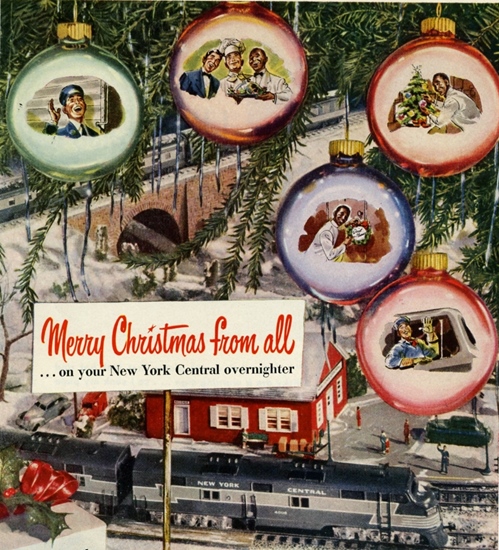
Yesterday we profiled New York Central railroad advertising, and today we focus on the Union Pacific. Again, these are all WWII era, as evidenced by the optimism above: “After victory…”
Montana shows us stout cows and wide open spaces.

The Nebraska one has an interesting choice of colors for the sky. 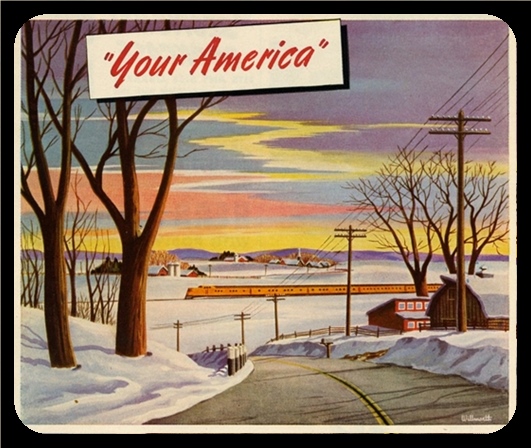

California has ordered groves and fresh citrus. 

What a great ad campaign. I can’t decide which of the four is my favorite. Which do you enjoy?
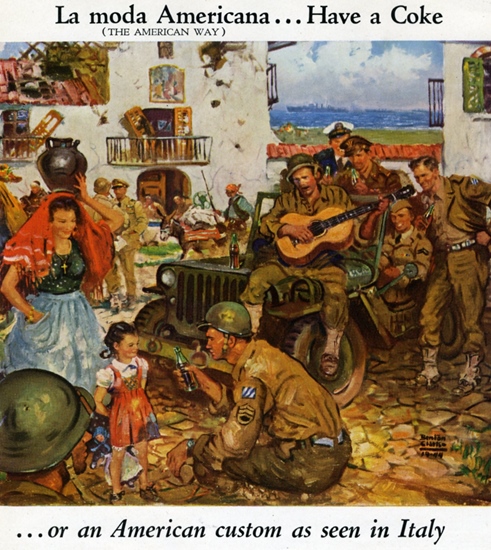



Save and Sacrifice
 A large part of the war propaganda effort, demanded sacrifice in terms of daily activities – saving left over waste fats for use in explosives, saving tin cans for metal to be recycled into military material, eating leftovers, recycling paper, growing vegetables and canning them for later home use, saving gasoline by driving cars slower and less often. The national speed limit was lowered to 35 mph! … All Americans needed to share in the burdens of shortages equally. Not to share in sacrifices for Victory was an unpatriotic act, and often was reported. (http://www.intheirwords.org)

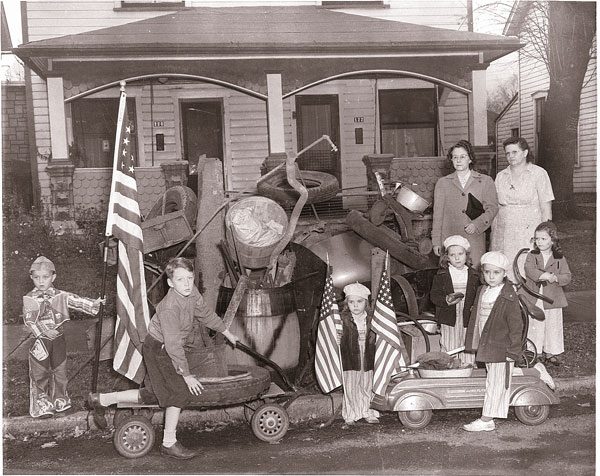
Families collected scrap metal.
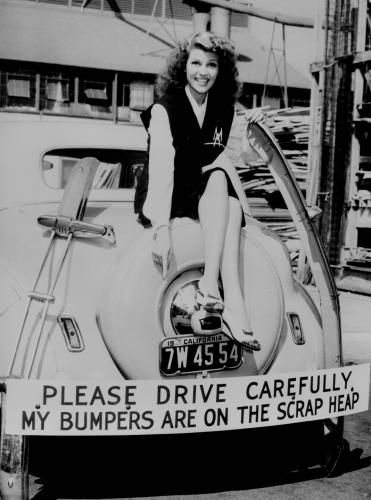
Even stars like Rita Hayworth lended their support!
 I Don't Get It