What Wearing Two Belts Feels Like

One word: exhilarating.
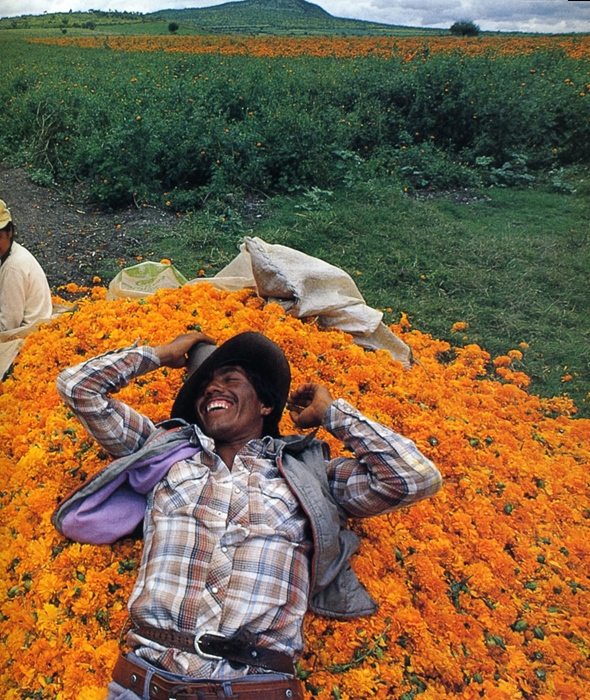
photo by Danny Lehman, "Then and Now"
photo by Danny Lehman, “Then and Now”

Perhaps I should have titled this Splendor in the Marigolds. I don’t think I’ve felt that level of pure bliss since the 1900s, if ever. Perhaps it’s the Nick Cannon tilt of his hat that’s got him smiling so.
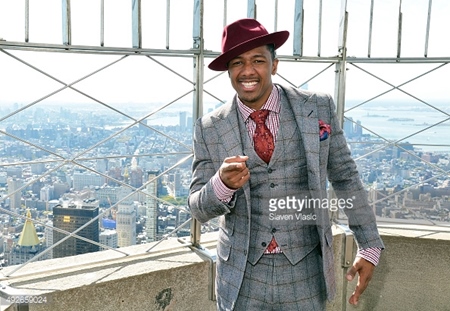
NickCannon

Clearly they both like hats and grey vests.

Actually, the joyful prostrate man is a harvester in Bajio, Mexico in 1990, presumably done with a day’s marigold harvesting. As pretty as they look, the marigolds were solely used in chicken feed.

It’s true. Per www.fresheggsdaily.com, marigolds, as well as other plants that contain the pigment xanthophyll, are routinely added to commercial layer feed to artificially boost the color of egg yolks of the chickens eating the feed…According to a report from PoultryDVM, the entire Mexican marigold plant has been used to treat respiratory illnesses and eye issues- and feeding up to 3 grams of the dried petals to the chickens resulted in improved egg yolk color.

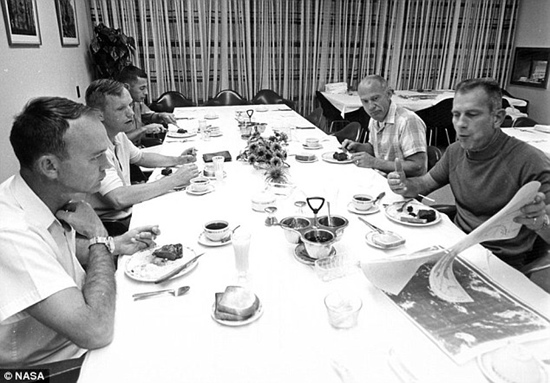
Now don’t go and discount egg yolk color. Do you think Neil Armstrong could have gotten to the moon if he hadn’t eaten bright yellow egg yolks for his last meal on Earth?

pinterest
pinterest

Actually, that’s fried chicken and peaches. The Reddit image showed Armstrong having his “customary late dinner” in March of 1969, according to the caption of the TIME/Life photo. It was stated to be his last meal before the Apollo 11 mission. But it wasn’t his last meal before taking one small step for mankind.

It was steak and eggs–and he ate the meal (mid-left) with the rest of the crew members of the moon mission, not alone with a newspaper.
http://www.dailymail.co.uk/

Oops! I appear to have gone off on a long rabbit trail. Sorry, readers!
http://homeschoollegacy.com/

Starfish And Shells

Rockport (134)

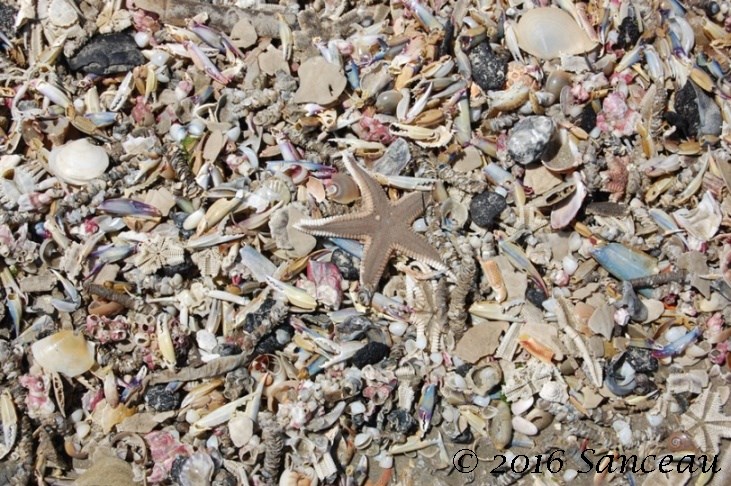
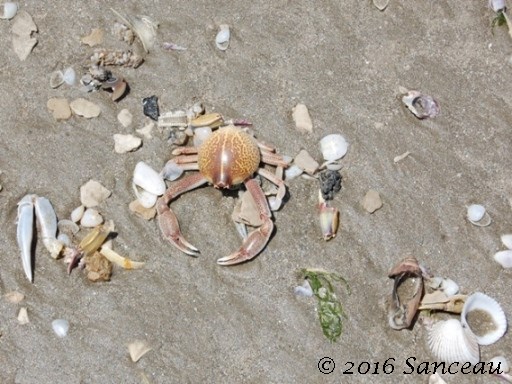
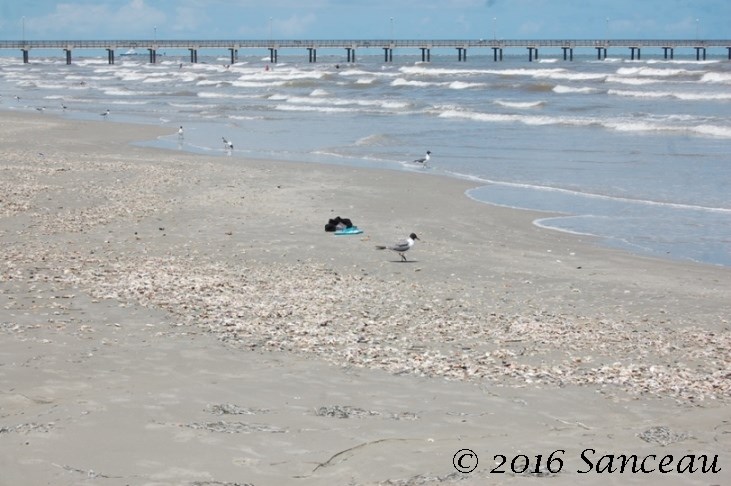
It looks like this image would make a great puzzle, but it was actually pretty odd to see all this debris washed up on the shoreline in Rockport. Most of the shells were broken, but as you can see, this starfish was still in tact. We didn’t take it, as it needed to dry out. It was wet and squishy. We actually left it all just as it was.

I’d never seen so many things washed up ashore like this. See the leopard print?

Rockport (132)

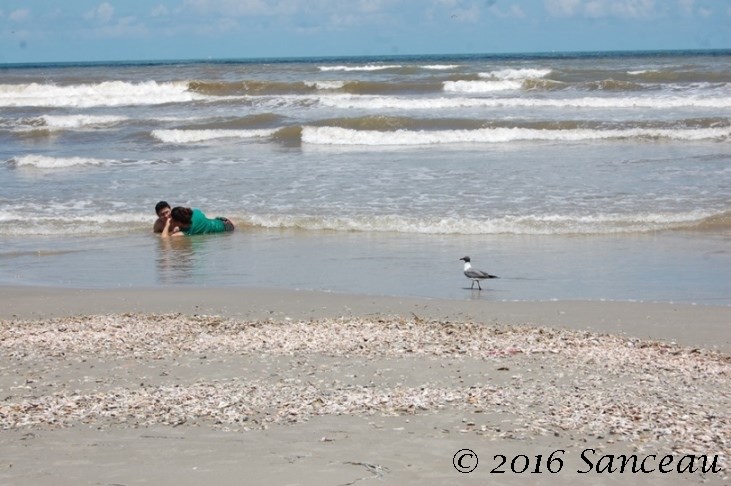
However, it didn’t seem to bother these folks.

Rockport (124)

Seriously, who does that? Do you ever just lie, fully clothed on the beach like that, and chitty-chat with the sand and surf riding into your nether regions? People are strange.

Shells and crabs littered the entire area.

Rockport (127)

And there was this little guy.

Rockport (133)

Wonder how long it will stay that way?

Rockport (145)

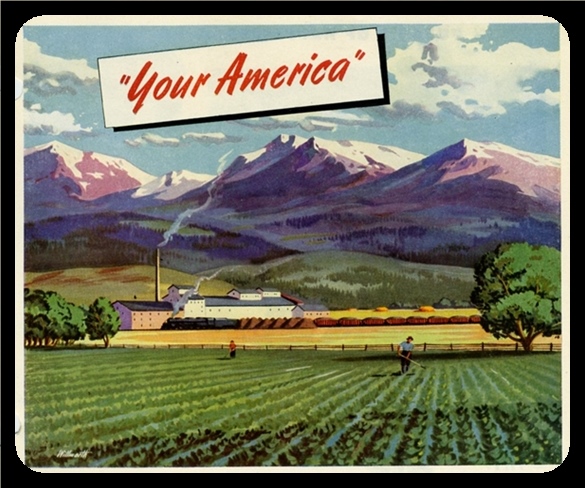
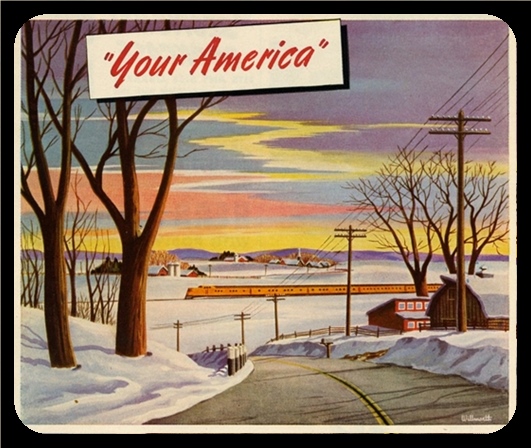
Your America

colorado

UnionPacific (3)

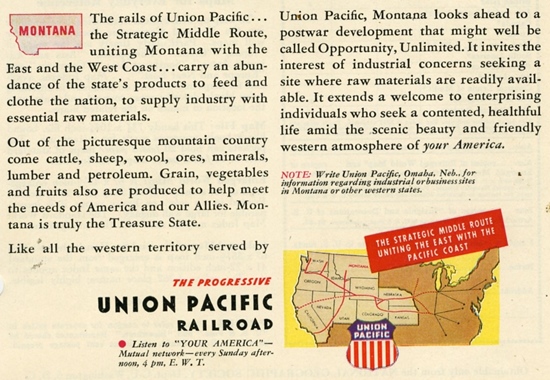
Yesterday we profiled New York Central railroad advertising, and today we focus on the Union Pacific. Again, these are all WWII era, as evidenced by the optimism above: “After victory…”

Montana shows us stout cows and wide open spaces.

Montana UnionPacific (2)

The Nebraska one has an interesting choice of colors for the sky. nebraska UnionPacific (1)

California has ordered groves and fresh citrus. california UnionPacific (4)

What a great ad campaign. I can’t decide which of the four is my favorite. Which do you enjoy?


Genius Idea: Mashing Grapes With Wine Bottle Itself

NatlGeoJune68001
June 1968

National Geographic describes this Viennese toiler as “an old-timer tamping bunches into a backpack.” Odd-looking backpack. And it’s not a wine bottle, but you knew that. It’s a pige.

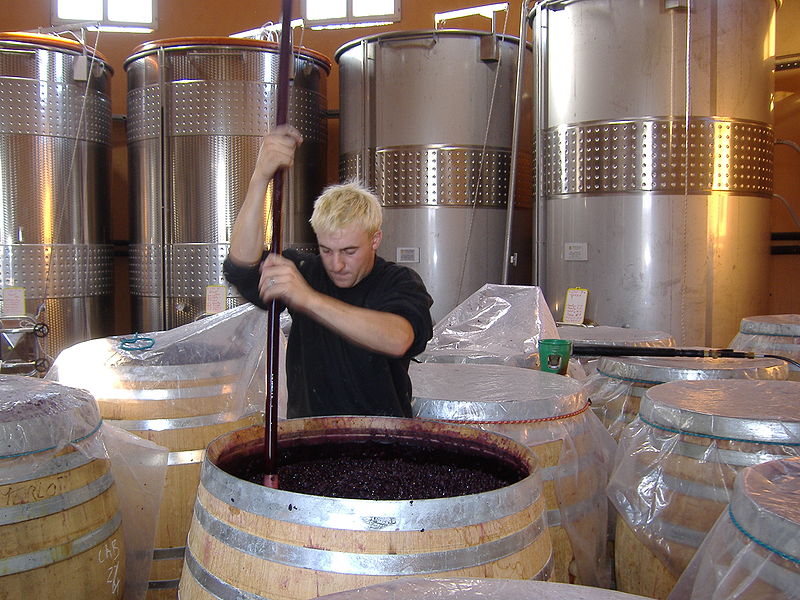
And this here is pigeage.

commons.wikimedia.org

This process is known in French as pigeage and is part of the maceration process that extracts color, flavor and aroma compounds from the grape skins into the wine.–wikimedia

Seems like the same idea as a mortar and pestle, no?