Making Merry Music

In the fall of 1947, the Jawhawker published its seasonal magazine, full of pictures of musical students on campus at the University of Kansas. Here we see trumpet major Dorothy Brewer (from Olathe) showing us what she’s got.

But she wasn’t the only one.

Horns were in fashion.

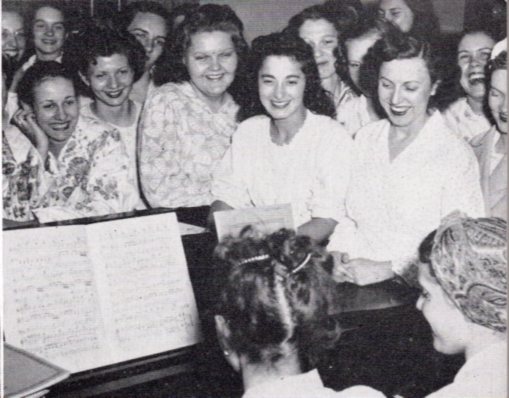
But the piano never went out of style. Old mentored young.

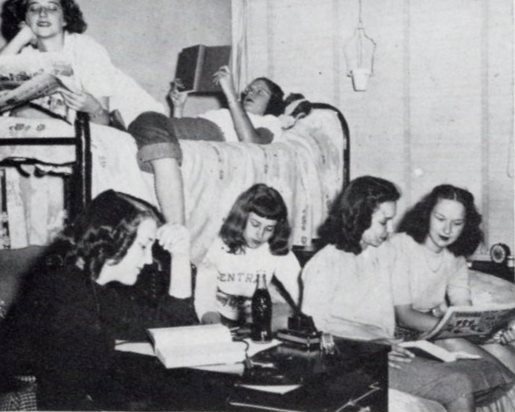
The ladies of Miller Hall gathered to tickle the ivories during this late night pajama party.

These days, however, they may look more like this.

giphy.com

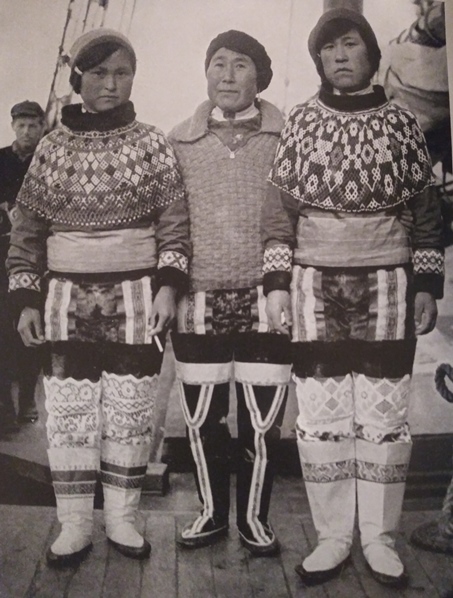
Hot Summer Trend: Sealskin Trouser Thigh Panel

Nat Geo, 10/49

This 70-year-old National Geographic states that the thigh panel on tight sealskin trousers are “a fashion must in Greenland.” Composed of bits of brightly-dyed leather in mosaic patterns, they add pop to any thighs, and compliment the two pounds of beaded collar forcing their shoulders down.

These Eskimo women are cited as Angmagssalik in the article. That’s a rough word, folks. You know how it’s Istanbul, not Constantinople nowadays? Well, in this case, it’s Tasiilaq, not the antiquated term Angmagssalik. So Tasiilaq it is!! If that’s too much for your brain on a Tuesday, I feel you.


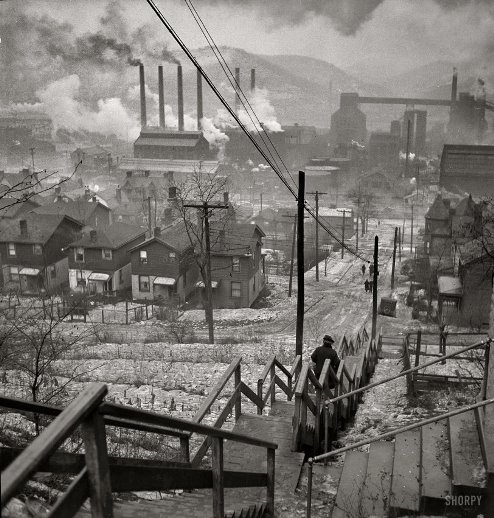
Not What You’d Call Handicapped Accessible

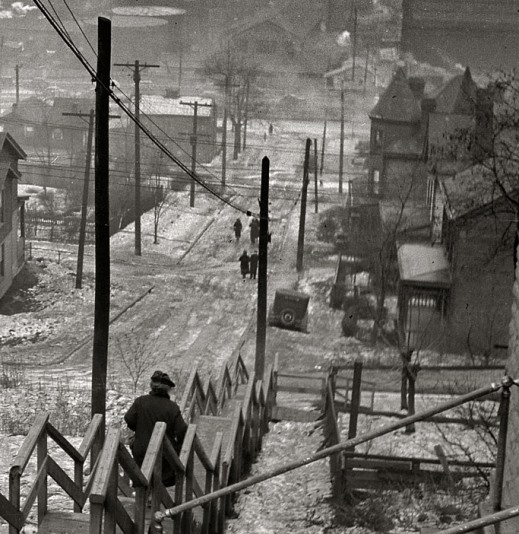
Pittsburgh, PA, Jan 1941, by Jack Delano per SHORPY

That looks like a nightmare in so many ways: the incline, the ice, the cartilage in my knees, the narrow passage, no room for strollers or wheelchairs, not to mention the industrial factory pollution in the air. Not the type of setting that demands a rousing rendition of “Oh, What A Beautiful Morning!”

Spare A Square

“He produced a handkerchief—crisply folded—and handed it to her. She took it with silent astonishment. She’d never before known anyone who carried a handkerchief.”
― Cassandra Clare, City of Bones (2007)

A handkerchief. It does seem a romantic (however outdated) notion, as far being used for anything under than a natty pocket square. And should a damsel have the need for dabbing her tears, a clean handkerchief might come in hand.

However, the reality is less romantic.

“Nothing, however, bemused the Indians more than the European habit of blowing their noses into a fine handkerchief, folding it carefully, and placing it back in their pockets as if it were a treasured memento.”  ― Bill Bryson, At Home: A Short History of Private Life

Surely we can all agree on that. I believe that my grandfather carried a handkerchief on his person, but he was also known to sneeze 7 to 8 times in a row. As a child, that was one tradition we could always expect at Christmas: to count grandpa’s sneezes as he went along.

Today, as Cassandra Clare, pointed out, almost no one uses them for blow, but merely for show. We live in a disposable world full of affordable soft Kleenex; I have a box within reach right now, as well as in four other rooms in our home.

Growing up in Austin during Willie Nelson’s outlaw years, my first introduction to handkerchiefs was the classic red paisley one he wore as a bandana, and which you still often find gathered around a blue heeler’s neck in the country. But in their day, handkerchiefs were more than just a square for hygienic purposes. They also served as art.

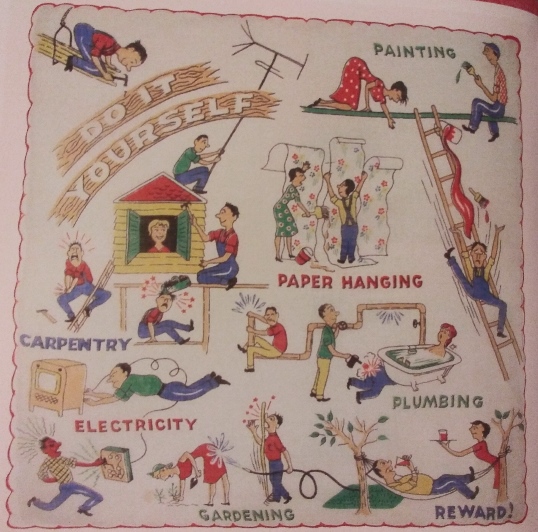
So today, I share some images from “Handkerchiefs: Volume 2.” We start with one fit to hand a lass in need.
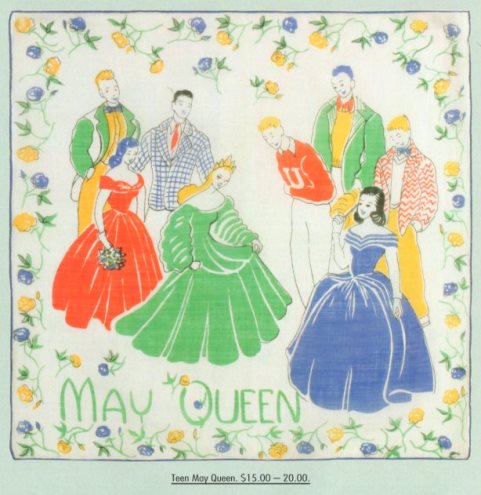
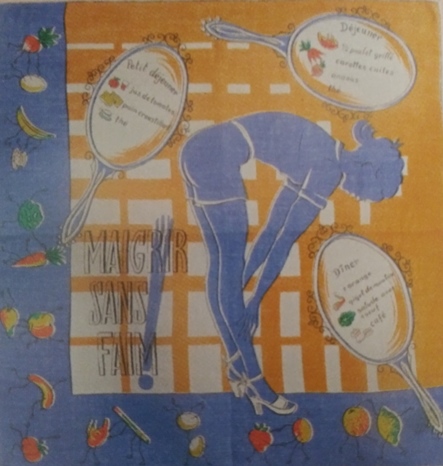
This one’s in French!
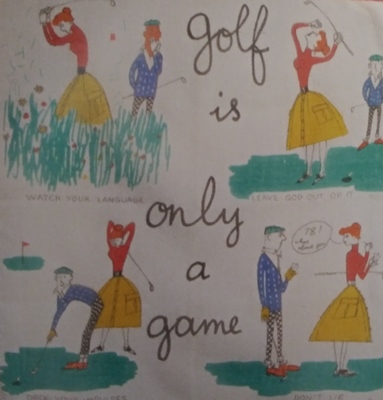
Some were geared toward hobbies.
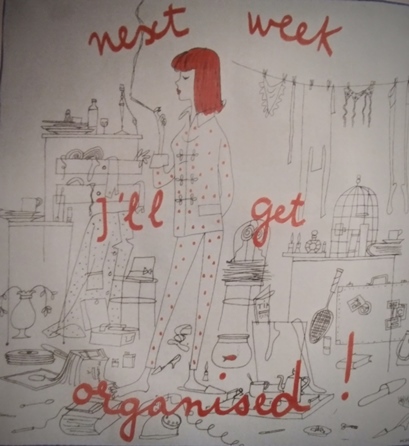
Or motivation.
Animals of all kinds made the grade.
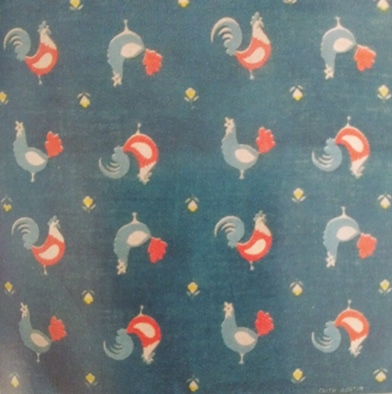
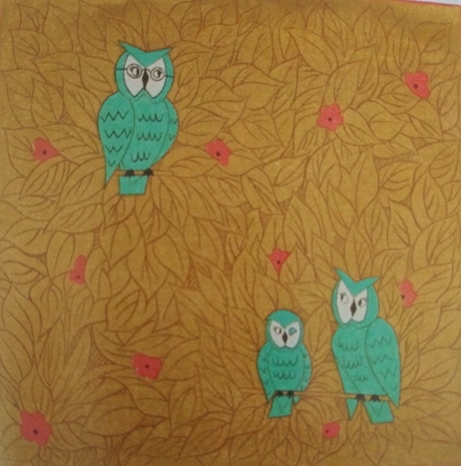
Even our amphibian friends!

The cotton served as canvas for all sorts of swinging scenes.

And some were downright detailed. This might have even served as a Father’s Day gift. Don’t forget: it’s this Sunday!
Ain’t Nobody Got Time For Constitutional Rights

Illustrated History of the US, Getty Images

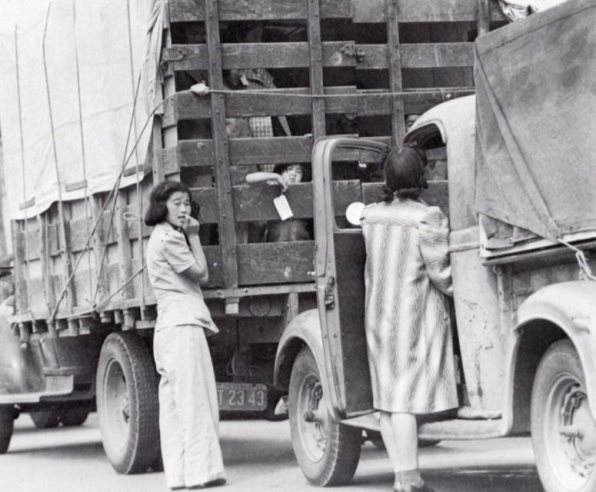
Panic and fear of a Japanese invasion led to the rounding up and internment of Japanese-Americans during WWII per Executive Order 9066. This woman’s body language in Redondo Beach seems to show some panic and fear as well. Both Canada and Mexico followed suit shortly thereafter.

This shot of First Lady Eleanor Roosevelt and Dillon S. Myer, director of the War Relocation Authority, seems to imply no resentment on the part of those who were relocated to Gila River Relocation Center in Rivers, Arizona. Can we leave soon please?

Per http://www.history.com, about 117,000 people were affected by relocation, with a total of 10 housing camps. Two were located on Indian reservations, despite the protests of tribal councils, who were overruled by the Bureau of Indian Affairs. Snap.

Army-directed evacuations began on March 24. People had six days notice to dispose of their belongings other than what they could carry.

Anyone who was at least 1/16th Japanese was evacuated, including 17,000 children under 10, as well as several thousand elderly and handicapped.

These folks are smiling at Santa Anita, but the crowded conditions betray them. Although they were not met with the horror and atrocity of concentration camps, a cage is still a cage is still a cage, especially since most of the people were American citizens.

Getty Images

The last Japanese internment camp closed in March 1946.

Tights And Loafers

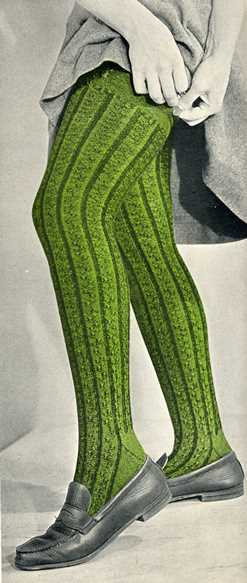
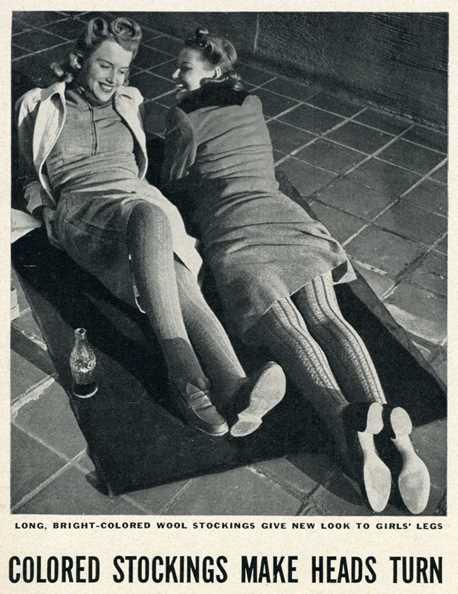
This February 1941 LIFE article states that these colored stockings are head-turners. I agree that these green stockings DO turns head, but not for the right reasons. I don’t know any gal who’d find those a compliment to her ensemble.

They actually look much better in black and white, especially when paired with lovely smiles and (of course) a bottle of Coke. Coke makes everything better. 

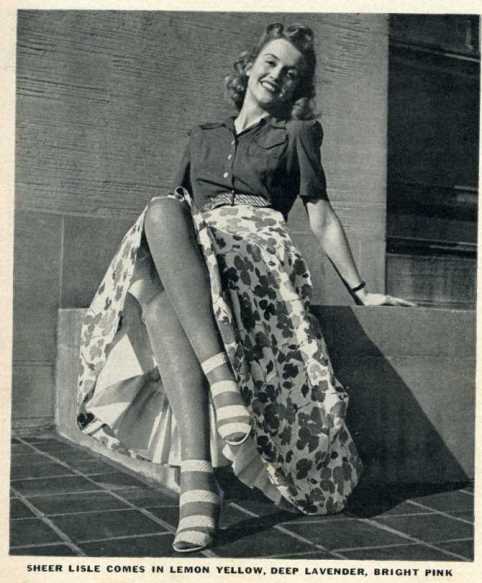
Boy, this gal is a stunner, such a lovely image of spring.

Evidently, stockings are made of lisle, a word with which modern women are not familiar.

lisle. n. 1. a fine, high-twisted and hard-twisted cotton thread, at least two-ply, used for hosiery, gloves, etc.

The only Lyle with which I’m familiar is Waggoner, the actor from “The Carol Burnett Show.” Did you know he’s been married to his wife for 58 years??

reddit