Return To 1935

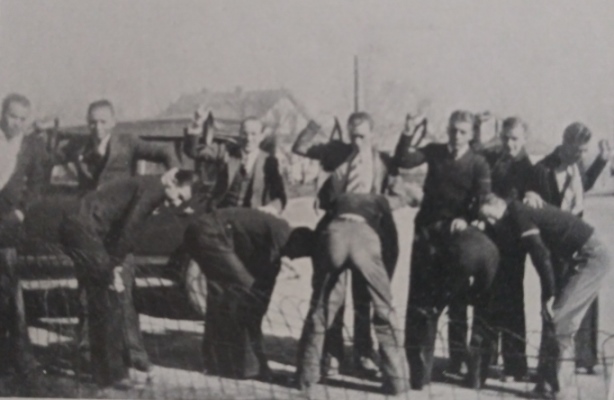
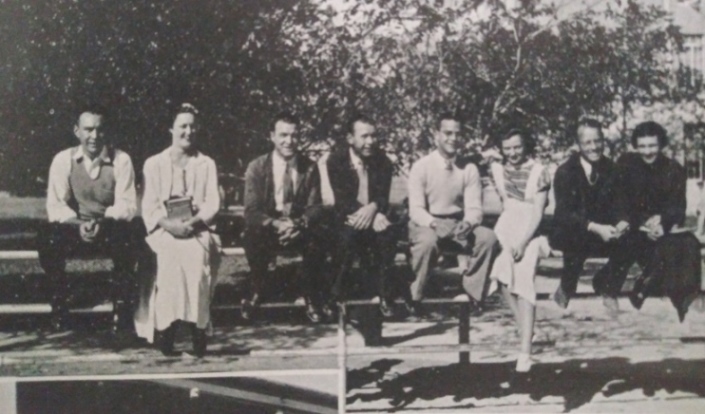
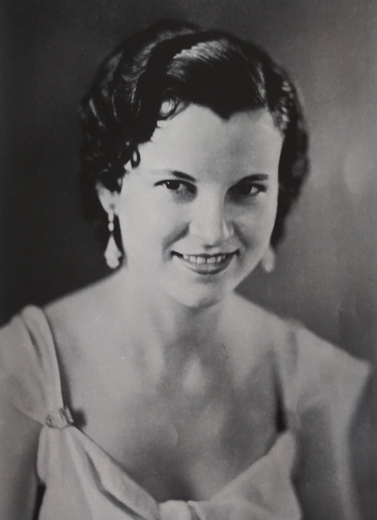
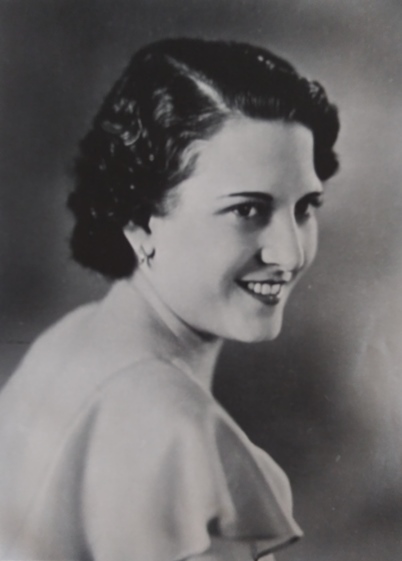
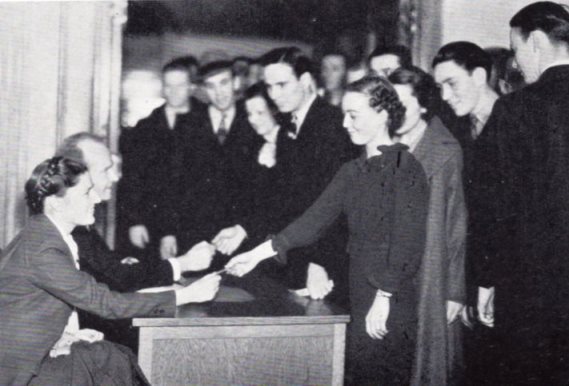
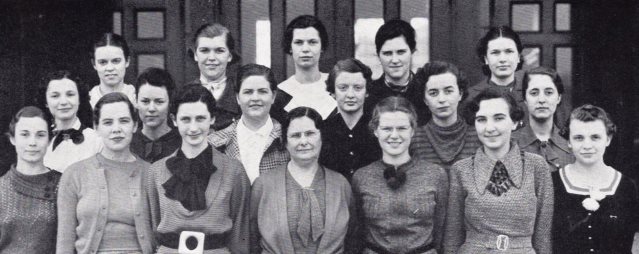
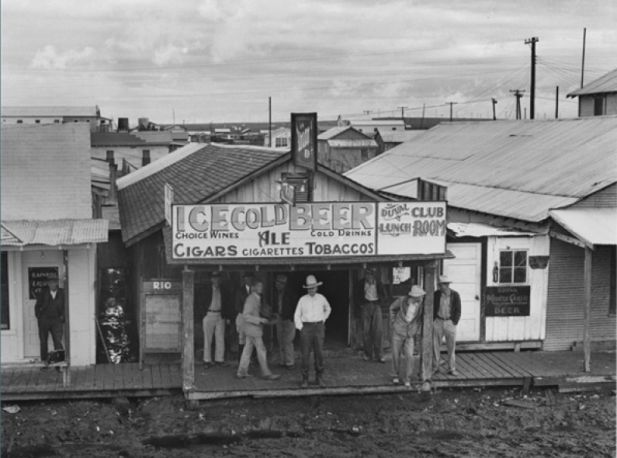
Yesterday, we visited West Texas State Teachers College for a glimpse of campus life. As you can imagine, with images ranging in size from a stamp to a business card, the resolution can be sketchy. But amazingly, some images are crisp as a kettle chip. Feel free to click to enlarge.


So Maybe 1935 Wasn’t Entirely Unpleasant

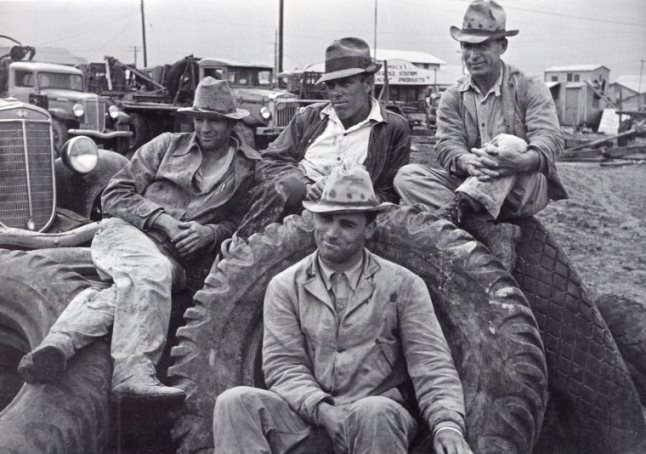
Prohibition was over, yes. But the Depression was still in full swing, with 20% unemployment, compared to today’s 3.8%. Not being able to support a family might be a justifiable reason to drink, which probably contributed to the formation of a group called Alcoholics Anonymous that year. In addition, The Social Security Act was signed. Wikipedia fun facts include these bits of trivia:

  • Airplanes were banned from flying over the White House.
  • Porky Pig made his debut in Looney Tunes’s I Haven’t Got a Hat.
  • The world’s first parking meters were installed in Oklahoma City. Really? OKC?
  • Humorist Will Rogers was killed when his plane crashed shortly after takeoff near Barrow, Alaska.
  • The China Clipper took off from Alameda, California to deliver the first airmail cargo across the Pacific Ocean; the aircraft reached its destination, Manila, and delivered over 110,000 pieces of mail.

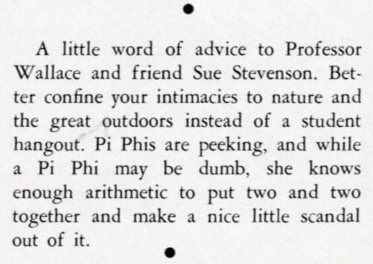
Meanwhile, fortunate young Americans still attended college, like these students at West Texas State Teachers College. As you know, my favorite parts of my many yearbooks are the candid shots. Many of them are only two inches high in brittle paper collages, but with the power of zoom, we can get a great sense of the campus culture.

Come back soon for more 1935 pics; this yearbook is a treasure trove!

When Your Skirt Is In Serious Need Of Ventilation

1939

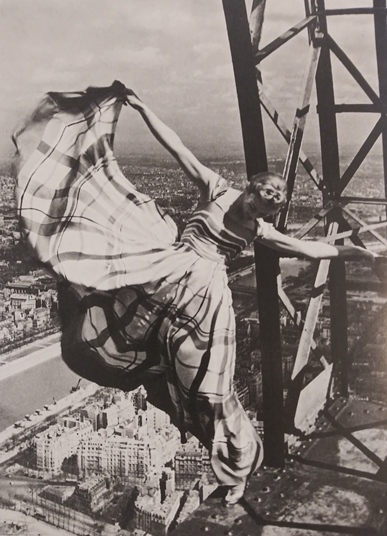
Ladies, we’ve all had those moments when the air gets stale beneath our petticoats and we could go for a good “Seven Year Itch” subway grate moment. Get the air moving about a bit. But this is too much. Maybe model Lisa Fonssagrives was having a good braided hair day, a good make-up day, and wanted to get out and show her dress off. That, I get. Sometimes your hair is so on point that it demands social activity.

But hit the pubs, the restaurants, the gardens, perhaps the part of the Eiffel Tower that touches the ground. Maybe that was her intention. But then photographer Erwin Blumenfeld arrived on the scene.

And he said, “Just hear me out here, but I was thinking … What if you scaled the girders of the tower in your billowy Lucian Lelong dress–which is totally not a hazard in any way–sans harness, and just sort of hung on by one hand? Sound good?”

And she was all, “Why not?”

Badda-bing, badda-boom, the precursor to our current dangerous, extreme selfie culture.

Somehow, Lisa lived to the age of 80, not falling off a Parisian tower. She described herself as a “good clothes hanger.”

Spare A Square

“He produced a handkerchief—crisply folded—and handed it to her. She took it with silent astonishment. She’d never before known anyone who carried a handkerchief.”
― Cassandra Clare, City of Bones (2007)

A handkerchief. It does seem a romantic (however outdated) notion, as far being used for anything under than a natty pocket square. And should a damsel have the need for dabbing her tears, a clean handkerchief might come in hand.

However, the reality is less romantic.

“Nothing, however, bemused the Indians more than the European habit of blowing their noses into a fine handkerchief, folding it carefully, and placing it back in their pockets as if it were a treasured memento.”  ― Bill Bryson, At Home: A Short History of Private Life

Surely we can all agree on that. I believe that my grandfather carried a handkerchief on his person, but he was also known to sneeze 7 to 8 times in a row. As a child, that was one tradition we could always expect at Christmas: to count grandpa’s sneezes as he went along.

Today, as Cassandra Clare, pointed out, almost no one uses them for blow, but merely for show. We live in a disposable world full of affordable soft Kleenex; I have a box within reach right now, as well as in four other rooms in our home.

Growing up in Austin during Willie Nelson’s outlaw years, my first introduction to handkerchiefs was the classic red paisley one he wore as a bandana, and which you still often find gathered around a blue heeler’s neck in the country. But in their day, handkerchiefs were more than just a square for hygienic purposes. They also served as art.

So today, I share some images from “Handkerchiefs: Volume 2.” We start with one fit to hand a lass in need.
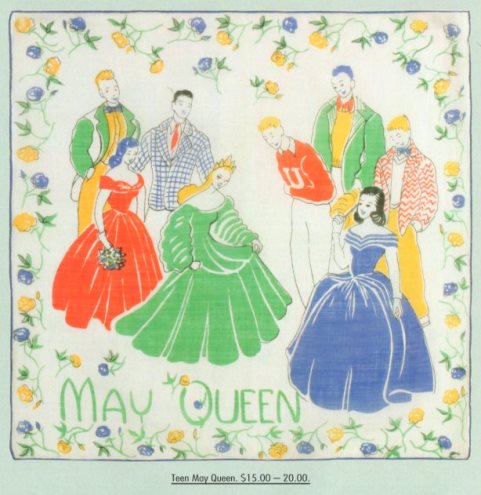
This one’s in French!
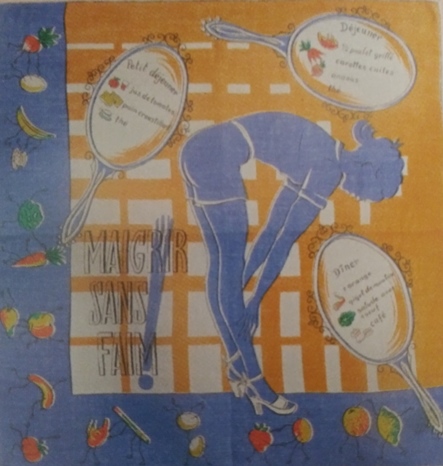
Some were geared toward hobbies.
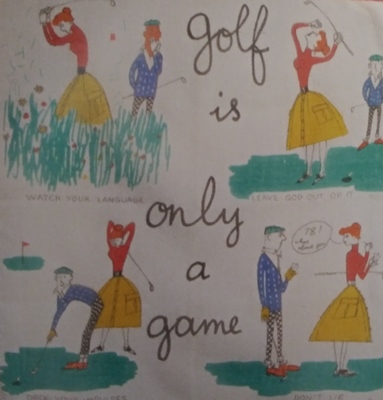
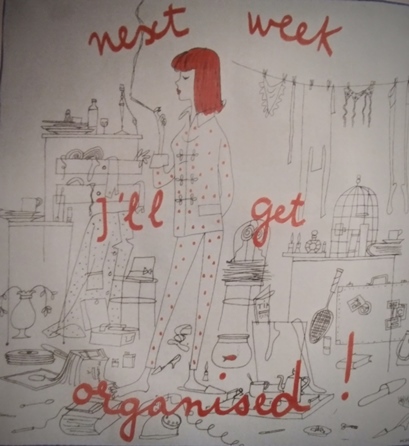
Or motivation.
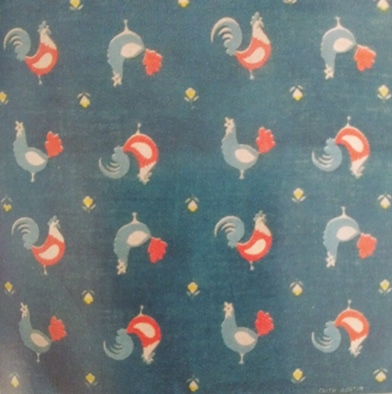
Animals of all kinds made the grade.
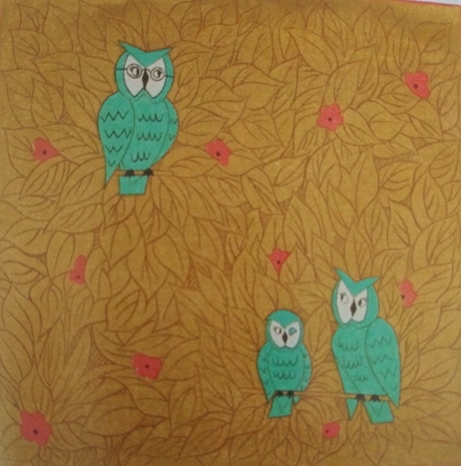
Even our amphibian friends!

The cotton served as canvas for all sorts of swinging scenes.

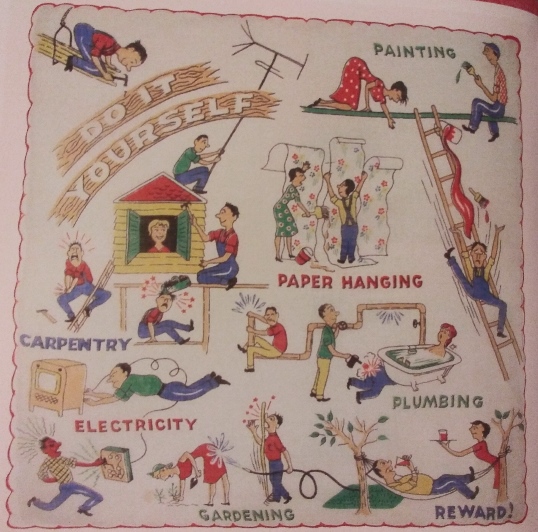
And some were downright detailed. This might have even served as a Father’s Day gift. Don’t forget: it’s this Sunday!
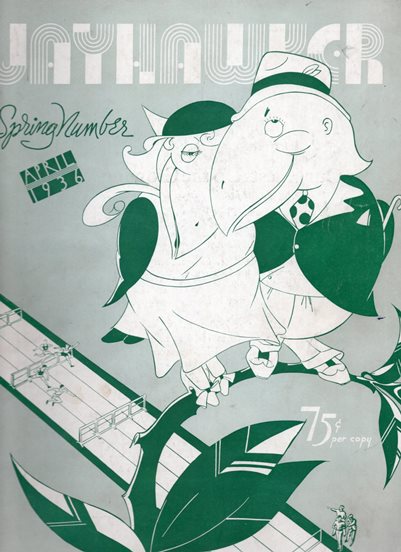
Jayhawker Life, April 1936, Part II

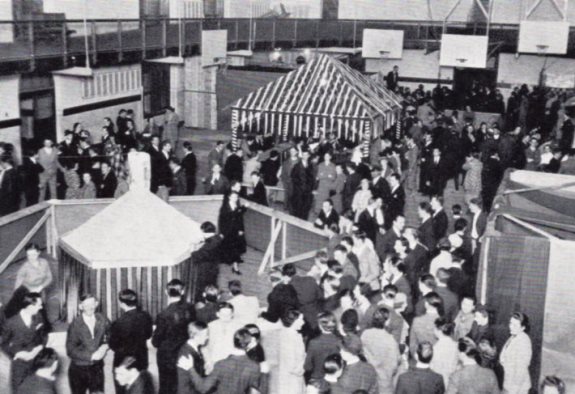
Yesterday, we looked at the life of a University of Kansas Jayhawk in the spring of 1936. Today, we start with scenes from their social life.

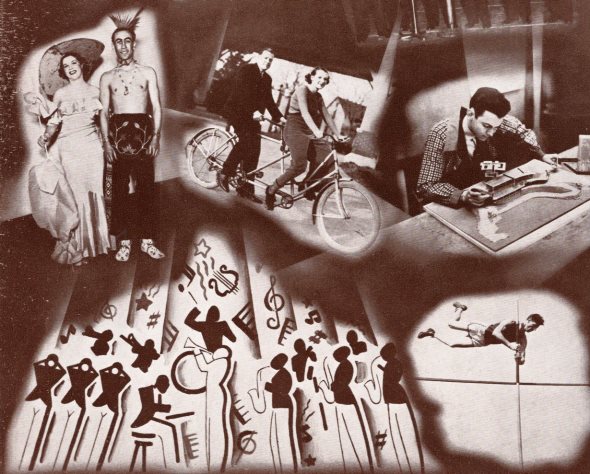
Students bought tickets for Carnival Town.

It was an indoor affair.

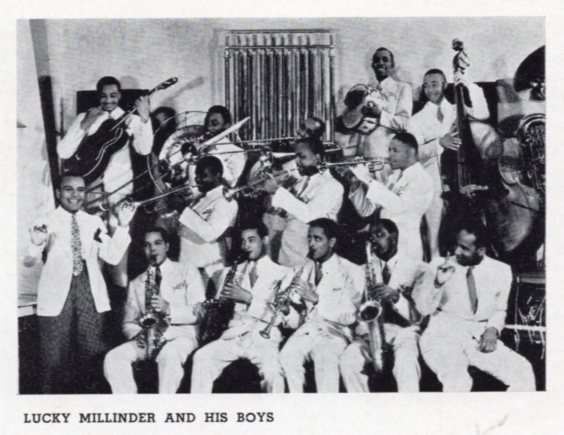
Lucky Millinder provided the music.

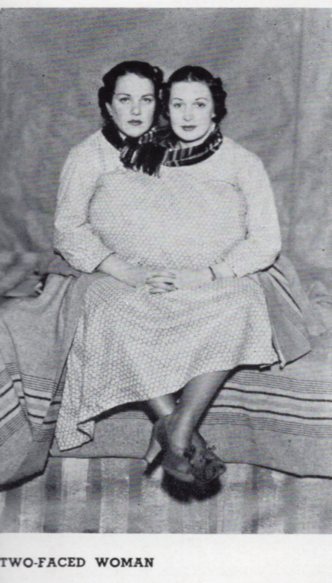
There were sideshow acts as well.

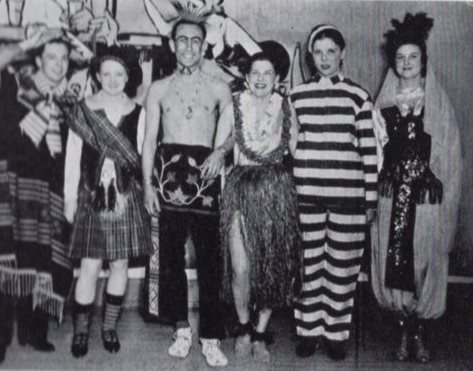
The students loved costume parties.

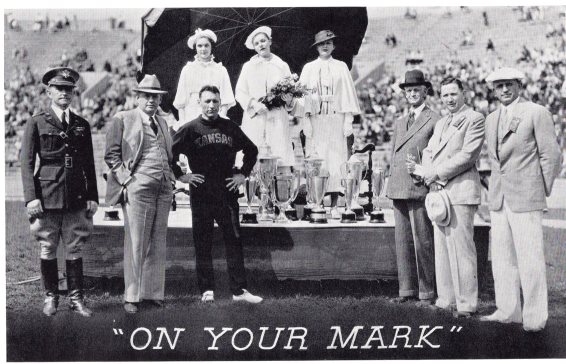
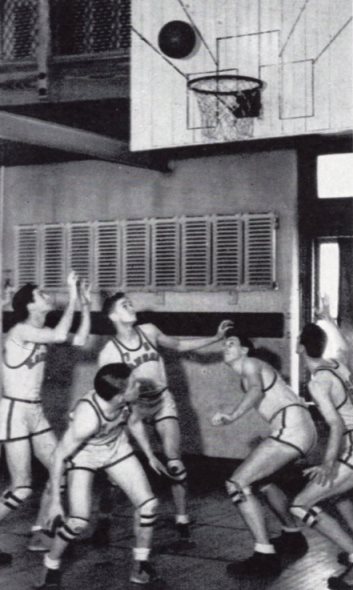
And sports were taken seriously.

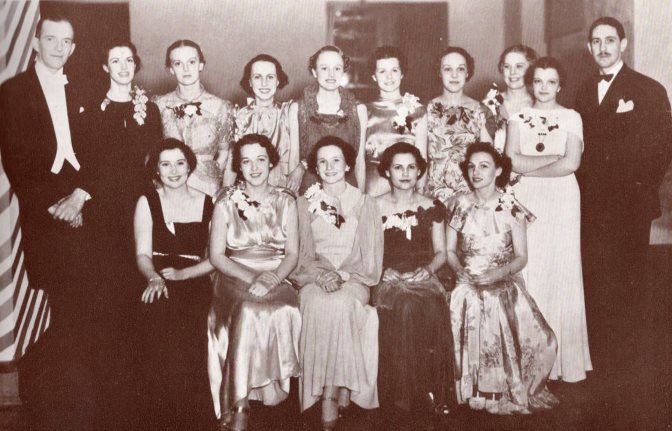
The ladies below were the junior queens of the annual prom. As you can see, this was a “bare forehead” time in hairstyling.

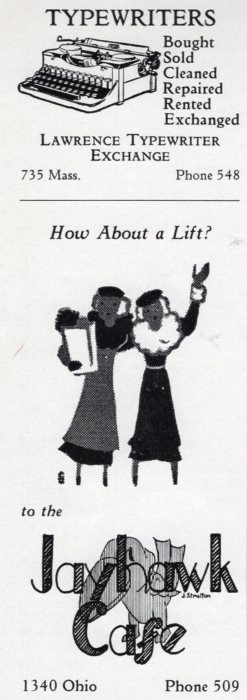
I also wanted to share some of the ads in the back of the magazine, for the artwork as well as the three-digit phone numbers.

And how about that cute little image at the bottom right? Keep in step! Everyone knows ice cream is healthy!

Jayhawker Life, April 1936, Part I

Though we don’t think of 1936 as a particularly hopeful, happy year in American history, the students at the University of Kansas seemed to be doing just fine.

Interesting jazzy artwork, no? Costume parties, bicycles built for two…

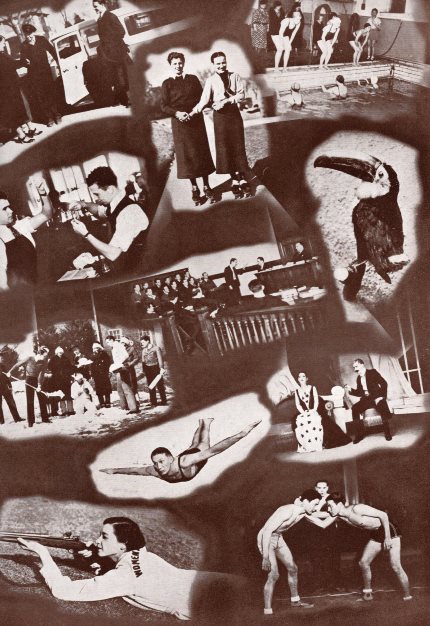
Roller skating, swimming, snowmen, shooting, wrestling, and a toucan that is in no way a jayhawk, their mythical mascot. The name is a combination of two birds — the noisy blue jay, known to rob nests, and the sparrow hawk, a stealthy hunter.

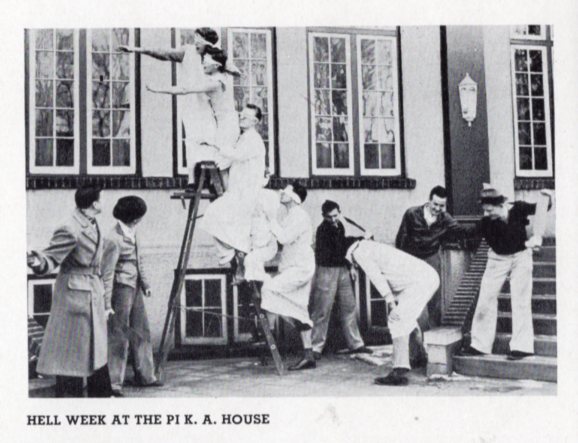
The typical hazing took place.

The ladies of the YWCA posed for this portrait.

I found this an odd item to place in a university magazine. What say you?

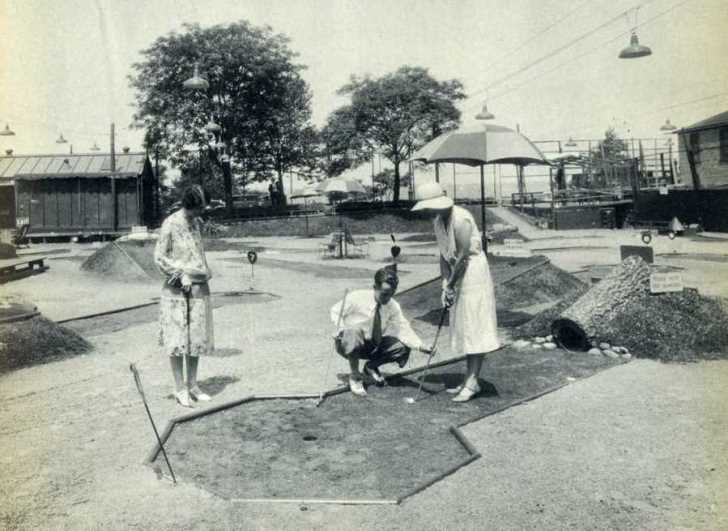
Putt Putt

I Remember Distinctly

Garnet Carter built his first “Tom Thumb Golf Course” in Lookout Mountain, TN in 1927. Two years later, he drove to Miami to build another. By the following summer, mini golf courses were springing up around the USA along roadsides. Folks could stop and play on greenswards made of cottonseed hulls (Astro Turf was not patented till ’65) and roll their balls through the pipes. Living through The Depression may have stunk, but at least there was putt putt.

The Desert’s Secret

As many of you know, I judge all my books by their covers. The only books I purchase are in the clearance $1-$3 section at Half Price Books, chosen firstly by their spines, then their covers, and then the summaries on the inside cover.  I read them in a matter of weeks and donate them back to the store when I’m done. I haven’t bought a retail book from Barnes & Noble in over a decade. Why pay $25 for a book when you could eat enchiladas and have a frosty Coke?

So today, as I perused the clearance section, this little book caught my eye with its bright colors, still vivid since 1933. Isn’t it scandalous? I didn’t buy it because it’s not my fictional cup of tea, but I thought I should share its fun cover. Evidently, the author enjoyed the desert. And whoever does buy it will snag it for only three bucks!
Getting Old Beats The Alternative

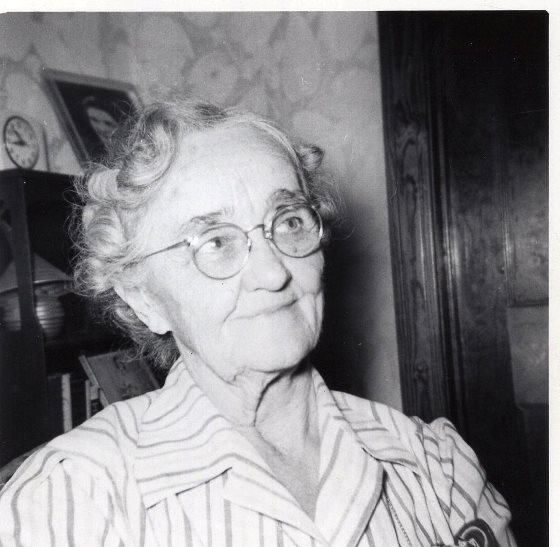
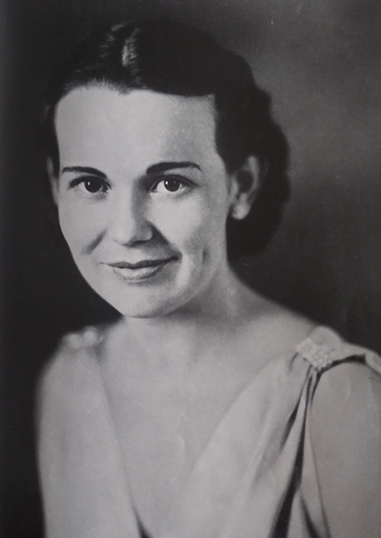
Mrs. TJ Vaughn (Horace’s Aunt Cap) Dec 49, San Antone

1935 San Antone

Cactus 1978
Pinterest
Cactus 79-Pioneer Farm Fall Fest, Eula Denver
Pinterest