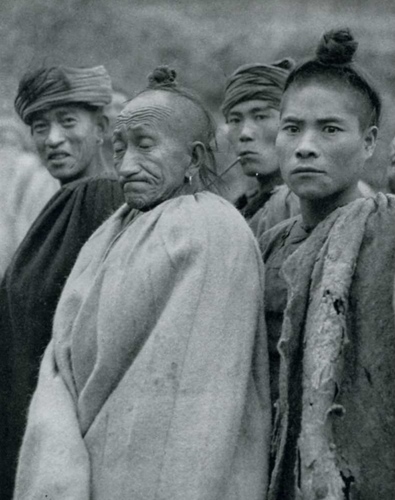

Americans were searching for missing flyers and presented gifts to the wife of a Lolo chieftain.
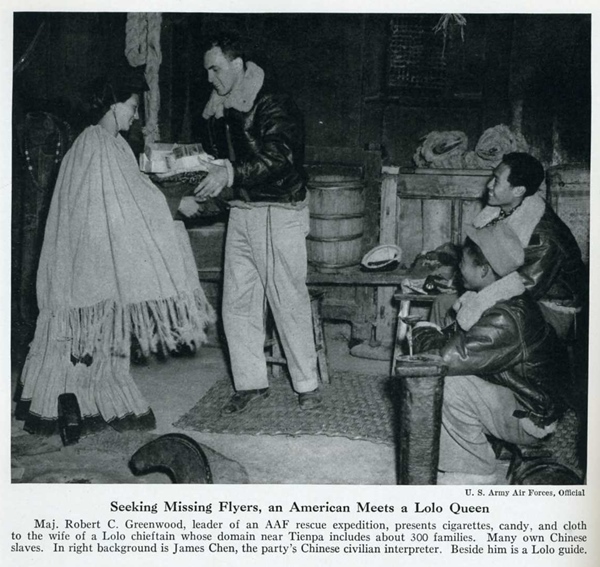
Yes, that does say the Lolos owned Chinese slaves. Hmm, slavery in 1947, and it still goes on today. No comment.
Americans were searching for missing flyers and presented gifts to the wife of a Lolo chieftain.
Yes, that does say the Lolos owned Chinese slaves. Hmm, slavery in 1947, and it still goes on today. No comment.
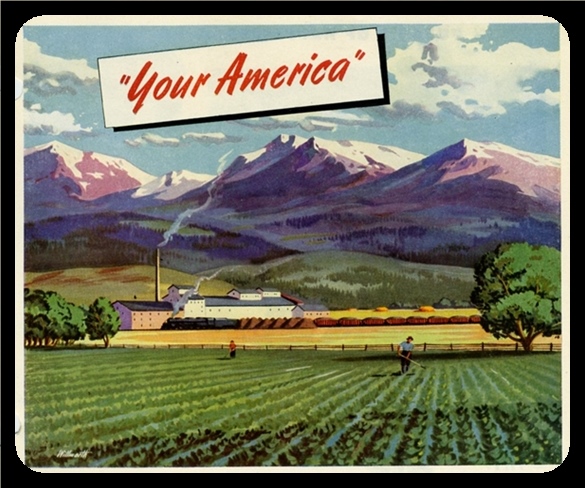

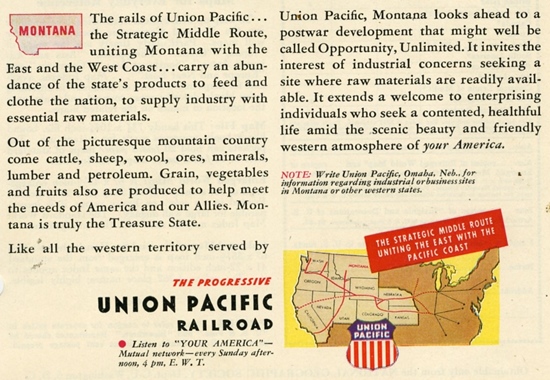
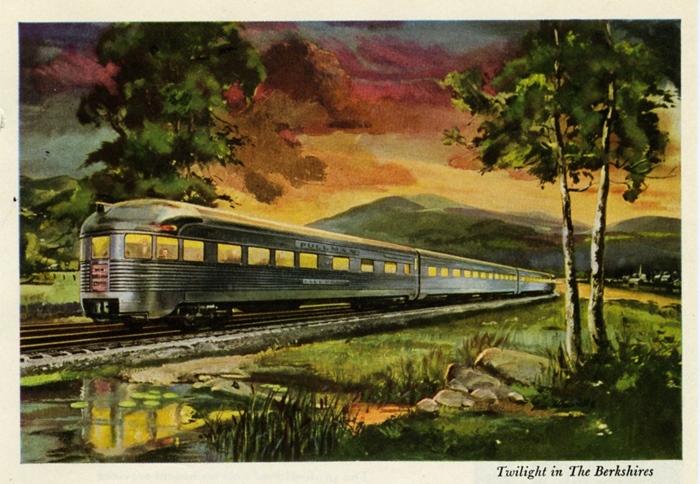
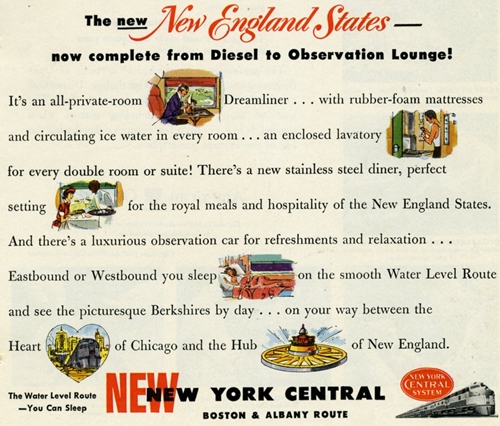
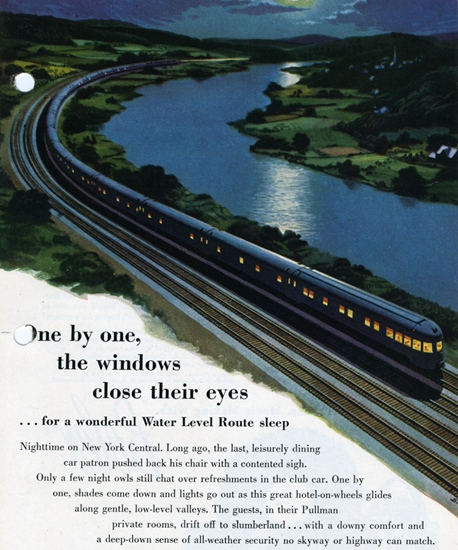
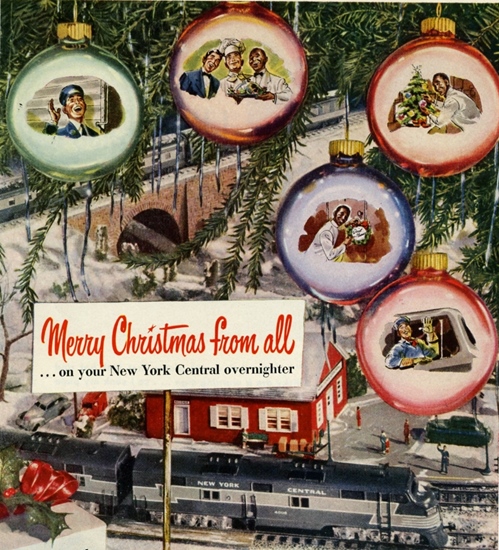
Yesterday we profiled New York Central railroad advertising, and today we focus on the Union Pacific. Again, these are all WWII era, as evidenced by the optimism above: “After victory…”
Montana shows us stout cows and wide open spaces.

The Nebraska one has an interesting choice of colors for the sky. 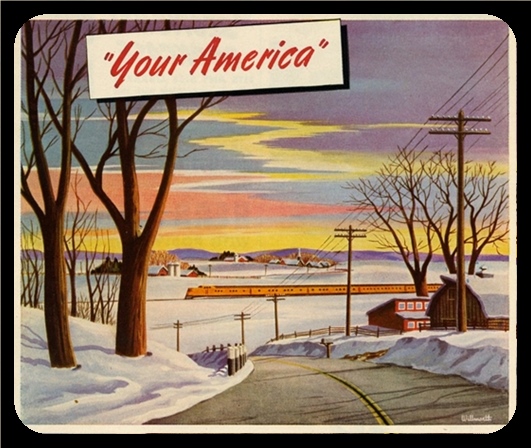

California has ordered groves and fresh citrus. 

What a great ad campaign. I can’t decide which of the four is my favorite. Which do you enjoy?



Save and Sacrifice
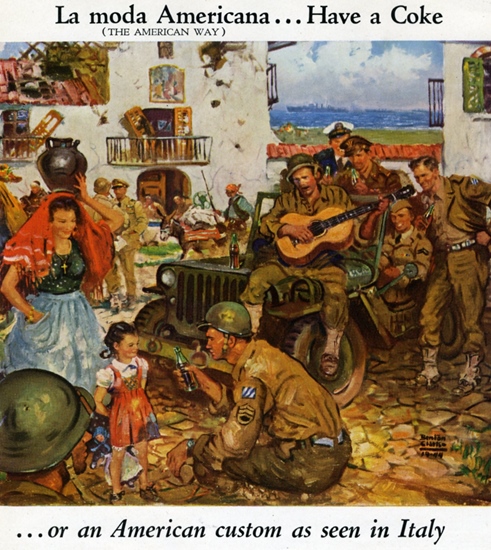
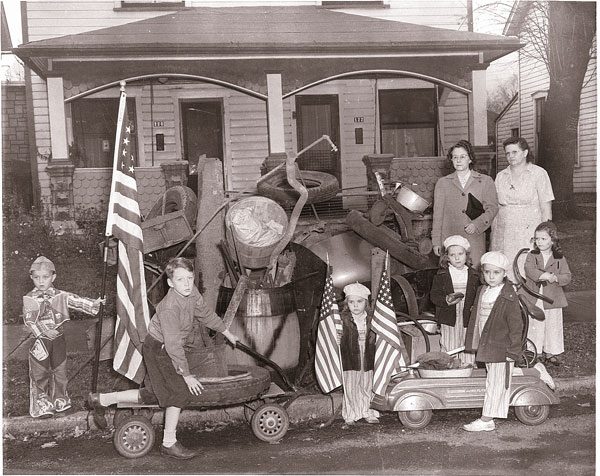
 A large part of the war propaganda effort, demanded sacrifice in terms of daily activities – saving left over waste fats for use in explosives, saving tin cans for metal to be recycled into military material, eating leftovers, recycling paper, growing vegetables and canning them for later home use, saving gasoline by driving cars slower and less often. The national speed limit was lowered to 35 mph! … All Americans needed to share in the burdens of shortages equally. Not to share in sacrifices for Victory was an unpatriotic act, and often was reported. (http://www.intheirwords.org)

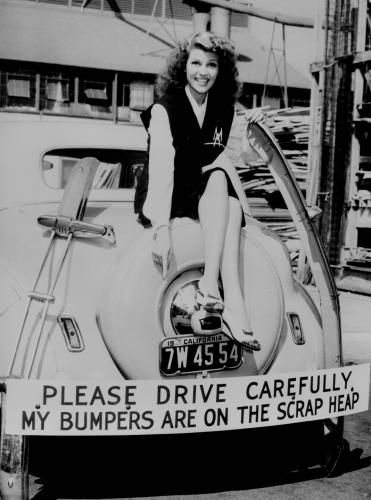
Families collected scrap metal.
Even stars like Rita Hayworth lended their support!
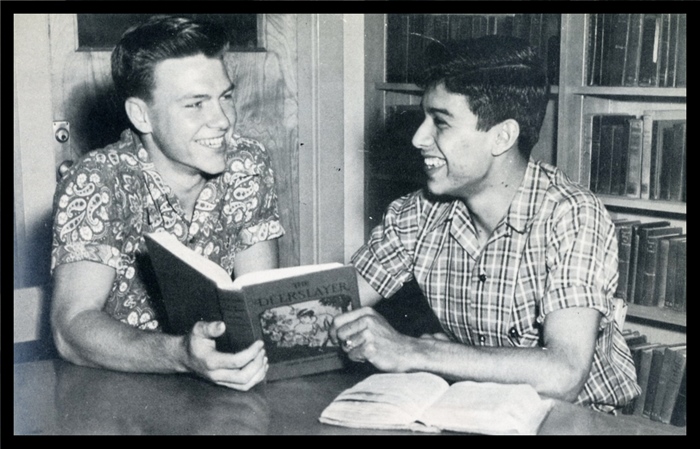
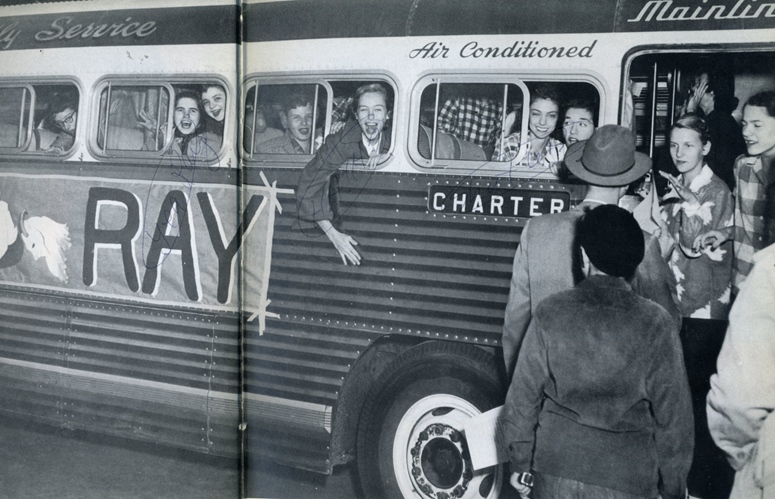
Is anything more comical than the adventures of Natty Bumppo cavorting about with his long rifle and his Mohican foster-brother Chingachgook?
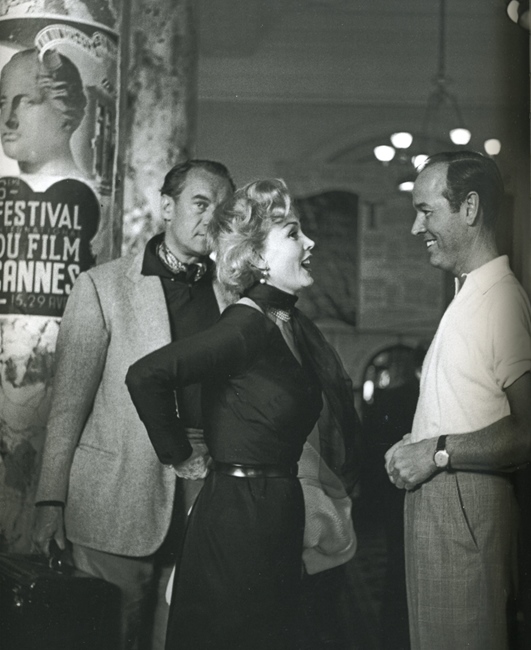
The lady in black is Zsa Zsa Gabor (with husband #3 of 9 George Sanders schlepping the bags) chatting up Earl Blackwell at the 1953 Cannes Film Festival.
Yes, nine husbands. “I am a marvelous housekeeper: Every time I leave a man I keep his house.”
Yes, she is 99 years old, just like the 1980 Toto song by the same name.
While none of us was alive when she was crowned Miss Hungary in 1936, most of our parents weren’t even born when she came into this world in 1917. A stamp cost two cents, women couldn’t vote, Buffalo Bill Cody was in his last year, Chaplin starred in silent films, and the “I Want You” poster, featuring Uncle Sam, attracted thousands of U.S. recruits to WWI duty.
Here she was on her 94th birthday with husband #9.

He plans to throw her a big party this summer to celebrate her 100th birthday (prematurely) and then return to Budapest, her original home, to spend the rest of her life.

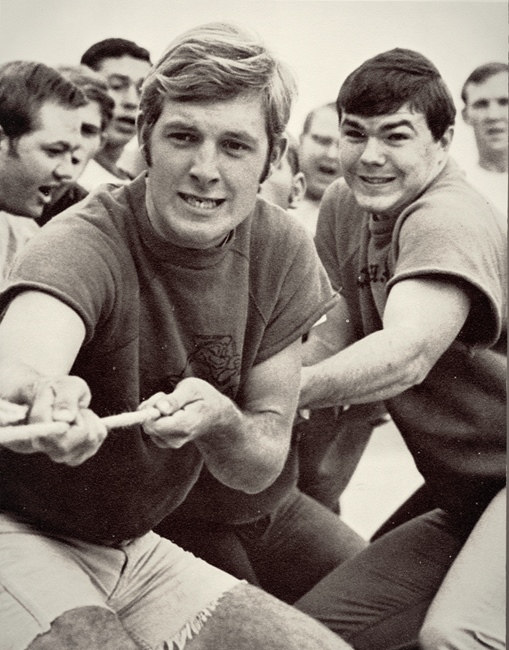
Tell me this guy doesn’t look like a young Michael Caine.

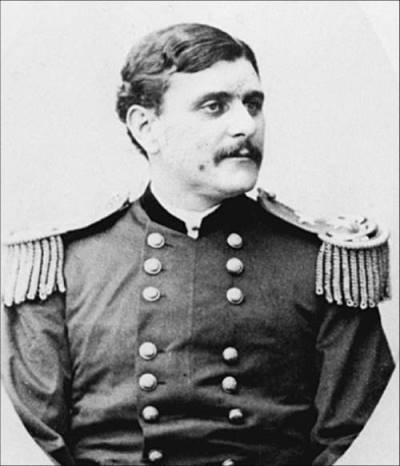
Who’s the dapper Union general in a double-breasted coat, you ask? Why, it’s none other than Galusha Pennypacker in his Civil War days. Pennypacker (unlike many hard-to-pronounce names on this blog) is a jubilant joy for the tongue, like pedalpusher or Miss Moneypenny. It also brings Mother Goose to mind: Peter Piper picked a peck of pickled pennypackers.
Born on the first of June, 1844 in Valley Forge, Pennsylvania, Pennypacker’s life began with tragedy; his mother passed while he was yet a baby, and his father, a veteran of the Mexican-American war, decided he would rather go to California to see if there was gold in them thar hills than provide for his son. Raised by his grandmother, he grew up in the very home occupied by George Washington and used as headquarters during the Revolutionary war, in which his grandfather fought.
So it was no surprise that Pennypacker, at only 16, enlisted…
View original post 309 more words

 I Don't Get It