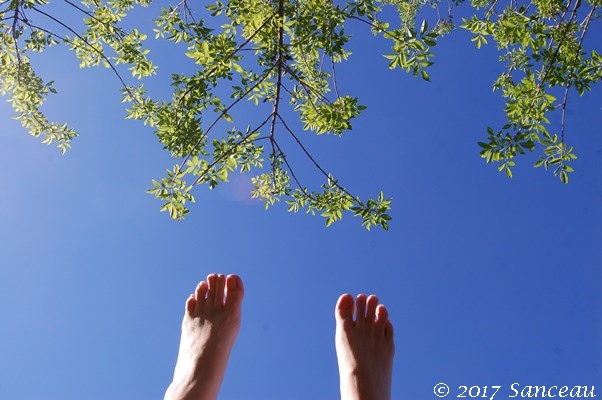
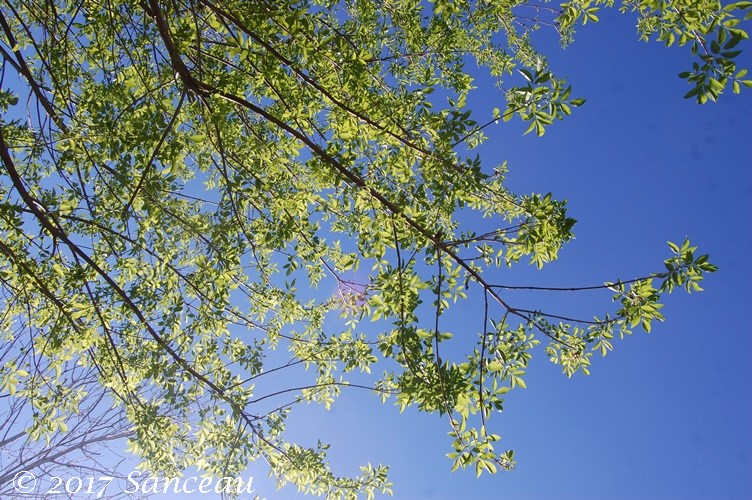


Punxsutawney Phil may have seen his shadow and determined six more weeks of winter, but Hill Country Tonto has decided winter skipped central Texas altogether. No ice days like we usually have near MLK Jr Day, no snow days, no scraping ice off the windshield. We never wore our thick jackets nor our mittens. Only one day did I don a knit beanie, and that was barely warranted. So I guess it’s early spring and 89 degrees, and I’m applying sunscreen but still getting a swimsuit tan.
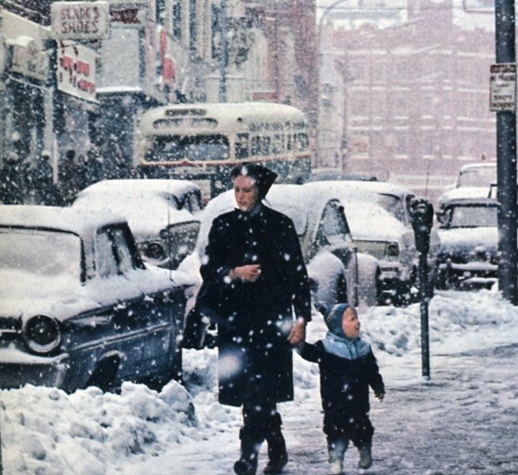
Mother and child make their way down Congress Street in Portland, Maine during a winter afternoon in 1968. Mother seems to be contemplating an early retirement in Florida.

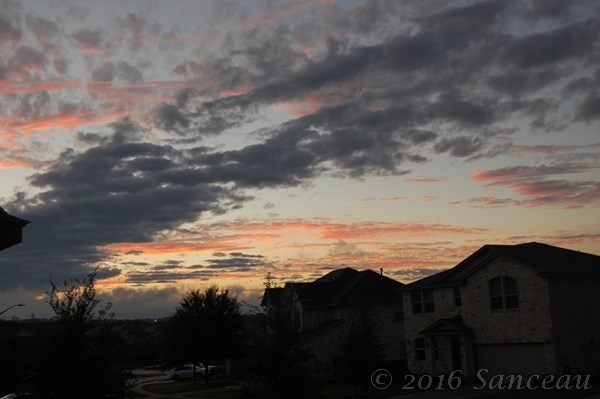

This week marks the first week since spring (I’m gonna say April) that we did not exceed 80 degrees here in central Texas. And that’s why our hibiscus flowers are still blooming a week into November. We had a rare and blessed rain today, and the flowers seemed to drink it up.


Time to get the H out of Dodge.
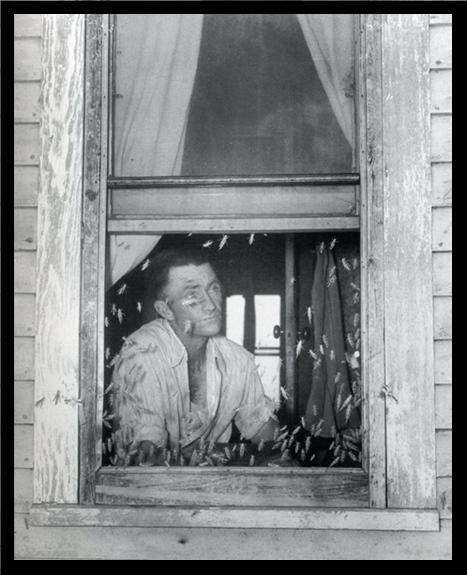
A New Mexico man sits in a stupor, as some of the millions of grasshoppers that invaded the land swarm his window.
Said Sam Arguello of Union County, New Mexico in 1938:
You’d pull on the reins and the horse would slide on the grasshoppers. And that’s a fact. That’s not make-believe. I went through it. I know it.
If it wasn’t grasshoppers, it was erosion. 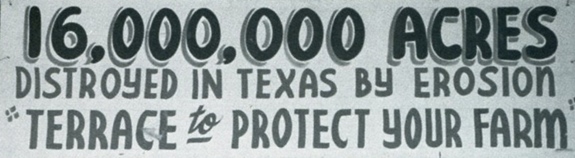
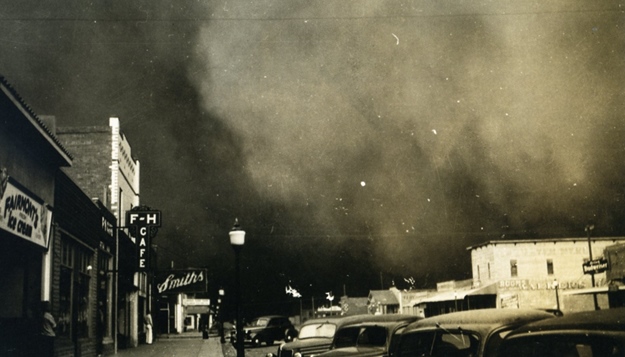
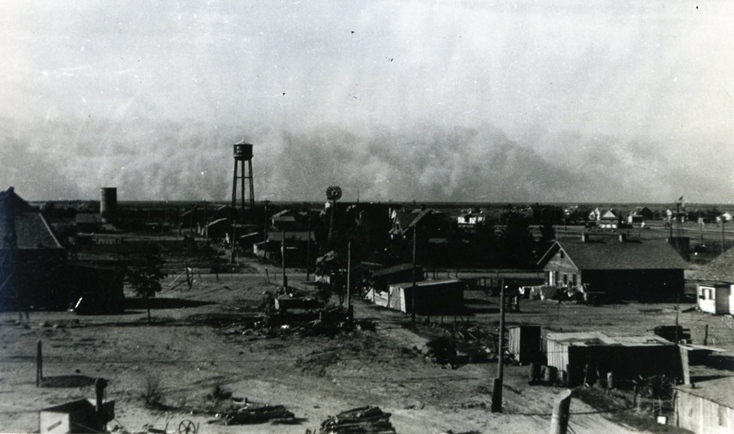
And with erosion, came the dust. Below a black blizzard hits Elkhart, Kansas on May 21, 1937.
FDR encouraged these Boise City farmers to stay put, offering the promise of help and hope. Said Timothy Egan, “Here’s a land that God Himself seems to have given up on, getting the backhand of nature.”
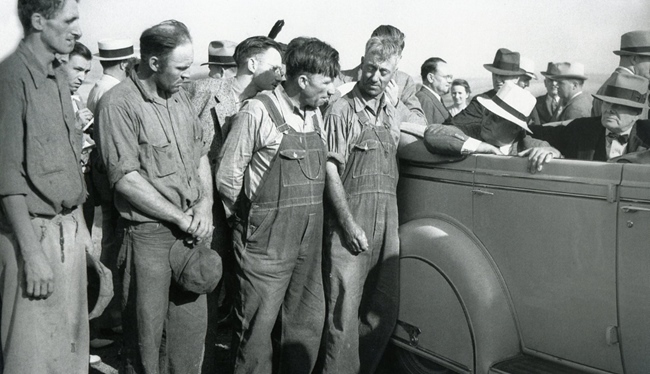
But many could not heed his words. The Dust Bowl exodus was the largest migration in American history. According to www.pbs.org, by 1940, 2.5 million people had moved out of the Plains states; of those, 200,000 moved to California.
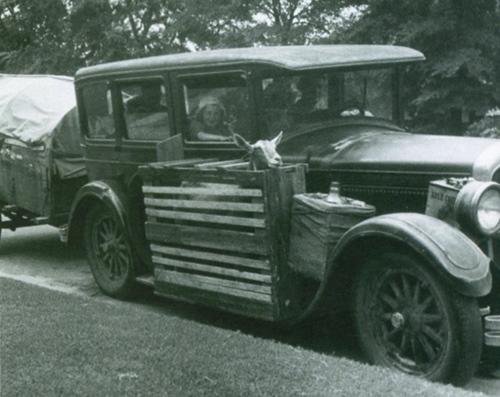
This Texas family loaded up their goat and hit the road, Jack.
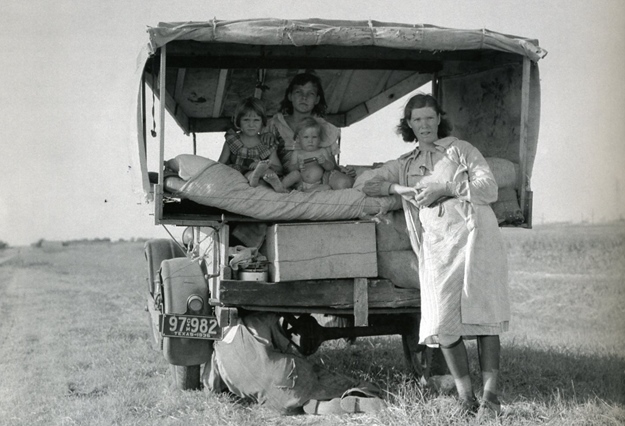
Complications would arise, but this Texan father was able to repair the back axle while his family waited in the shade of a tarp.
Eventually, the drought let up, and precipitation returned. By the end of 1939, the Dust Bowl had shrunk to 1/5 its previous size. By 1940, the drought was officially over, and many farmers harvested their first profitable crop since 1930.
According to Lorene Delay White in The Dust Bowl: An Illustrated History:
Now one will ever know what it meant to us to have it rain. That’s what we prayed for, what we yearned for, was the rain that came that would soak in to the ground and let us raise a crop and eventually stop the dust.
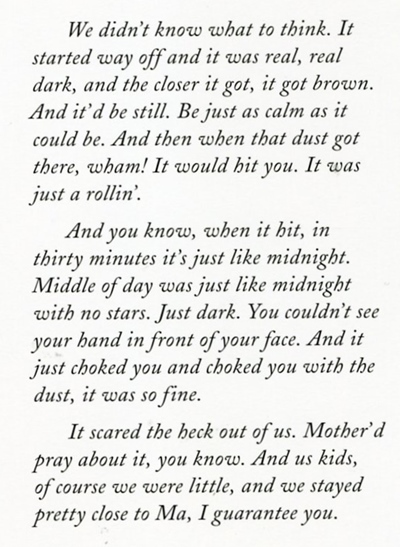
These were the words of young Robert “Boots” McCoy from an area near Boise City, Oklahoma in January 1932, as he huddled with his older sister Ruby Pauline and pregnant mother.
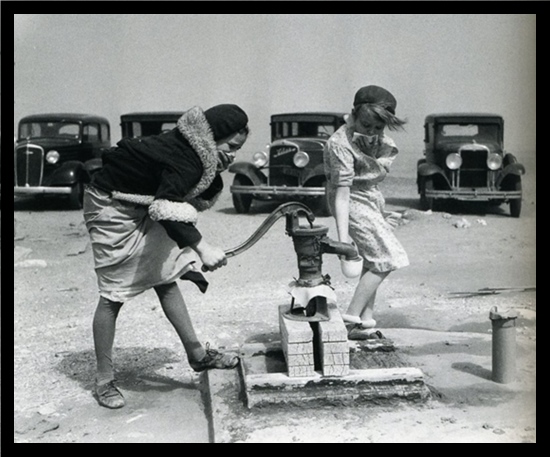
Two Baca County, Colorado girls cover their mouths while pumping water into a cup in March 1935.
The Dust Bowl by Duncan & Burns showcases images and stories from the five states affected by the “worst man-made ecological disaster in American history.” Below is what is considered the Dust Bowl during the 1930s.
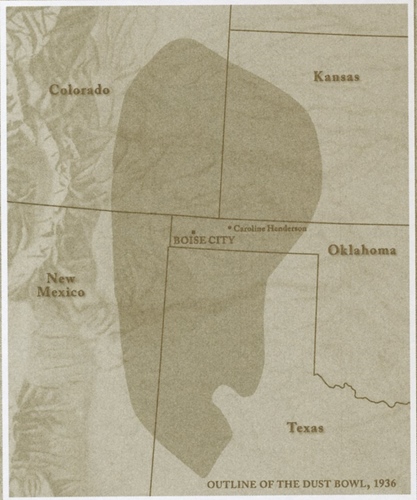
Wind, drought, and poor farming practices combined to create a perfect storm of “black blizzards” across millions of acres, lasting nearly a decade.
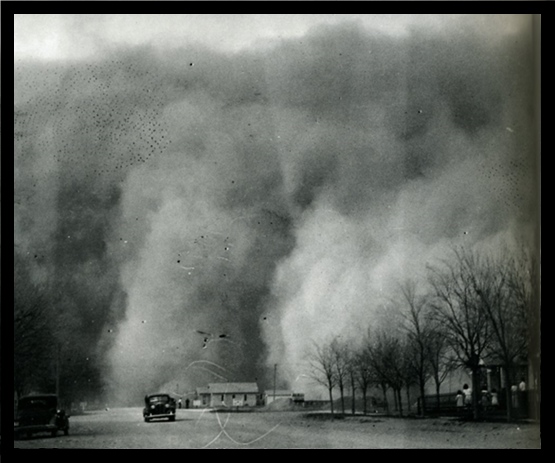
Imagine 14 million grasshoppers per square mile descending upon parched fields, while millions of tons of topsoil blew away each year, seeping into every crevice imaginable.
Syracuse, Kansas shopkeepers kept their arms strong by continually sweeping the dust from their sidewalks. 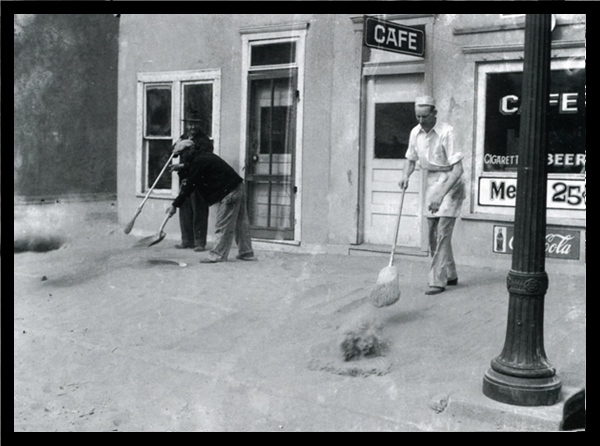
This paperboy in Ness City, KS donned a dust mask and goggles in order to complete his job. One imagines the headlines maintained Living in the Dust Bowl Stinks.

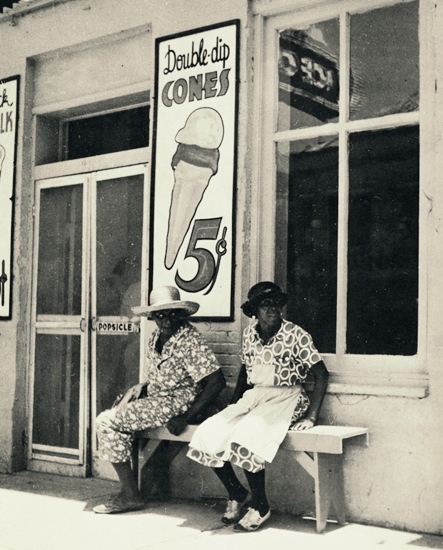
These two ladies keep their eyes peeled for cooler weather (while wearing fabulous hats and dresses) on the kind of day that warrants nickel ice cream. I know it will arrive later this month, the glorious season of fall. But I also know it won’t feel like fall until Halloween. Still, I can see it on the horizon, and what joy that brings!
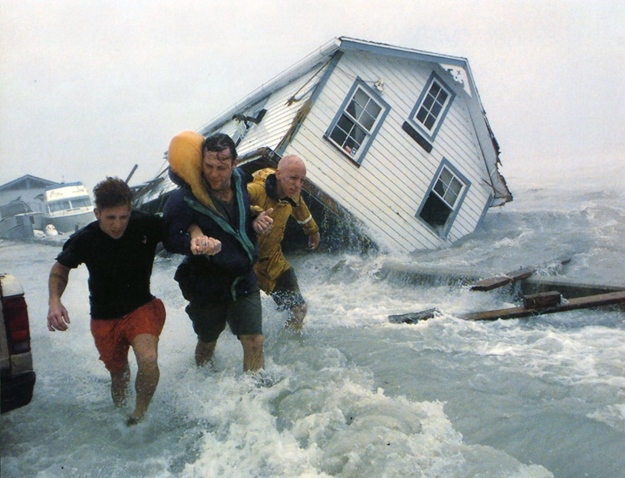
Actually, This House Possessed was a 1981 made-for-TV Parker Stevenson movie that gave me the willies in my formidable years. But it wasn’t nearly as scary as this shot of men being chased by a house. I bet they could give Usain Bolt a run for his money in the 100 meter dash.
When we think hurricane, we probably think of Katrina, but 1998’s Hurricane Georges was no picnic for folks in Key West. The 90-mph winds tore through homes on Houseboat Row.
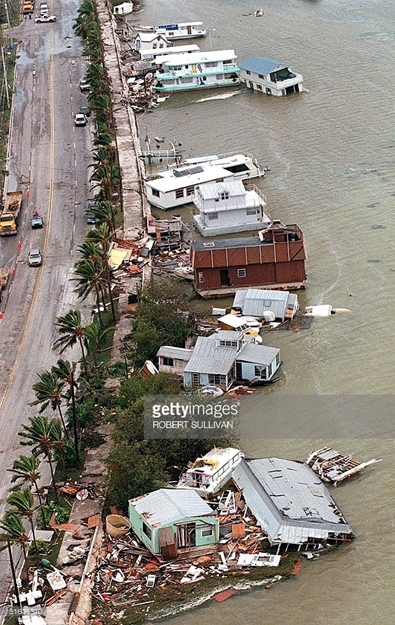
Nowadays, Houseboat Row looks like this:
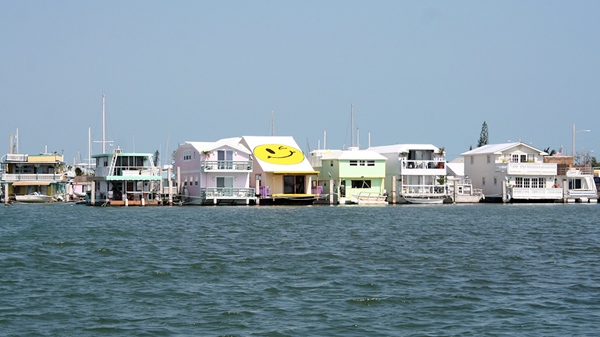
Is that winky face tempting fate? Is he squinting into the sun? Or did a seagull just make bad-bad on him?

Members of a Moscow polar bear club tempt frostbite on their toes while preparing for a dip in icy waters.

While some of you are being inundated with rain this week, central Texas will remain 102 with not a chance of rain–and not a chance of me going outside.

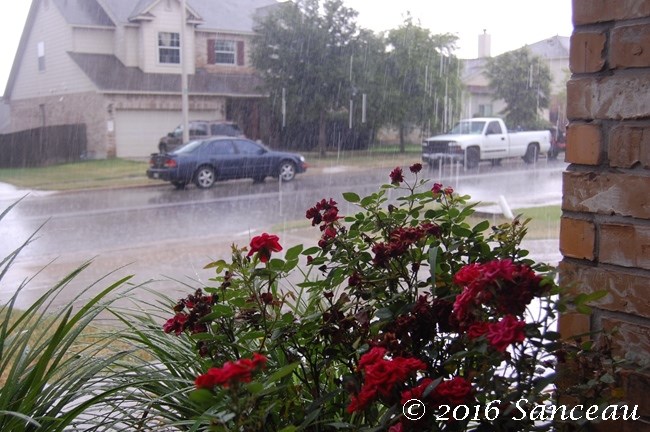
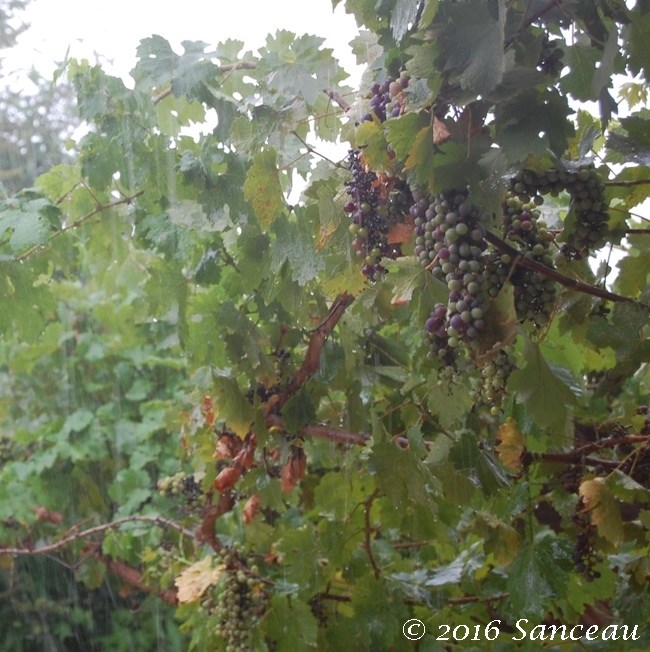
We’re getting a nice little afternoon shower today. When so many summers of the past have proven rainless, we’ll take any we can get!
 I Don't Get It