
“Indian in Cherokee, NC, in the Great Smoky Mountains, helps adjust a becoming warbonnet.”
“Indian in Cherokee, NC, in the Great Smoky Mountains, helps adjust a becoming warbonnet.”

Pullman ad
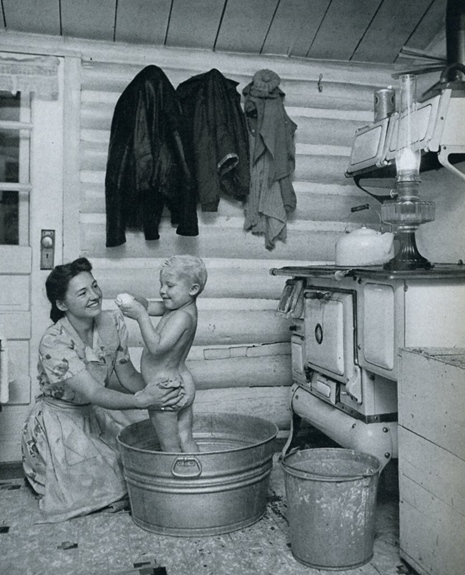
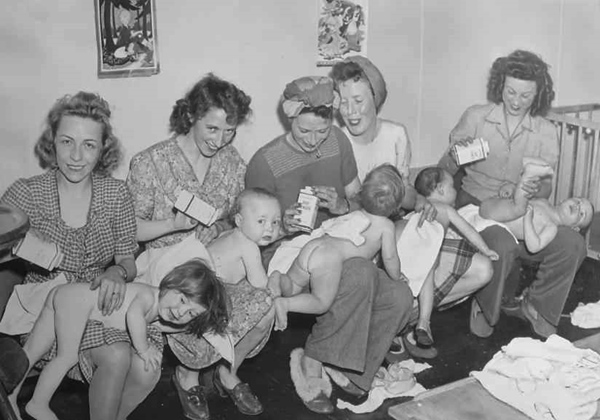
This Northwest Angle, Minnesota mommy suds up her baby on a Saturday night in a metal basin near the kitchen stove.
Back in 1933, my grandfather wrote away for information about the upcoming 1934 World’s Fair. Today I opened the brochures inside the envelope. He was only a teenager at the time, so the idea of travelling from Kansas to the World’s Fair must have been intriguing. I doubt he wound up going.
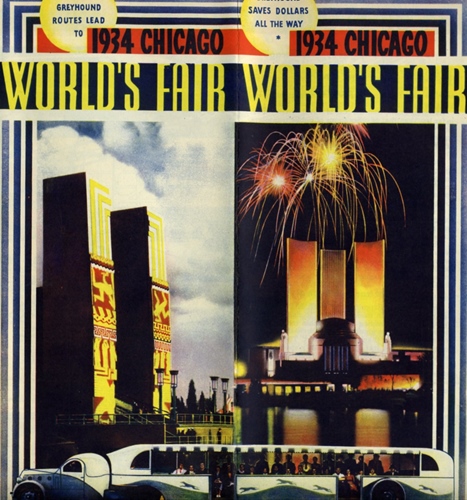
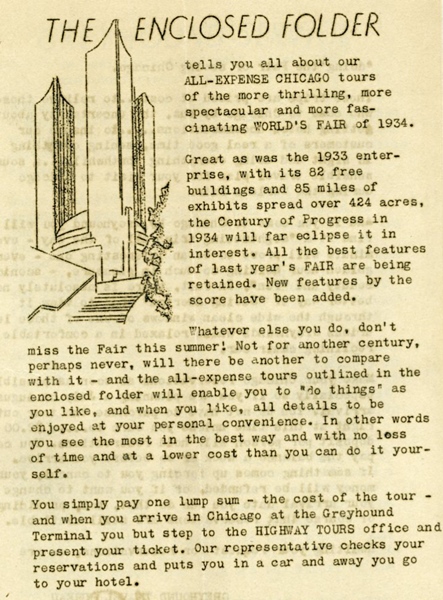
Various “circle tours” were listed, including these:

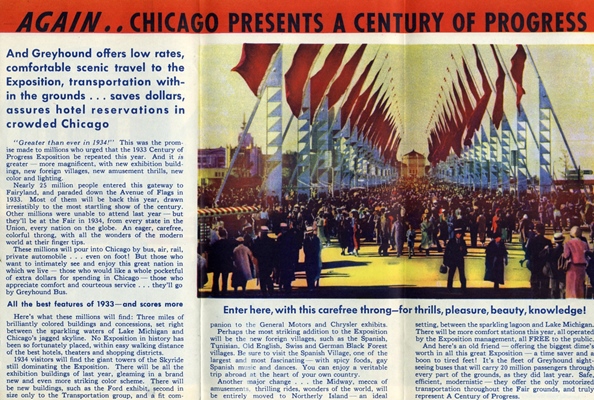


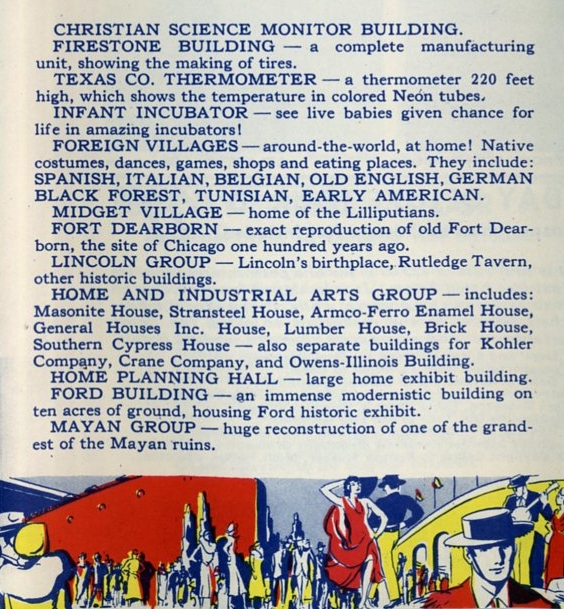
Included was a list of all the sites and sounds to enjoy. 
Zooming in, you can see the variety, from tiremaking and Neon tubes to midgets to Mayans!
All aboard the sightseeing, streamlined Greyhound bus!

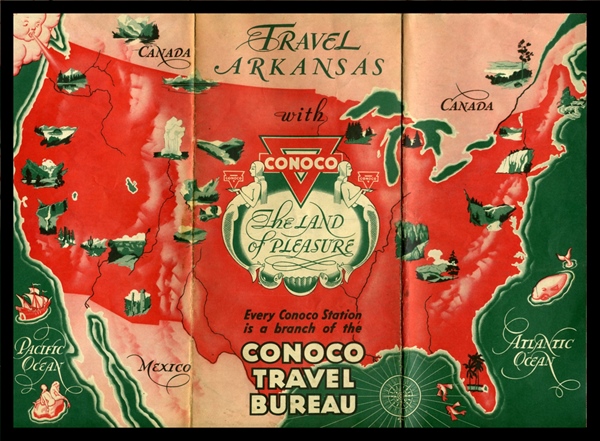
How about the vivid colors on this 85-year-old map, eh? Bright and sparkly and looking brand-new.
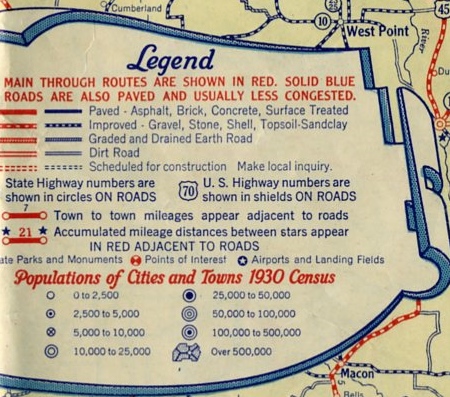
Take a gander at that one again. The icon they show for the largest population only shows over 500,000. But that was in 1930, when none of us was alive to fill the census count.


STAFF SERGEANT GEORGE TALBERT OF 3RD BATTALION, 18TH INFANTRY REGIMENT, 1ST INFANTRY DIVISION, ON THE LOOKOUT FOR GERMAN TROOPS IN A FOREST NEAR SOURBRODT, BELGIUM DURING THE BATTLE OF THE BULGE – 19 DECEMBER 1944
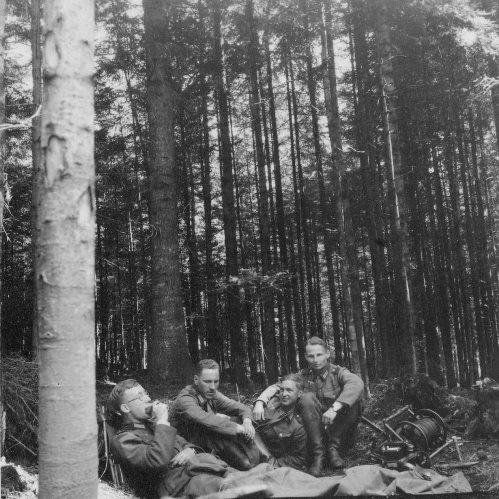
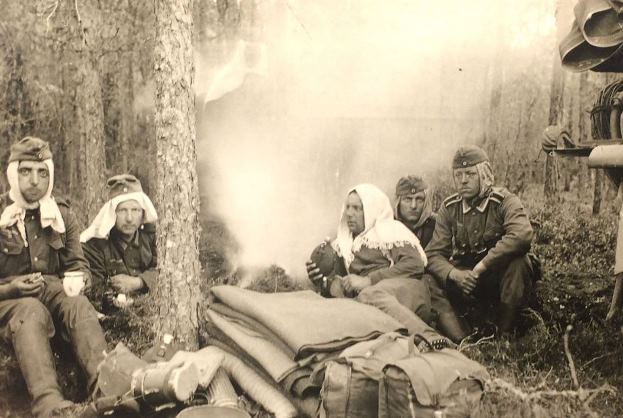
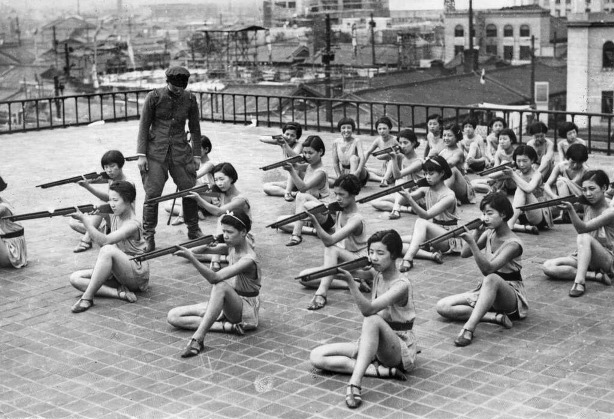
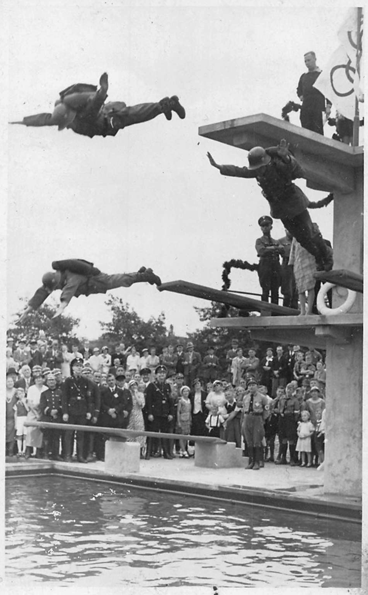
Histomil is a great site full of thousands of WWII images, capturing both victorious and horrific moments alike. Some are captioned like the one above, and some leave you with dozens of questions.
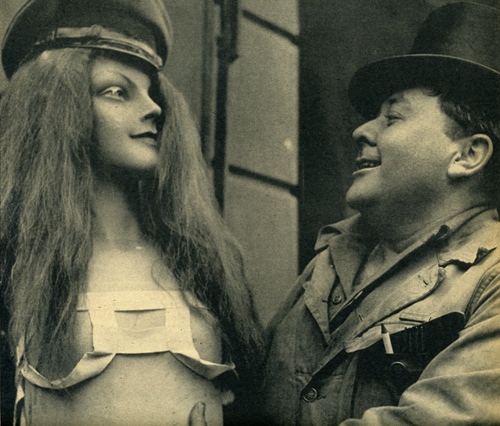
During WWII, American soldiers were forbidden from fraternizing with German girls, no matter how comely or eager. Corporal Harold Goodden could hardly resist this mannequin, replete with German officer’s cap and lustrous locks. Surely she was not harboring Nazi tendencies.
But rulebooks be damned. By 1949 (four years later) over 20,000 German war brides had emigrated to the United States to join their charming US serviceman (and to get the H out of Europe).
Italy was also the enemy, but no matter to stationed soldiers. No less than 412 brides were all aboard the liner Algonquin in this shot. Clearly there was more than “fraternization” going on.
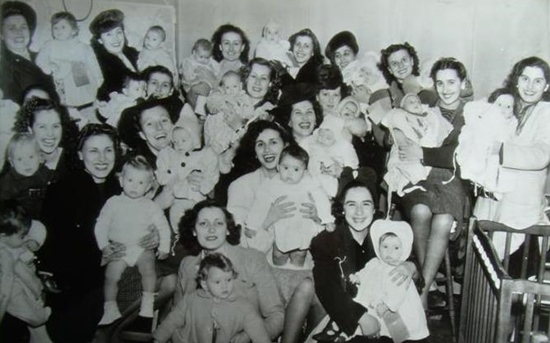
Women from many nations soon found the US to be home. An estimated 100, 000 UK women, 1,500 hundred New Zealand women, and 15,000 Australian women married American soldiers and moved to the US as well.
Ireland was neutral during WWII, and evidently Irish lasses were not immune to the charms of American soldiers. Exactly one year after the above picture was printed, these Irish war brides set sail for a new life in New York, where their babies would be introduced to their American fathers.


Nameless pretty girl and P.O. Fryklund, curator of the Roseau County Historical Society in Minnesota, test the sound of the “bass viol for two.” I can’t imagine them making beautiful music together but you never know.

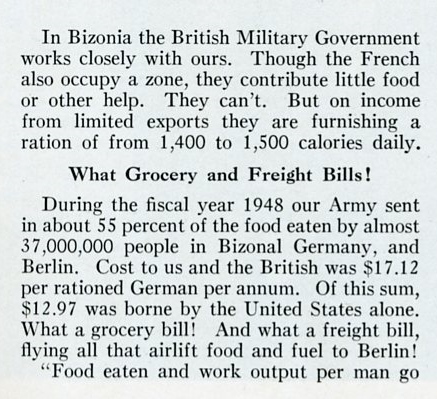
In January of 1949, National Geographic profiled the status of American taxpayer money sent as aid to war-torn Germany, and more specifically “Bizonia,” the American and British-occupied areas. By 1947, it had become clear that the Soviet Union would not allow free, multiparty elections throughout Germany, so the Americans and British forces united to foster economic recovery. Millions of American dollars went to implement the Marshall Plan, under the general name of European Recovery Program (ERP).
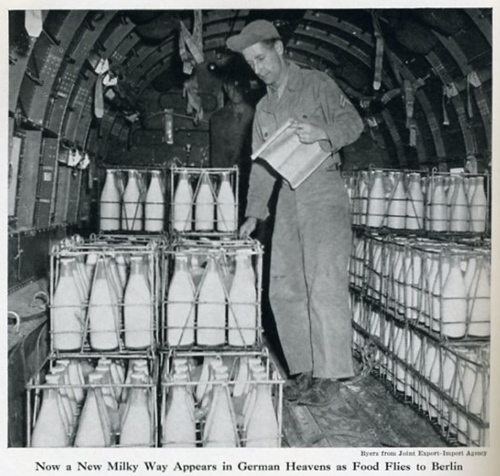
Below is Corp. Arthur Campbell, checking fresh Denmark milk being flown from Wiesbaden to the old German capital of “cold, sick, and hungry Berlin.”



Today I read on Pollie Bland’s site that an “antique” is something made 100 years ago or more (like the still-going Olivia de Havilland and Kirk Douglas), “retro” refers to anything that looks out of style for the current time period, like 1999 light rinse jeans (not technically vintage), and “vintage” is something 20 years or older, like most of your memories. So the 70s can’t be called “retro,” because they are actually twice vintage.

 I Don't Get It