
Happy new mama and gruff bodyguard at the Hoopa Indian Reservation in 1896.
For more information on Hoopa peeps, visit https://www.hoopa-nsn.gov/, whose site states: “Serving the people since time immemorial.” That’s a long time.
Happy new mama and gruff bodyguard at the Hoopa Indian Reservation in 1896.
For more information on Hoopa peeps, visit https://www.hoopa-nsn.gov/, whose site states: “Serving the people since time immemorial.” That’s a long time.
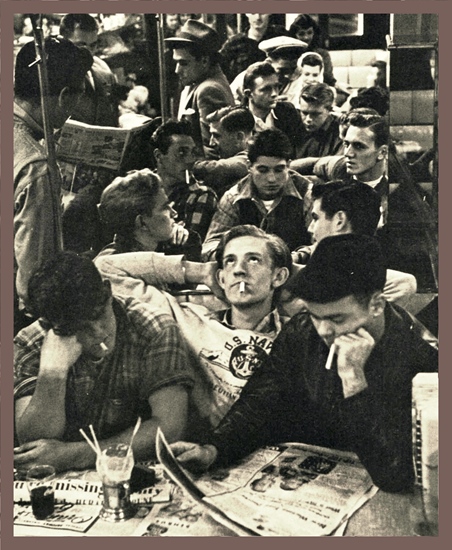
The lucky servicemen who returned home from WWII not in a box often brought home nicotine addictions, PTSD, and not a clue as to where to go from here. Within a year of the end of WWII, six million GIs had drawn an average of two months’ unemployment benefits, calling themselves members of the 52-20 Club, so named for the unemployment pay of $20 for 52 weeks granted discharged servicemen. Rather than quickly return to work, some men (like those in this Long Island soda shop) spent some downtime reading the paper, sipping malts, taking a drag, and sometimes–reassessing.
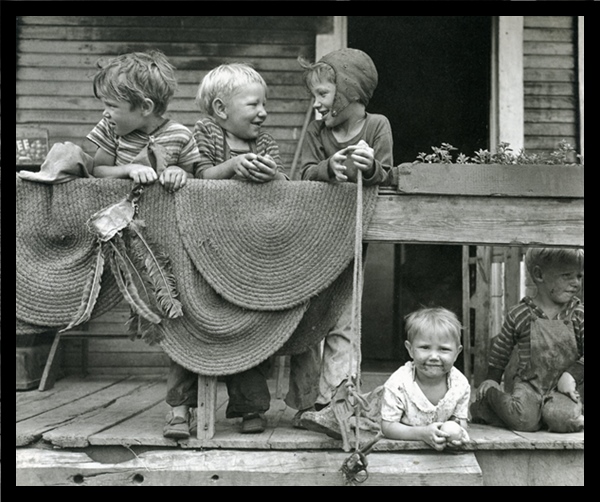
You may have seen some of Russell Lee‘s fantastic images before. This is one of my favorites. Lee passed away in 1986 here in Austin, Texas, and this year, the former Lee Elementary was renamed Russell Lee Elementary in honor of the photographer, replacing the original namesake, Robert E Lee. I don’t have to ask why they are phasing out anything named in honor of Confederate generals; I imagine it is all part of the collective disappearance of anything related to the politically-incorrect South. I understand that folks don’t like what the Confederacy stood for (including the flag); but that doesn’t mean all of its soldiers should be erased from history. I guess the offensive ideology of The Antebellum South (which can’t be boiled down to just one issue) trumps honoring any of their leaders’ military strengths. In any event, I’m not in charge, and Texas isn’t even part of The South. I got no dog in this hunt; I just love chunky-faced kiddos, and the mutual expression those two boys are sharing.

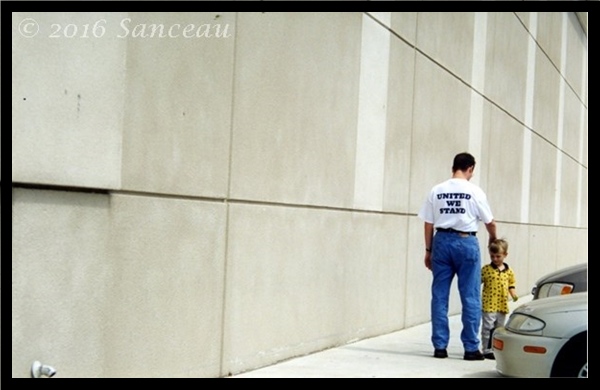
I used these images in a post from several years ago, but they are still powerful on this 15th anniversary of 9/11. For the rest of the pics, click here.


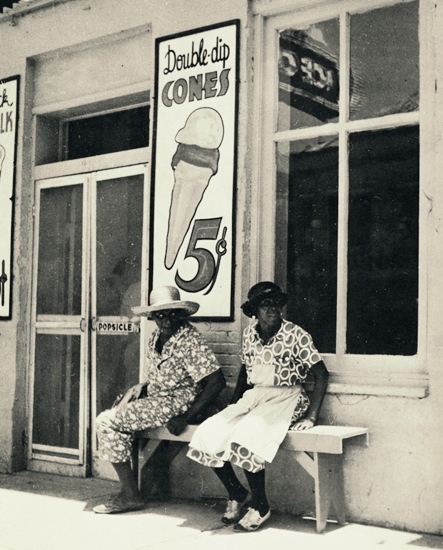
These two ladies keep their eyes peeled for cooler weather (while wearing fabulous hats and dresses) on the kind of day that warrants nickel ice cream. I know it will arrive later this month, the glorious season of fall. But I also know it won’t feel like fall until Halloween. Still, I can see it on the horizon, and what joy that brings!
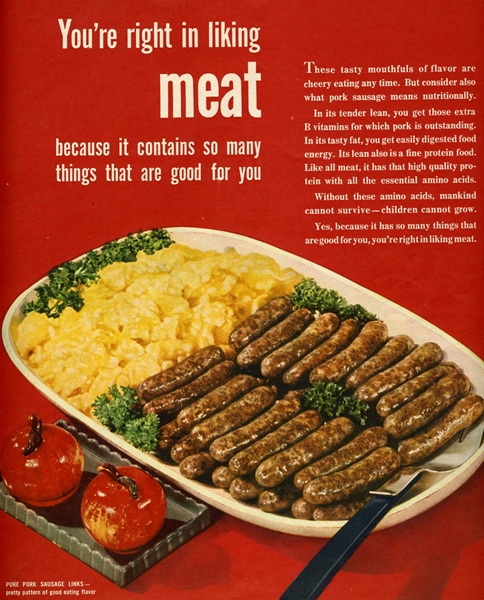
As I read that aloud, I can hear the man’s voice saying it. I wonder if you hear it, too? That typical 50s voice. “Why, Dick and Jane even give their dog, Spot, sausage and eggs every day, and he’s never felt better!”

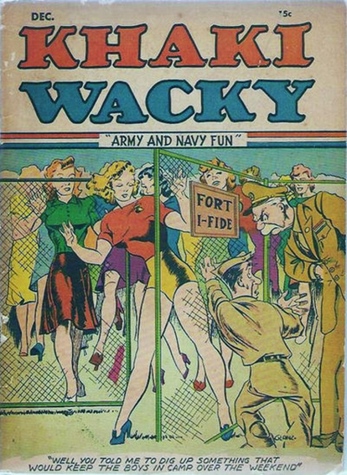
Back in the day, khaki wacky meant boy crazy. It appears that this doll has gotten hooched up on Borden’s milk and lost her inhibitions. But who could blame her? The nifty fellow on the left is so brawny and statuesque, while his bold-collared pal is sporting a buck sweater that no gal could resist.
And I’m serious about khaki wacky. It was even a series of comics.
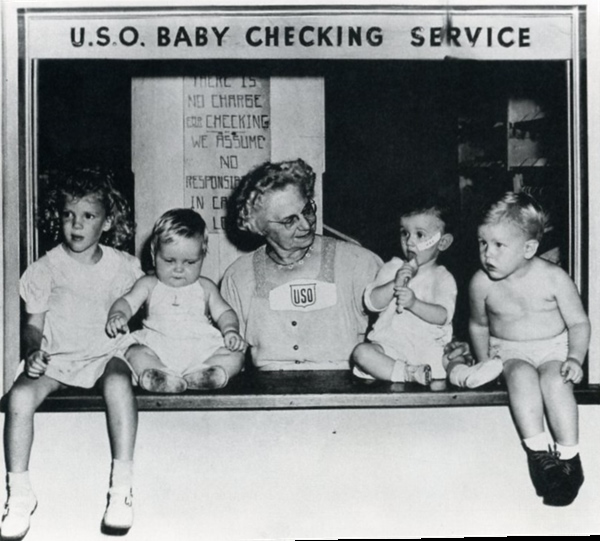
Soldiers on leave could check their children with this woman (at a somewhat precarious-looking early day care) to enjoy a night out with the wife.
Below is the YWCA Honolulu building Service Women’s Lounge for women serving in the war.

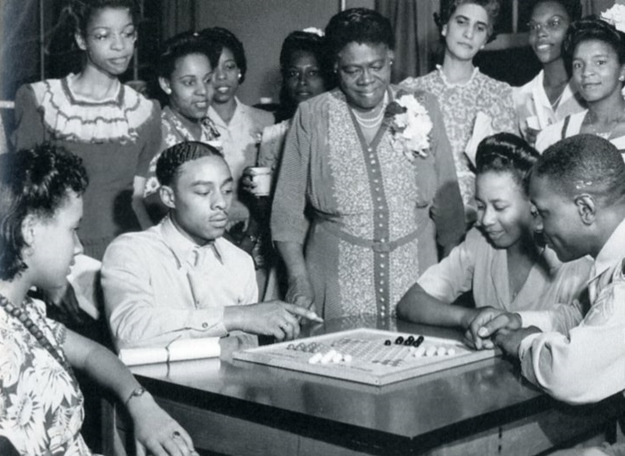
Among these nattily-dressed women is Mary McLeod Bethune, president of the National Council of Negro Women. She is supervising a USO game of Chinese checkers.
Soon, celebrities would begin to entertain the troops. The first was Joe E. Brown, whom you may recall from last month’s post, Ripped At Sixty. He was the first Hollywood star to tour front-line bases, including Alaska and the Aleutians in 1942. Sadly, that same year, his own son was lost when his A-20 Havoc crashed during pilot training.
Here Joe signs a bomb.

Brown was one of only two civilians to be awarded the Bronze Star in WWII. But by far, the name most connected with the USO was Bob Hope, whom we’ll spotlight tomorrow.

With its clubs and other activities, the USO not only served the needs of America’s men and women in uniform, bu also provided an effective means of channeling civilian volunteer efforts. By the war’s end in 1945, over 1.5 million Americans had contributed their time to the USO. — Always Home:50 Years of the USO
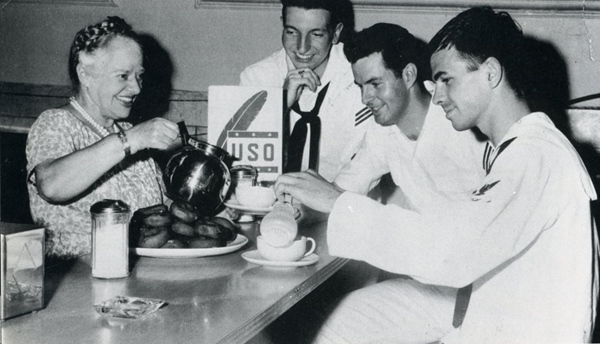
It felt good to provide a service to those who served in the war. These Navymen are enjoying coffee and doughnuts at the San Francisco USO.
Never underestimate generosity and gratitude.


