 The war was over. Johnny came marching home. This one did anyway.

Celebrate good times. Come on!
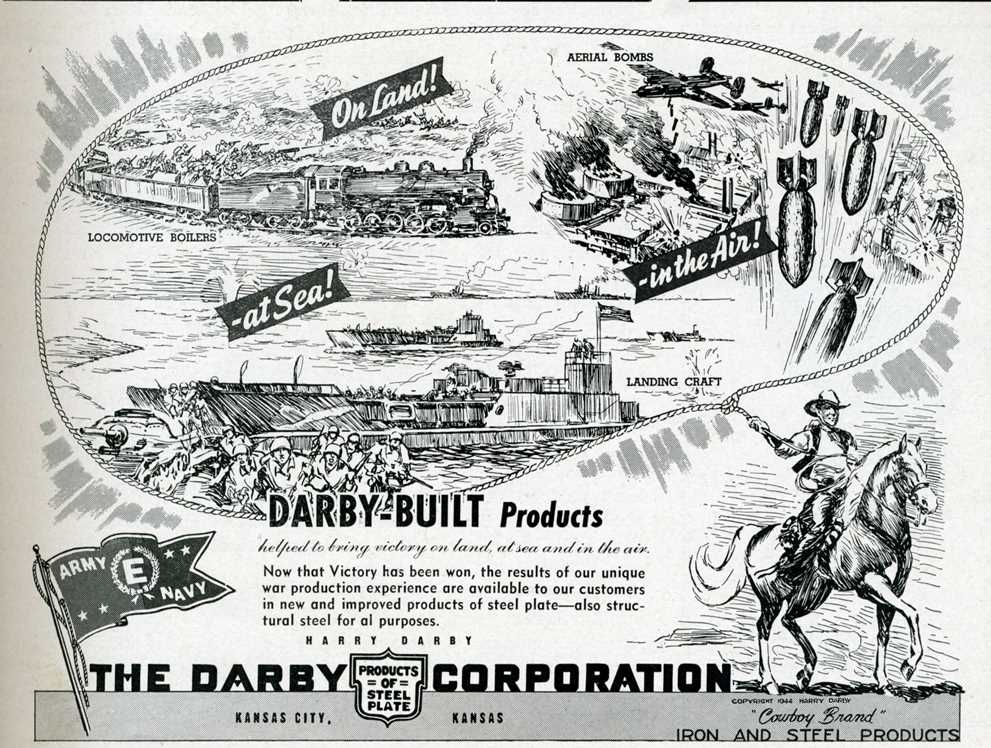
 “Victory has been won.”
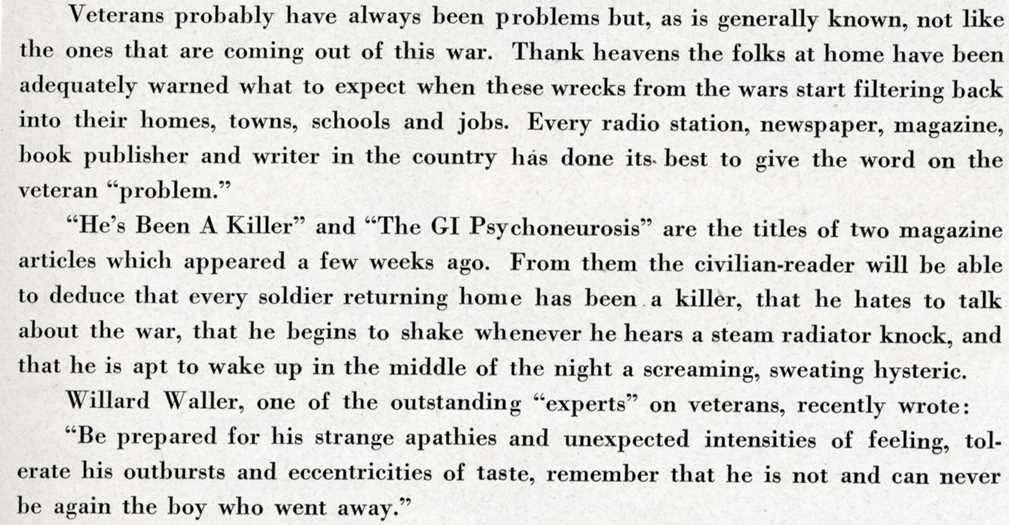
But here comes PTSD…
The war was over. Johnny came marching home. This one did anyway.
Celebrate good times. Come on!
“Victory has been won.”
But here comes PTSD…

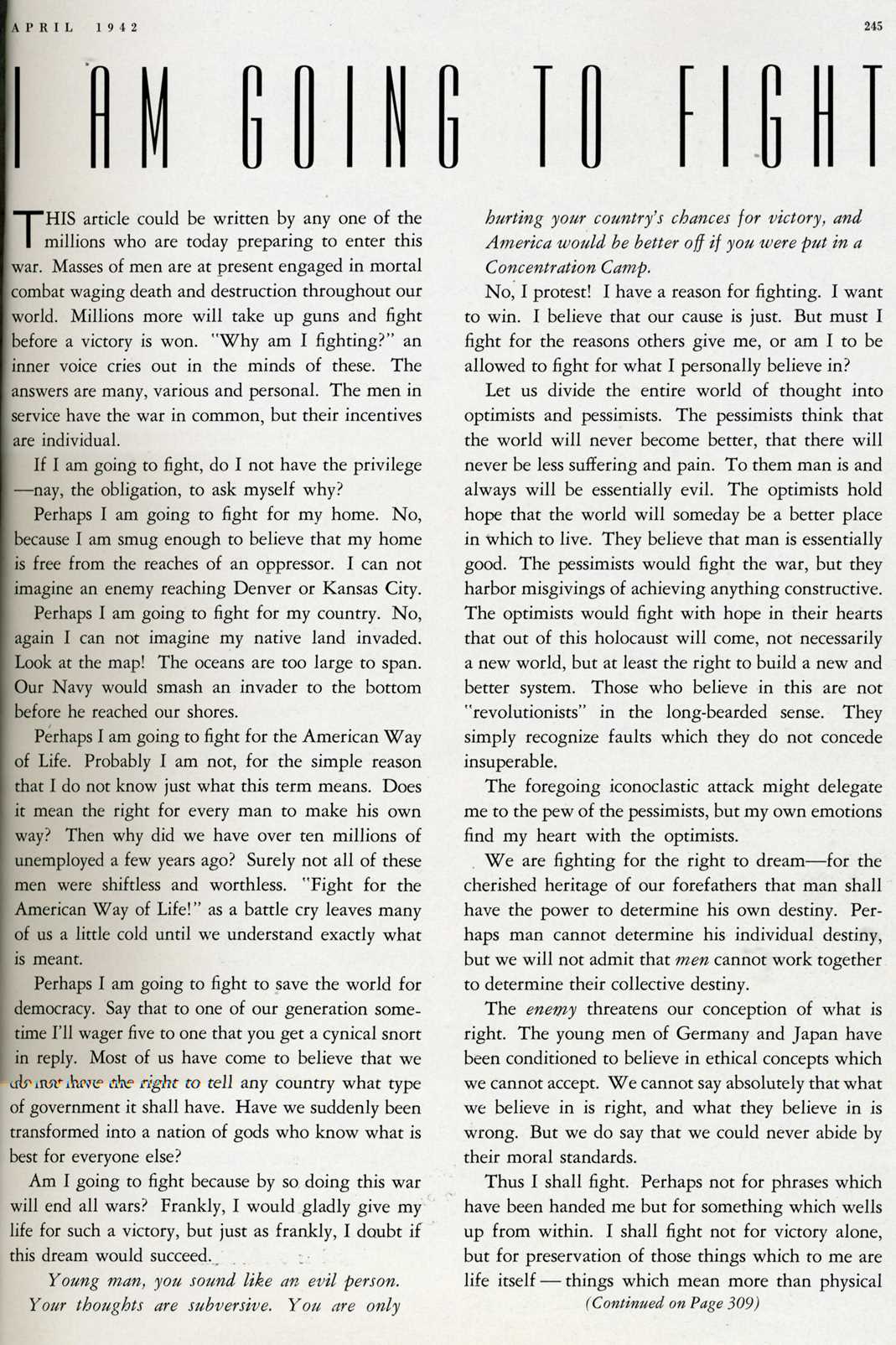
Yep, it’s another letter from a student going off to fight in April 1942, a few months the attack against Pearl Harbor.
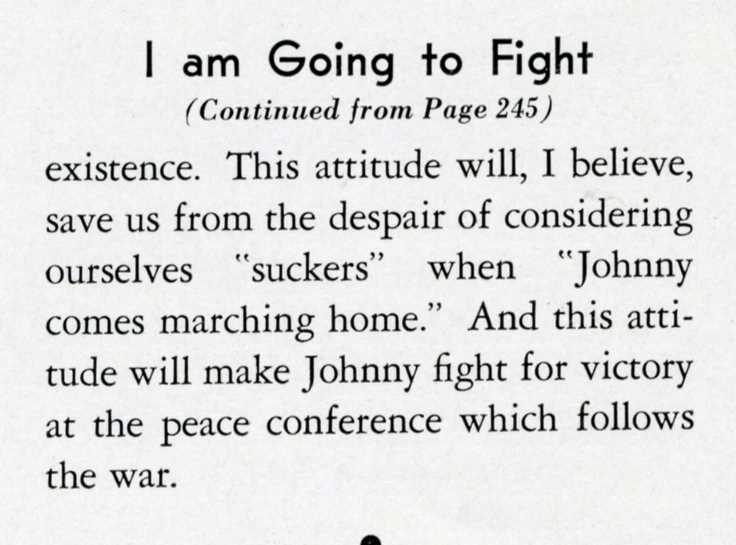
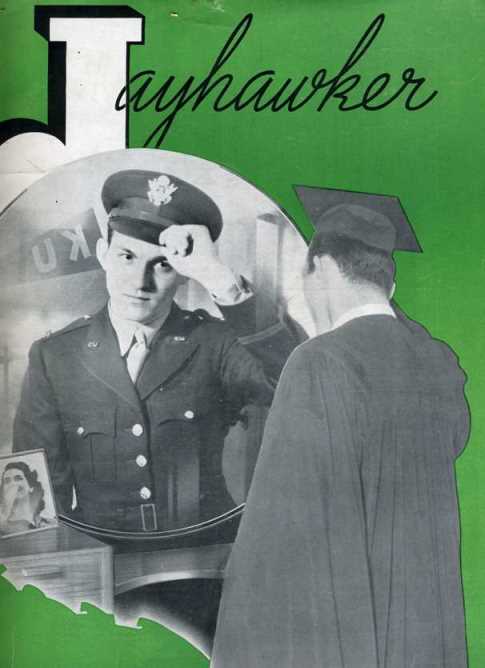
In 1943, the USA was smack dab in the middle of WWII, and graduating college students were faced with the inevitable: enlistment. A cartoon in the Jayhawker magazine shows the four steps awaiting them: graduation and swearing in…
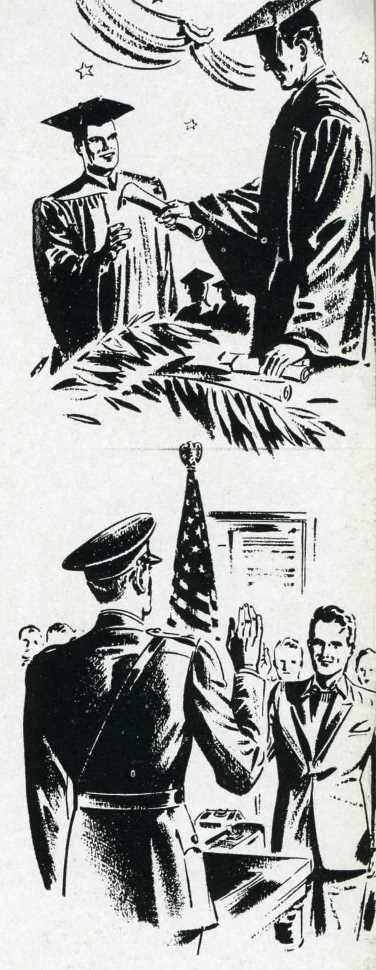
…securing fatigues and heading into combat.
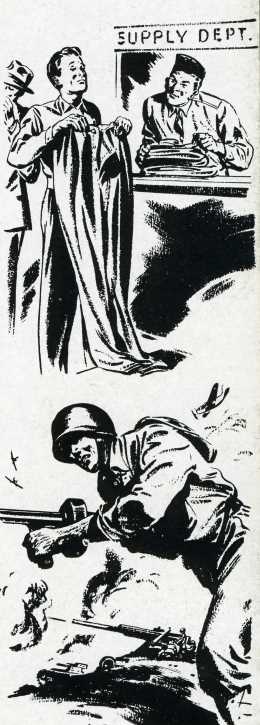
How frustrating it must have been to finally achieve graduation, to fill your head with knowledge, only to enter a war where it may be blown off.
John Conard, Editor-In-Chief, shared these words:
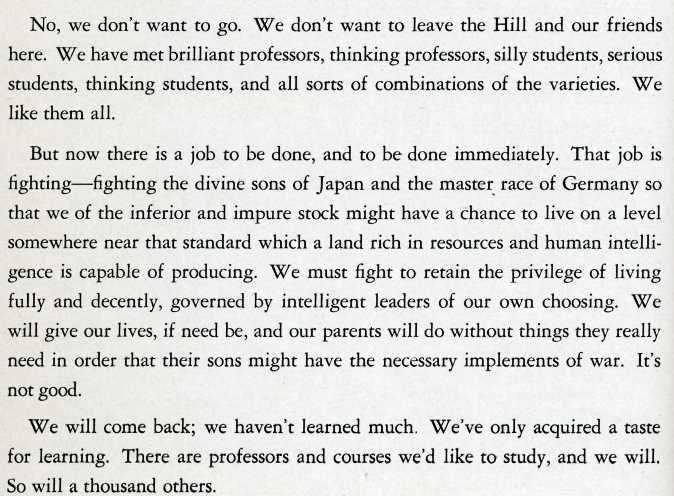
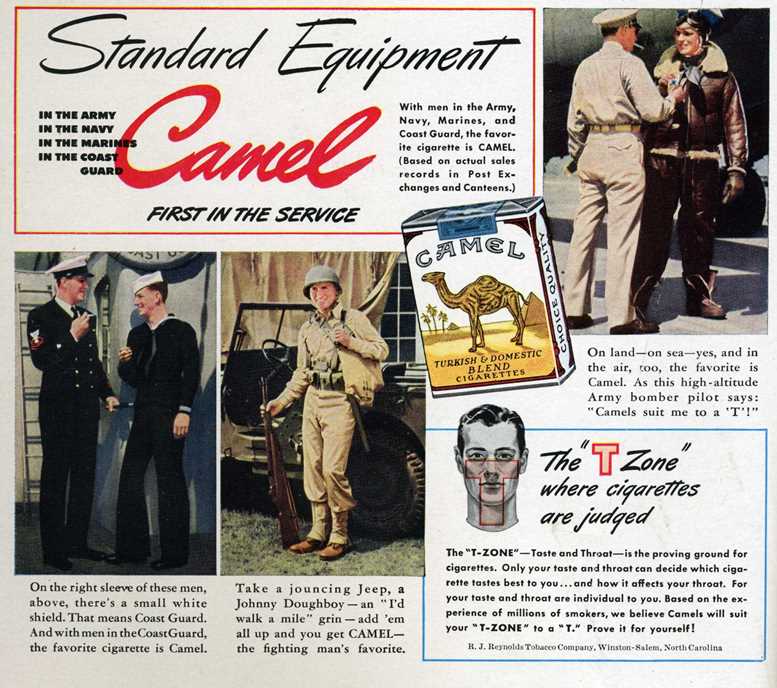
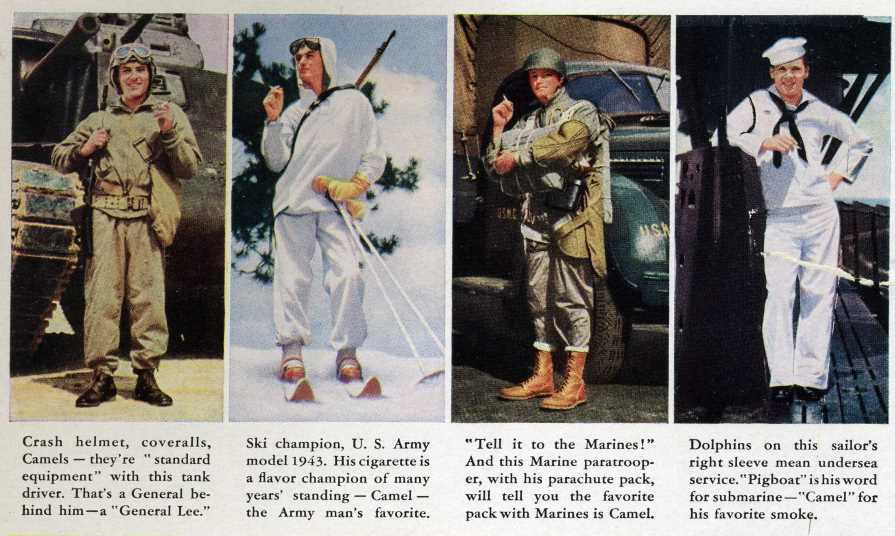
In the fall of 1945, WWII had just ended, and colleges anticipated increased enrollment from students on the G.I. Bill. Soldiers had received free cigarettes while enlisted, so it’s not surprising that the habit remained when they returned home. Tobacco companies had initially targeted the military during WWI through the distribution of cigarettes to servicemen, and by WWII, they were included in rations. The Red Cross even distributed free cigarettes to the troops.
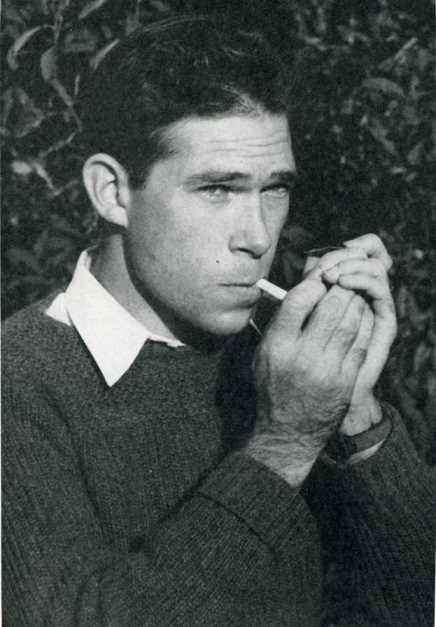
Despite mounting evidence in the 1950s of the adverse health effects of smoking and tobacco use, the military continued to include cigarettes in rations until 1975 (wikipedia). Old habits died hard. This image from the fall of 1945 shows a student lighting up before class.
Swollen enrollment meant swollen ashtrays.

Pipes were popular, as evidenced by students, as well as advertising.
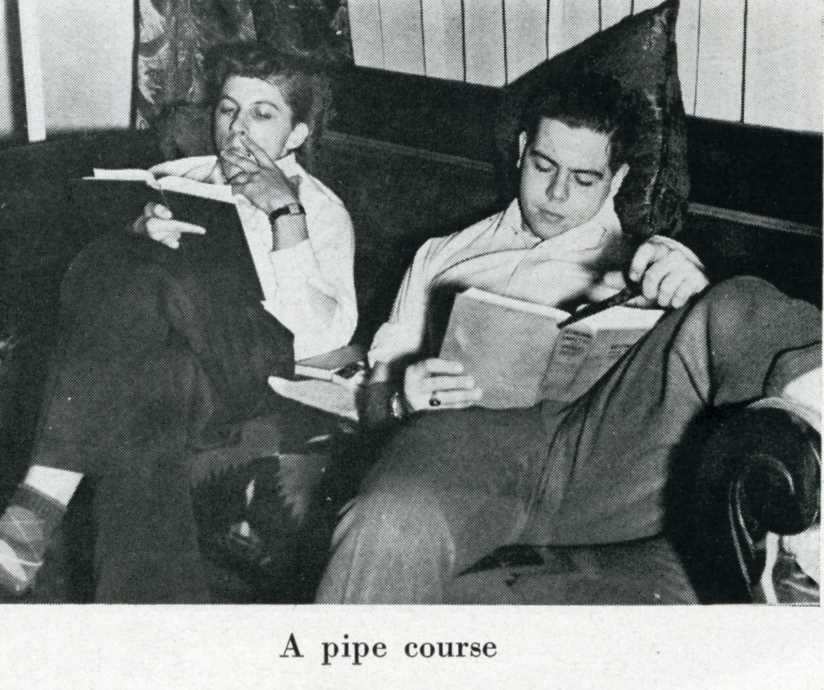
I admit it; I enjoy the smell of pipe smoke. 
Even student protesters paused for a smoke break.
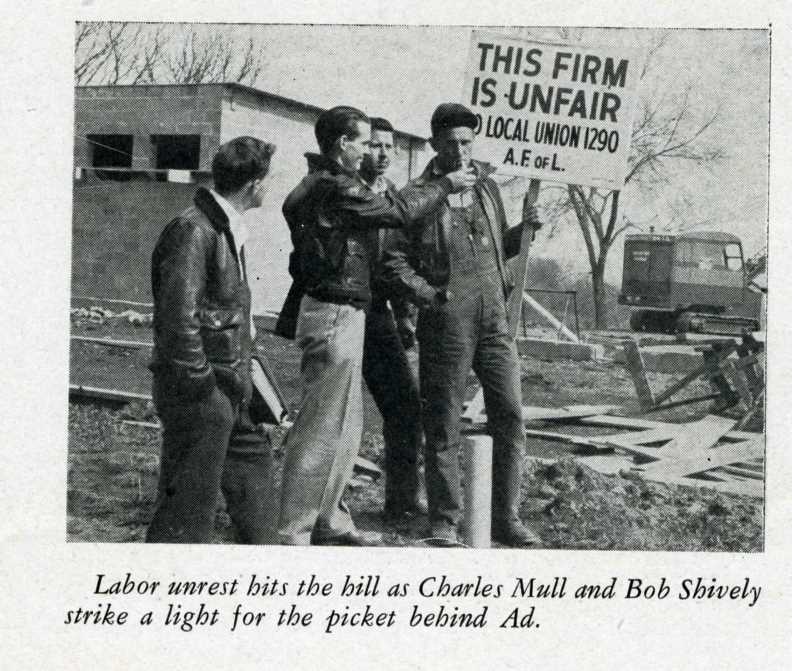
And as we know, sex sells. Hence, the cigarette girl. She was the Coyote Ugly of cigarettes.

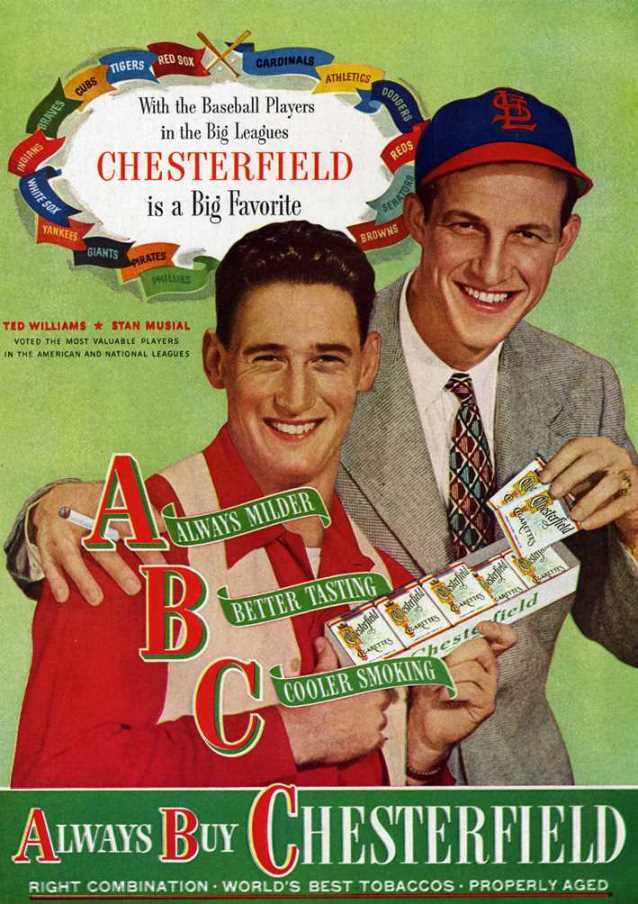
In the event that some students may have forgotten their ABCs, this strikingly colorful ad on the back cover of this Jayhawker reminded them. Chesterfield=home runs!
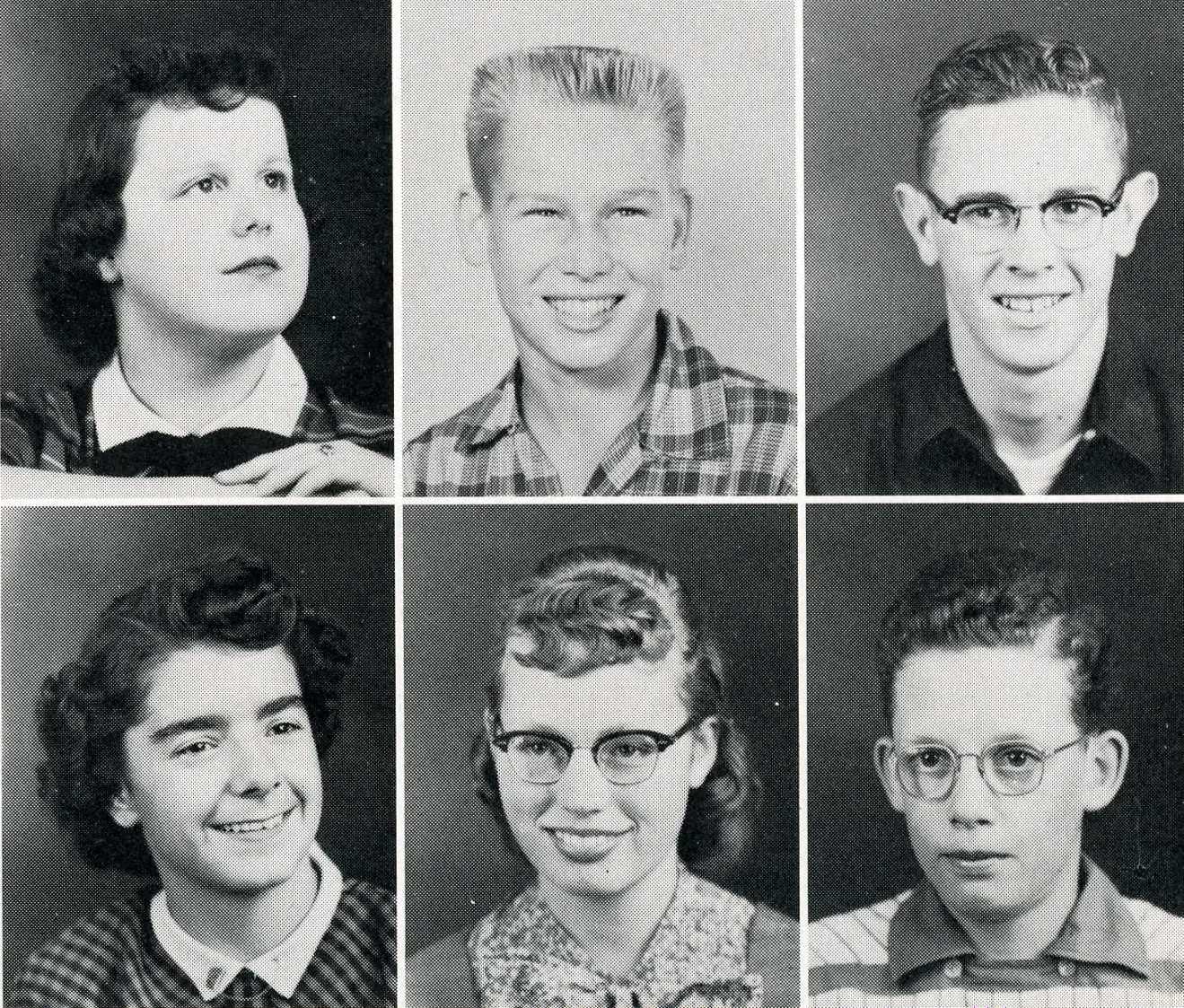
Mercy, I could take this post in any direction with this hodgepodge group of adolescents. Instead, I want to use this forum as an opportunity to discuss industrial sites and illegal waste dumping and just get a dialogue going. No, not really. I want to talk about hair. Particular the boy in the Florence Henderson top middle spot there. That is fuh-lat. A flat top, to be precise–not to be confused with a hi-top fade.

This little guy’s would-be bangs are like little frosted gravity-defying daggers. No wonder he has such swagger. He knows he’s got game.

Men from Simon Cowell to Dolph Lundgren would later sport flat top hairstyles, but not to this extent. This stiff cut brings to mind a bed of nails.

In this group, there is an obvious loser (I’m talking to you, Gay), and it’s not because she doesn’t have a flat top. John’s smiles betrays the truth and the shame of locks gone flaccid. But Larry is the boy with the flat top, and consequently–the bright future.
 But Larry’s look doesn’t just happen; a cut this tight demands vigilance, constant maintenance, even weekly visits to Floyd’s Barber Shop. Otherwise, he, too, could become like John. And those are their real names.
Ever heard of the Hindenburg? The airship that caught fire? “Oh, the humanity?” Anyway, it was named after Paul von Hindenburg, the German president who was considered the only candidate who could defeat Hitler in 1932, due in part to the power of his flat top.

Hindenburg was in fact re-elected but eventually appointed Hitler Chancellor the following year, at which point, the Nazi Party began its rise to power. If his flat top had been maintained, WWII would never have happened.
And that, my friends, is one to grown on.
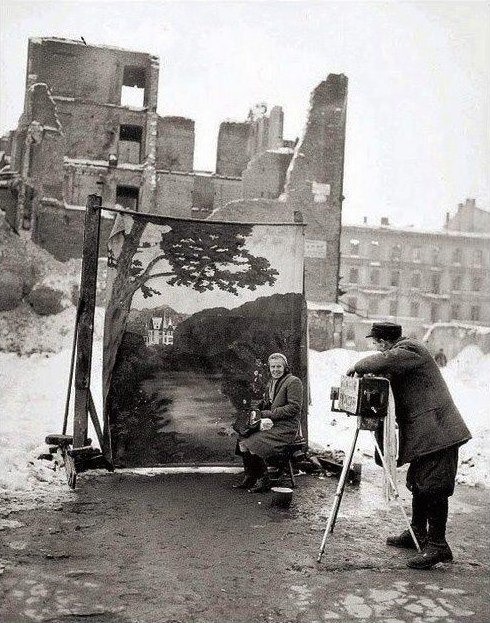
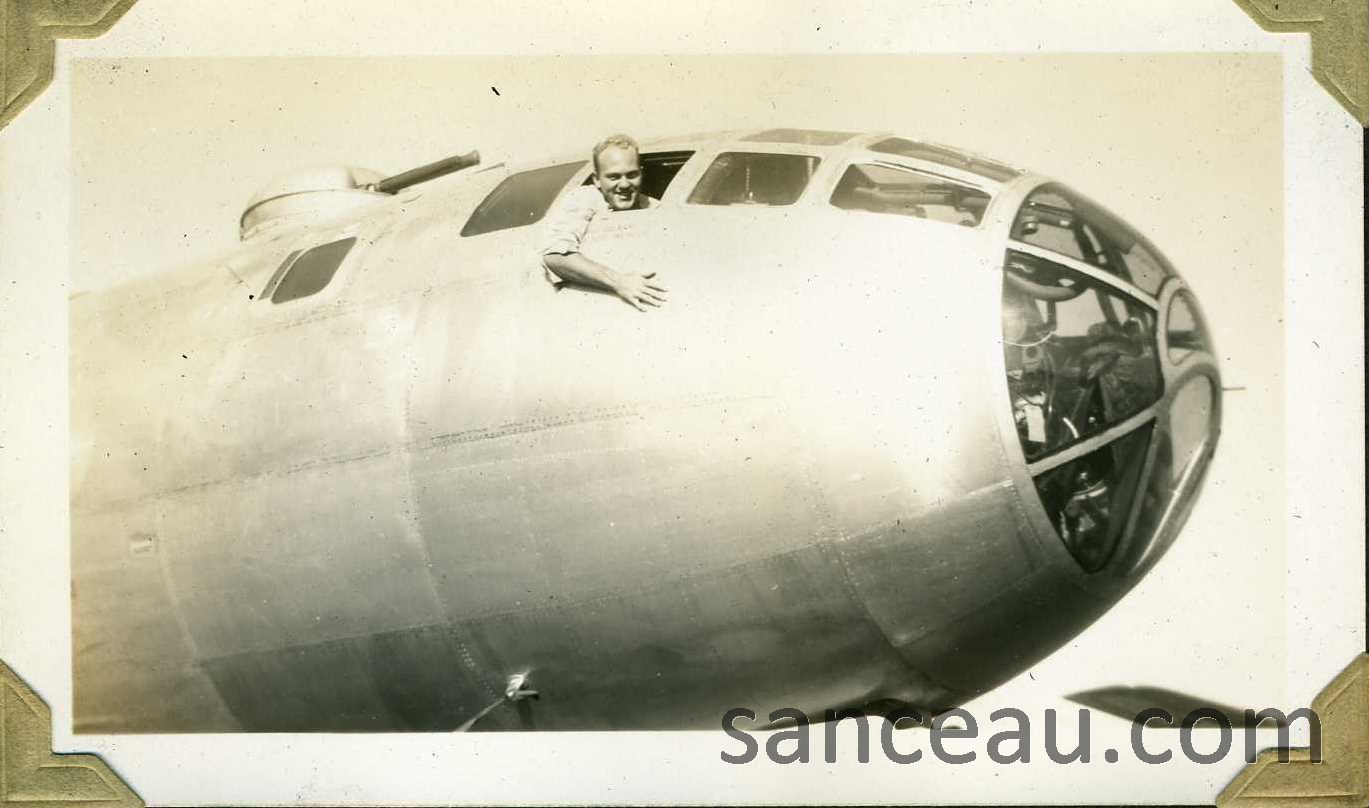 And to my great-uncle, Al, who is still going strong as well–Happy Veteran’s Day!
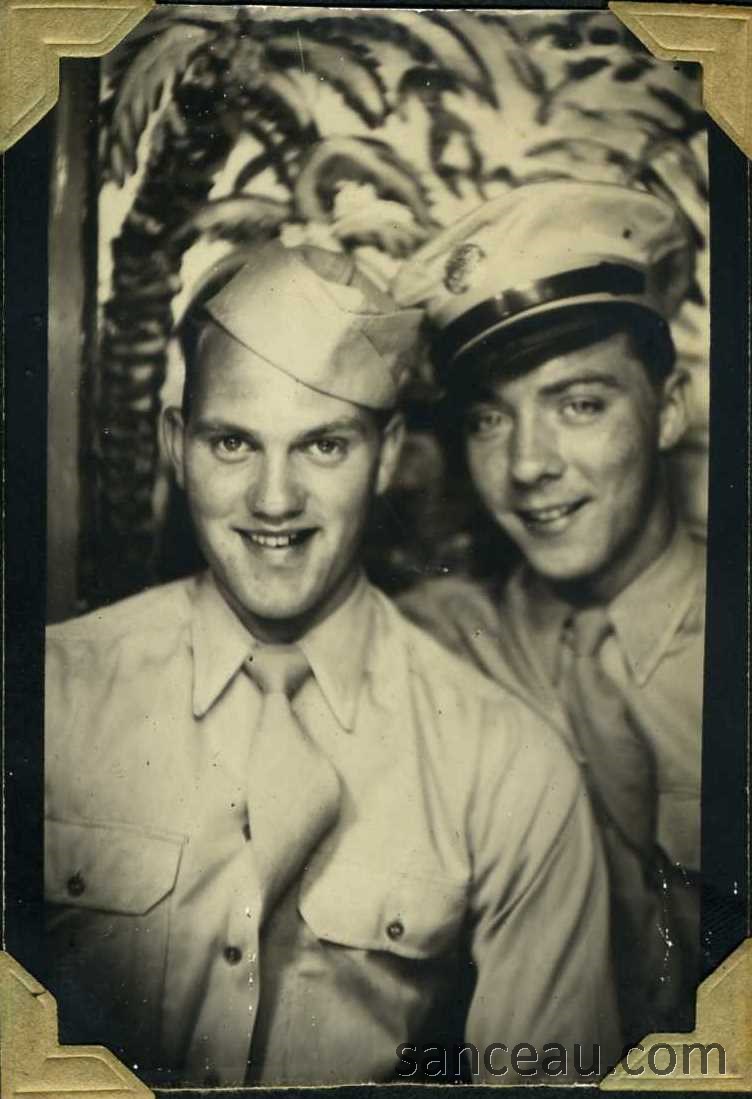
And to my 93-year-old grandfather, Happy Veteran’s Day!


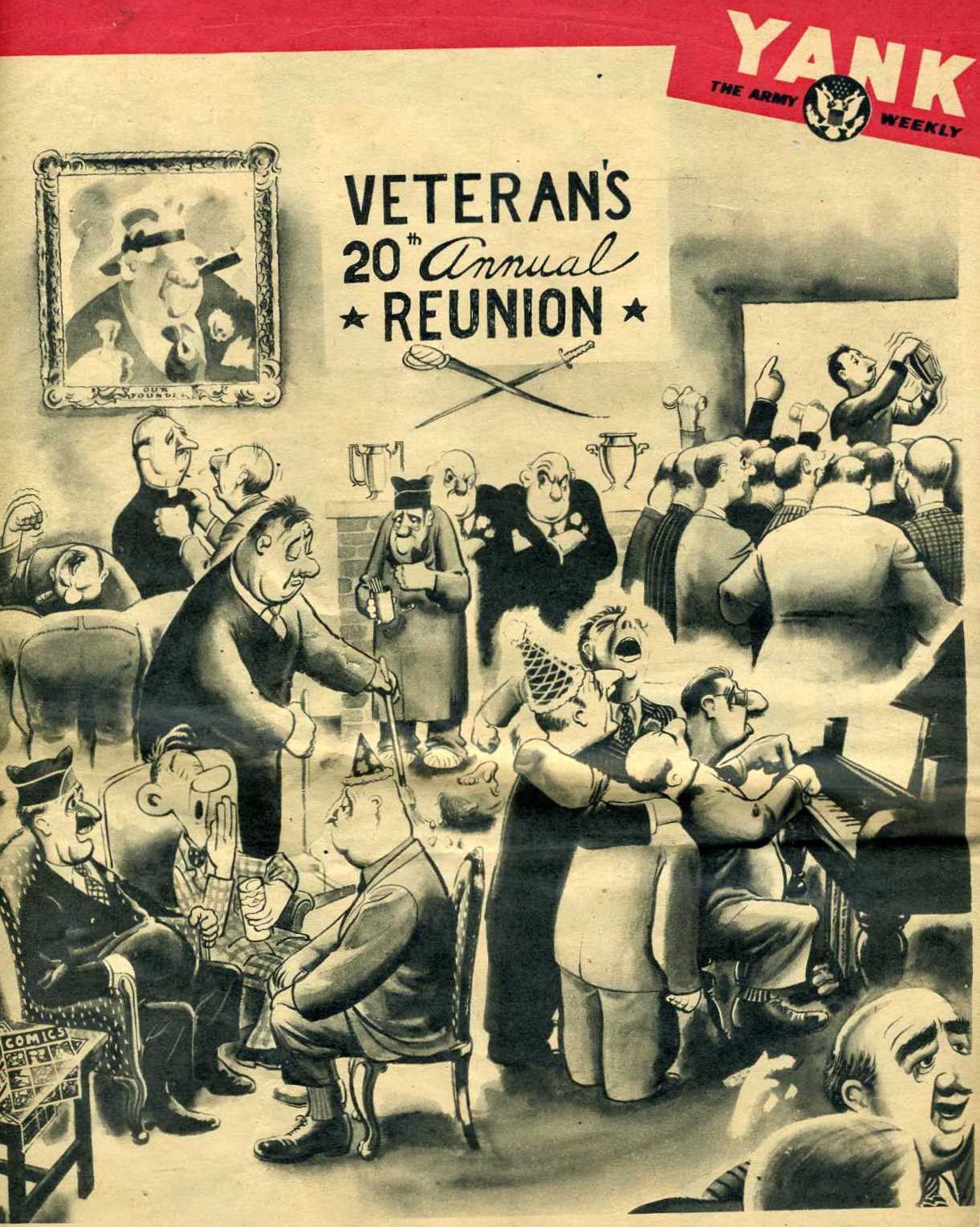
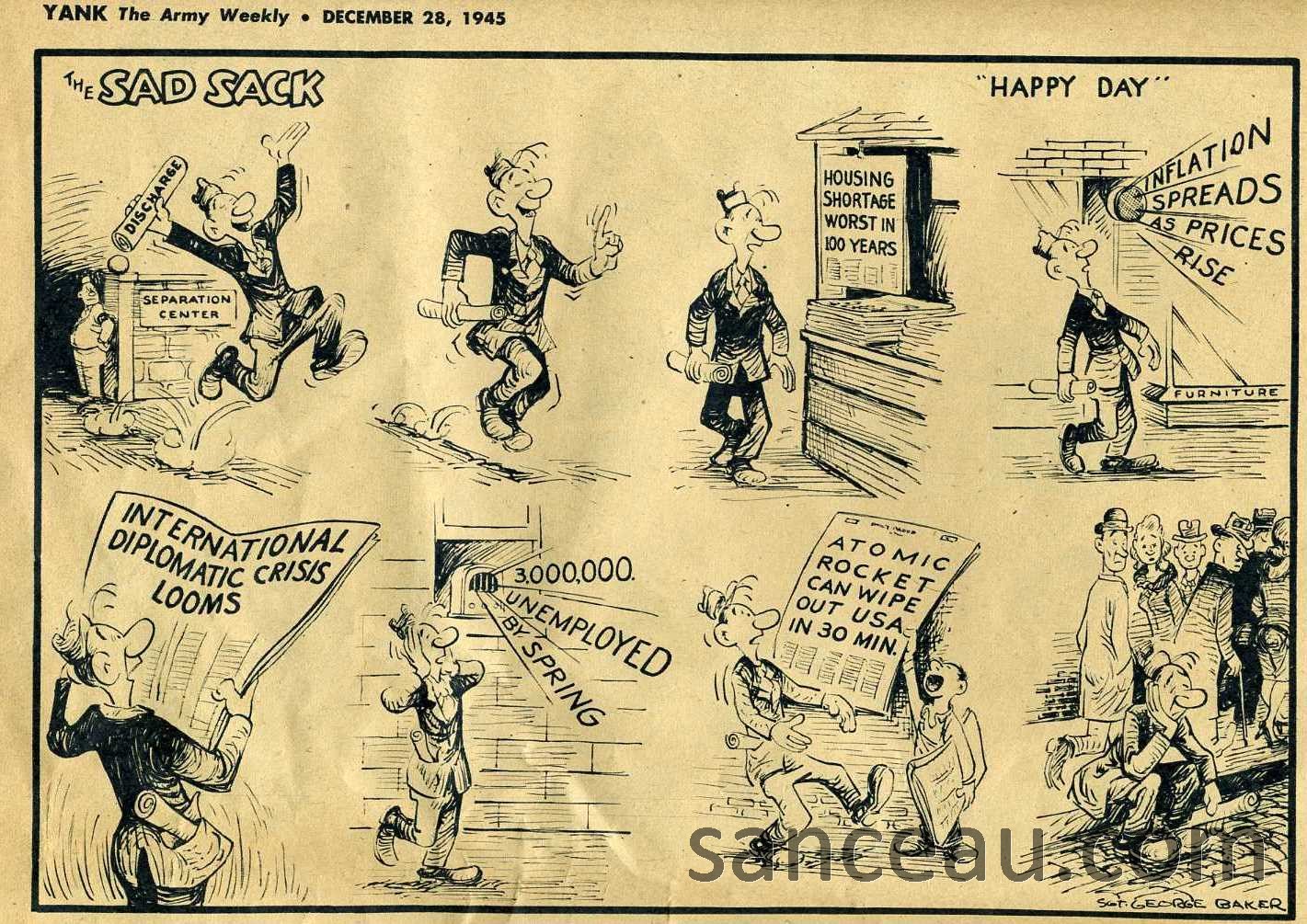
Yank addressed the realities of the American soldier in his own words, from discharge to depression, all in one panel.
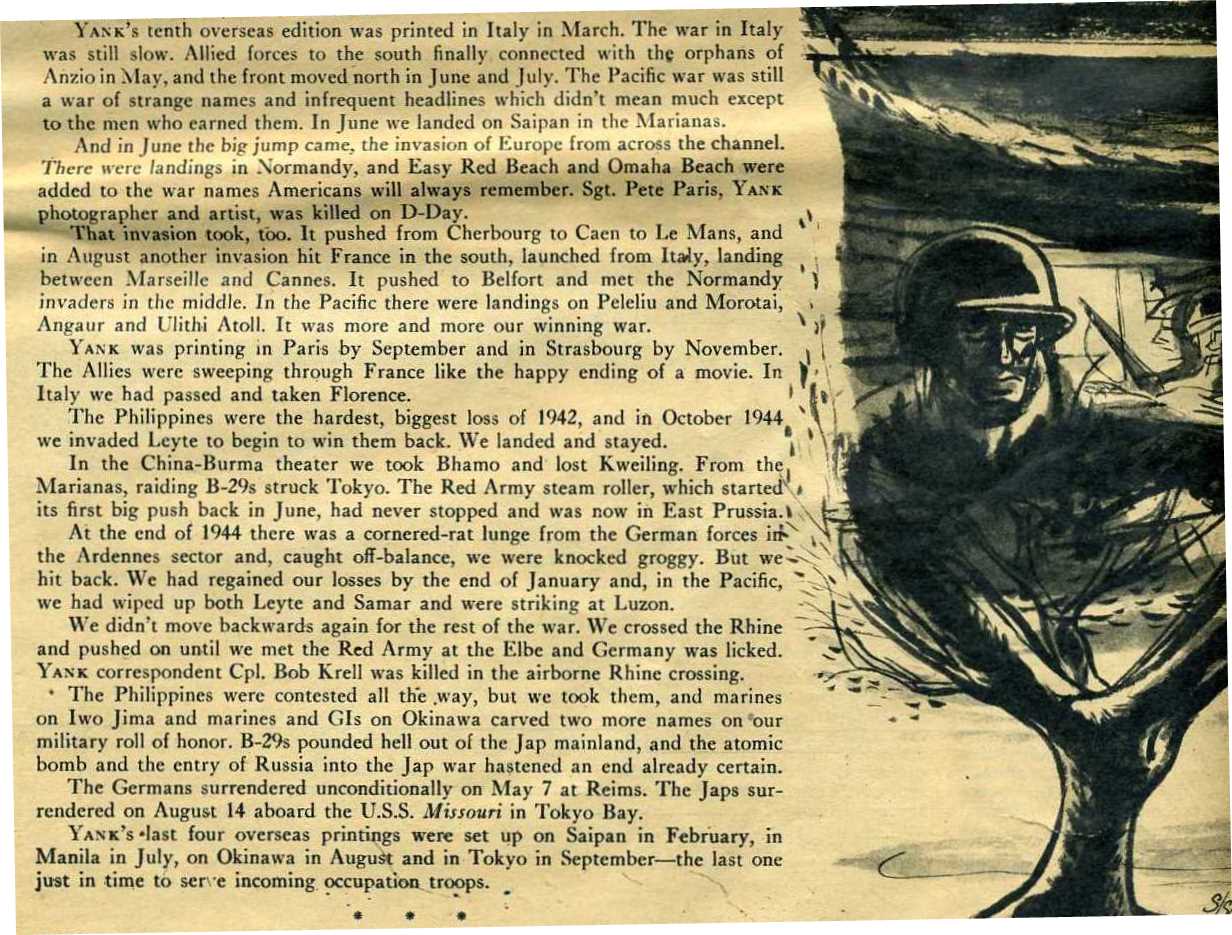
This issue summed up the progress made in the war over the past year, without mincing words (B-29s pounded hell out of the Jap mainland).
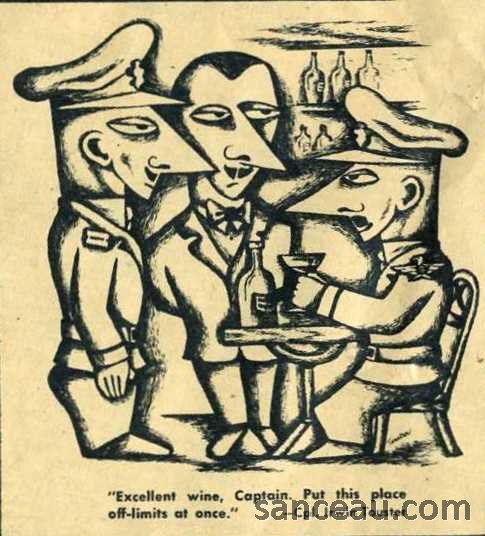
The common bond of a shared experience gave comfort to men who had been to hell and back. Humor was often the best salve.
 Here a British soldier conveys the perception of American soldiers as lousy lovers:
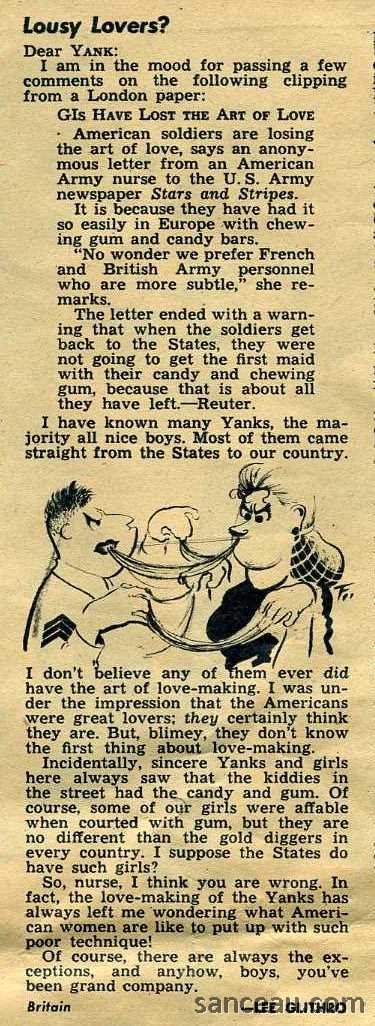
Grand company indeed.
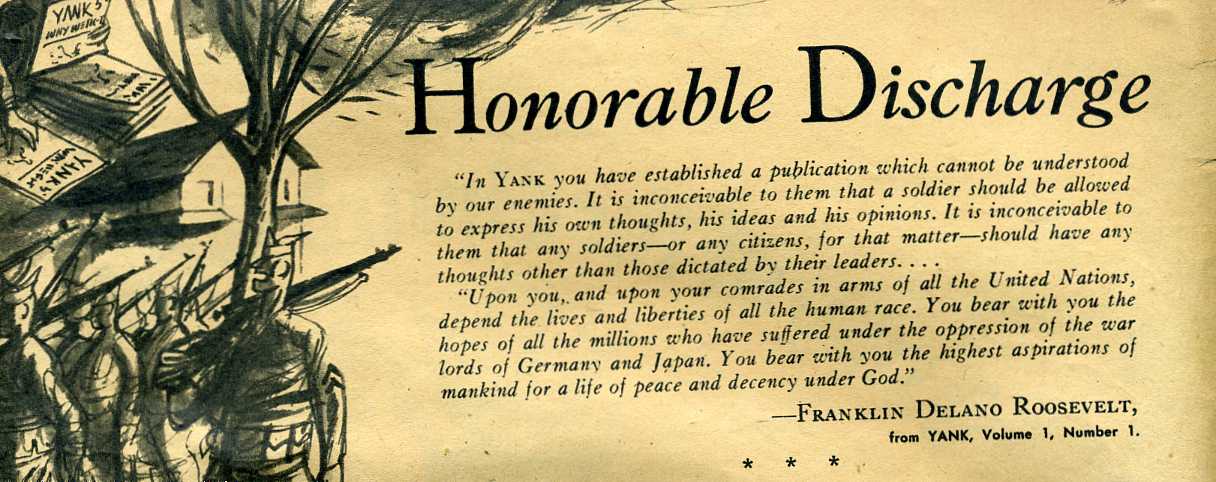
Interesting words from FDR, who had passed only eight months prior to this publication. 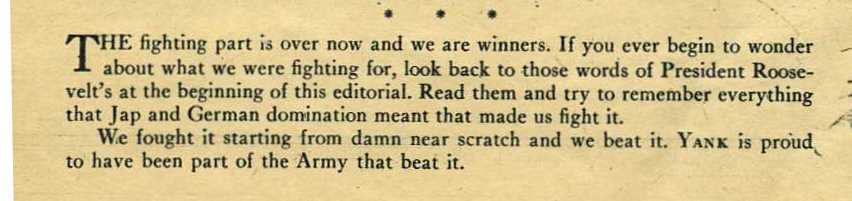
I’ve been going through some of Granddad’s WWII items, and I stumbled upon this Yank magazine, dated Dec 28, 1945. Christmas was upon the nation, and the war was over.
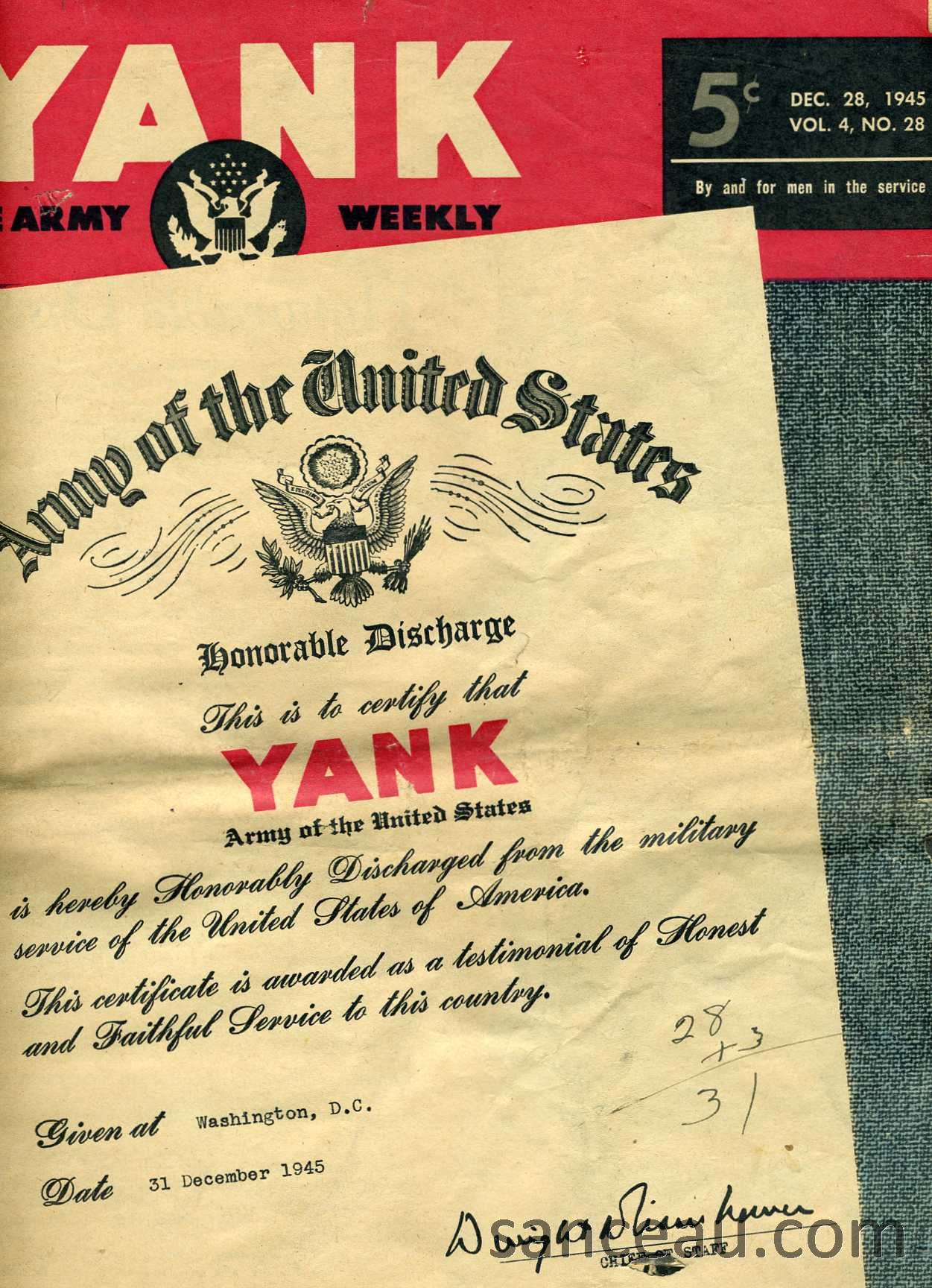
But even though the war was over, many American soldiers had yet to return home.

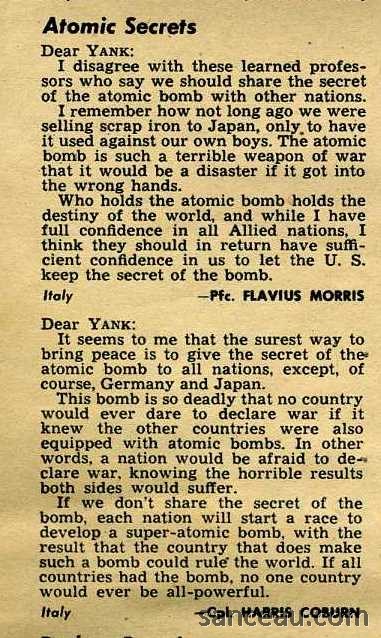
It is fascinating to read how the servicemen felt about what should be done with the secret of the atomic bomb.
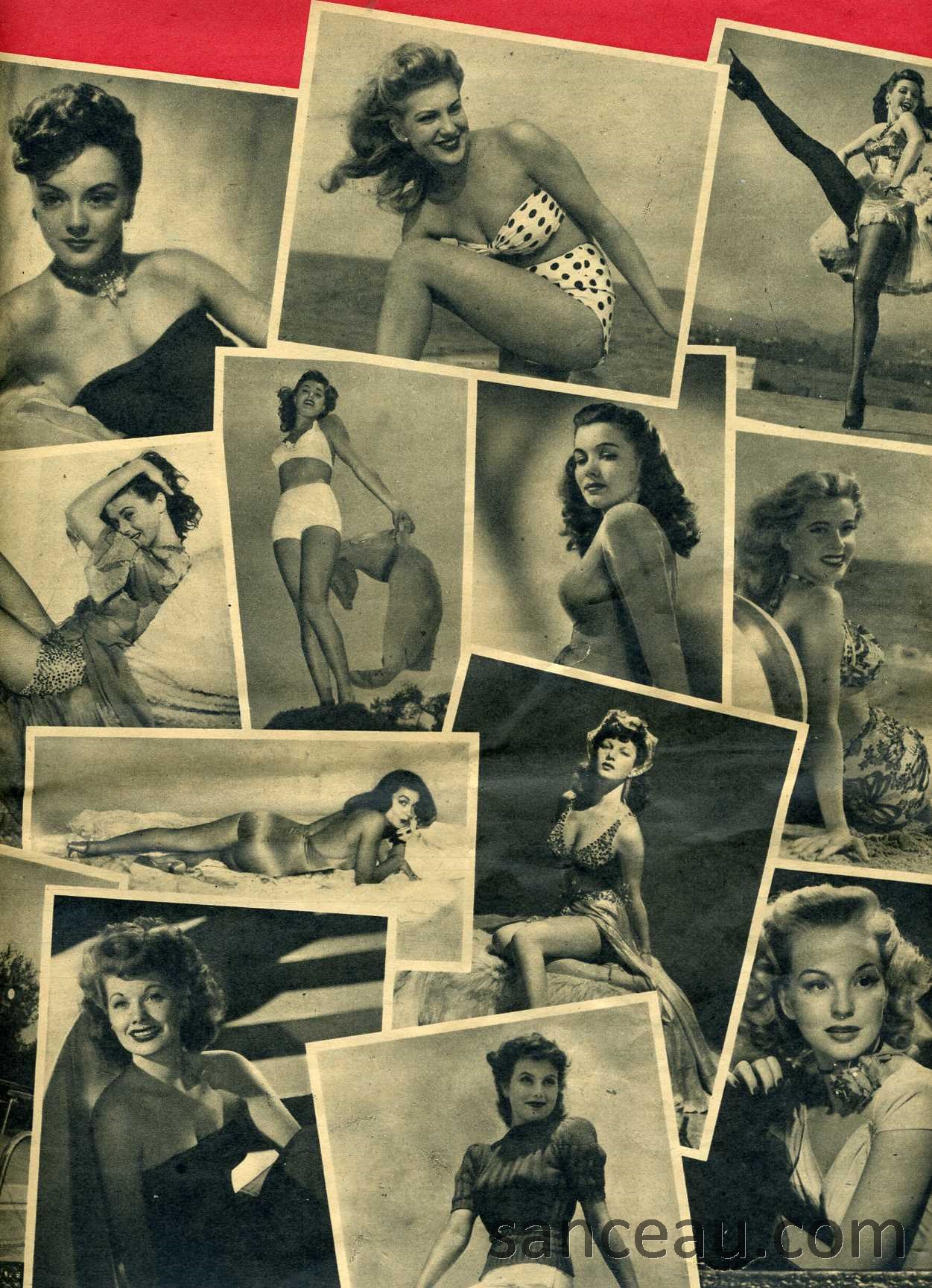
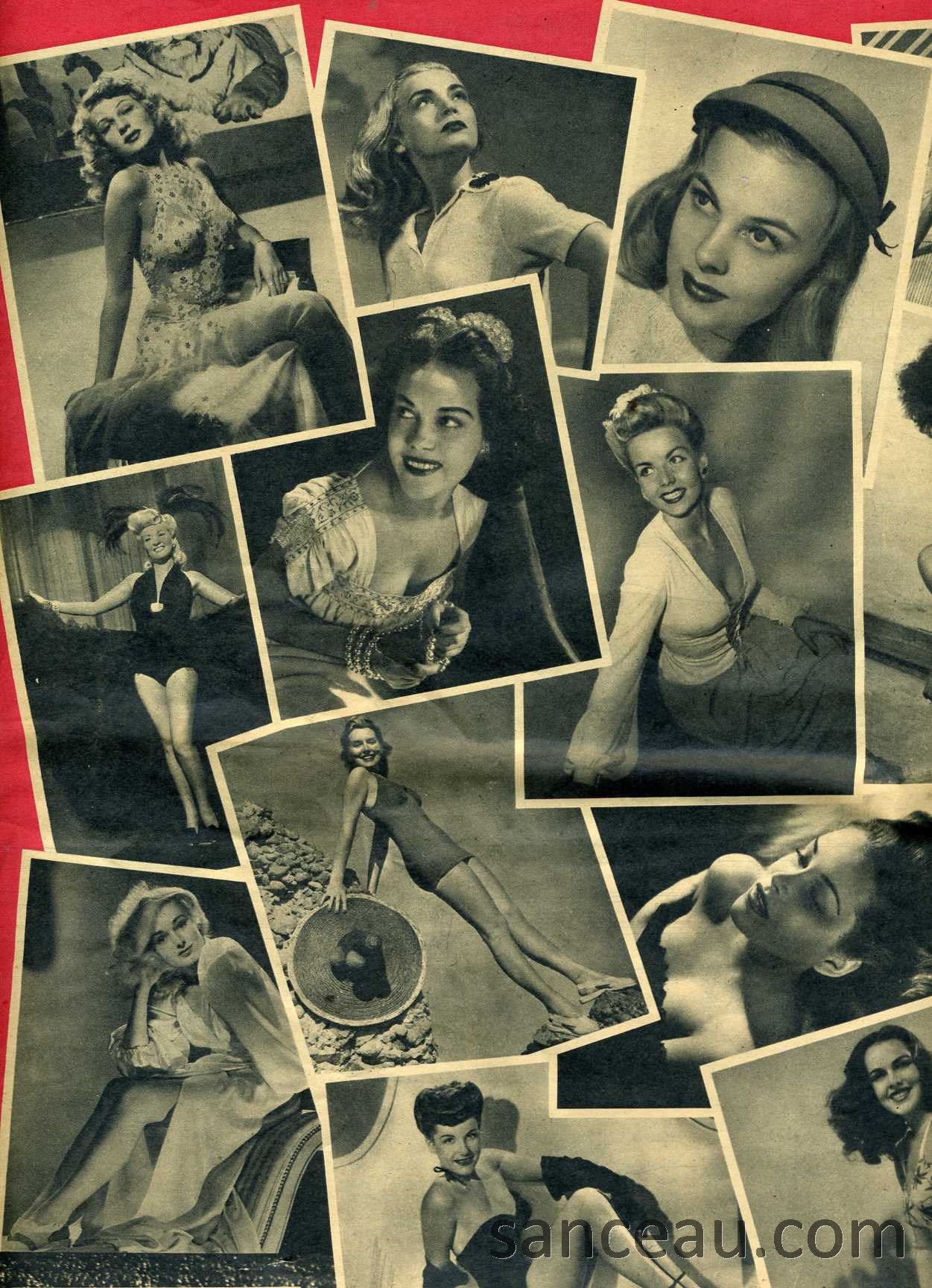
 As you might guess, the centerfold included these lovely ladies:
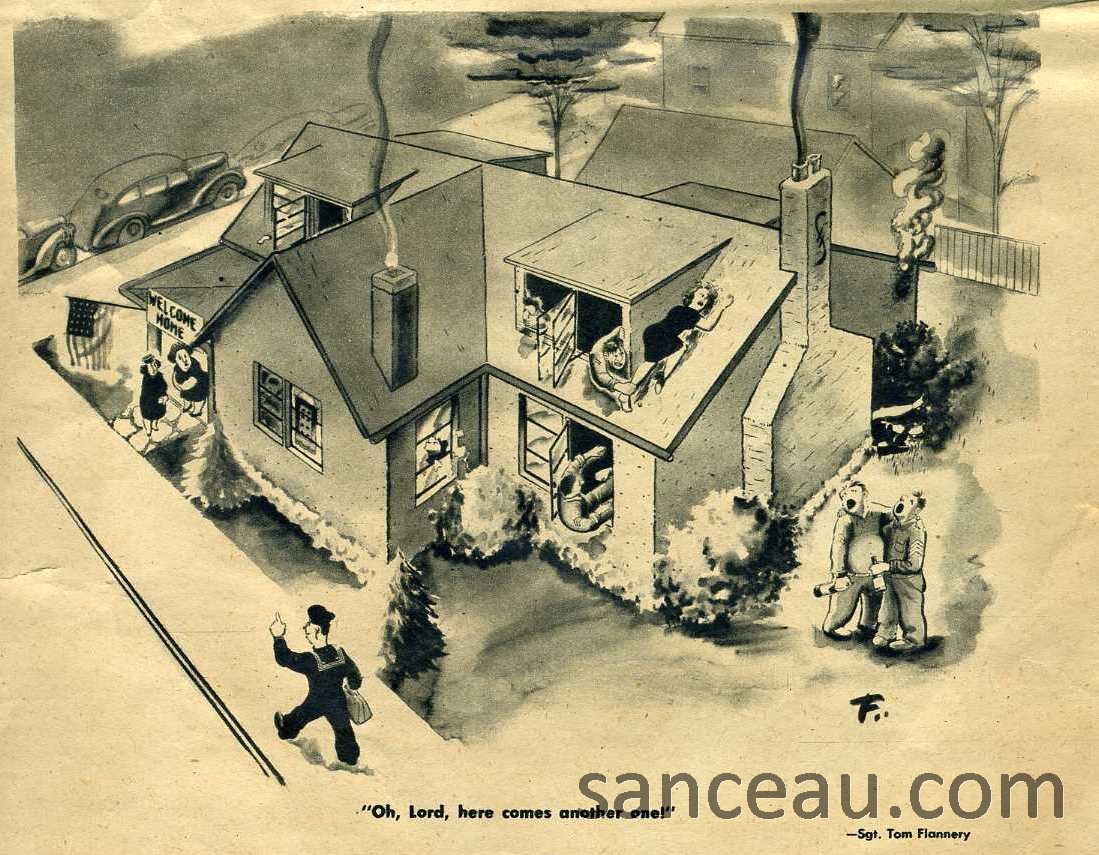
 Apparently, the servicemen were feeling a little frisky once they landed on familiar soil.
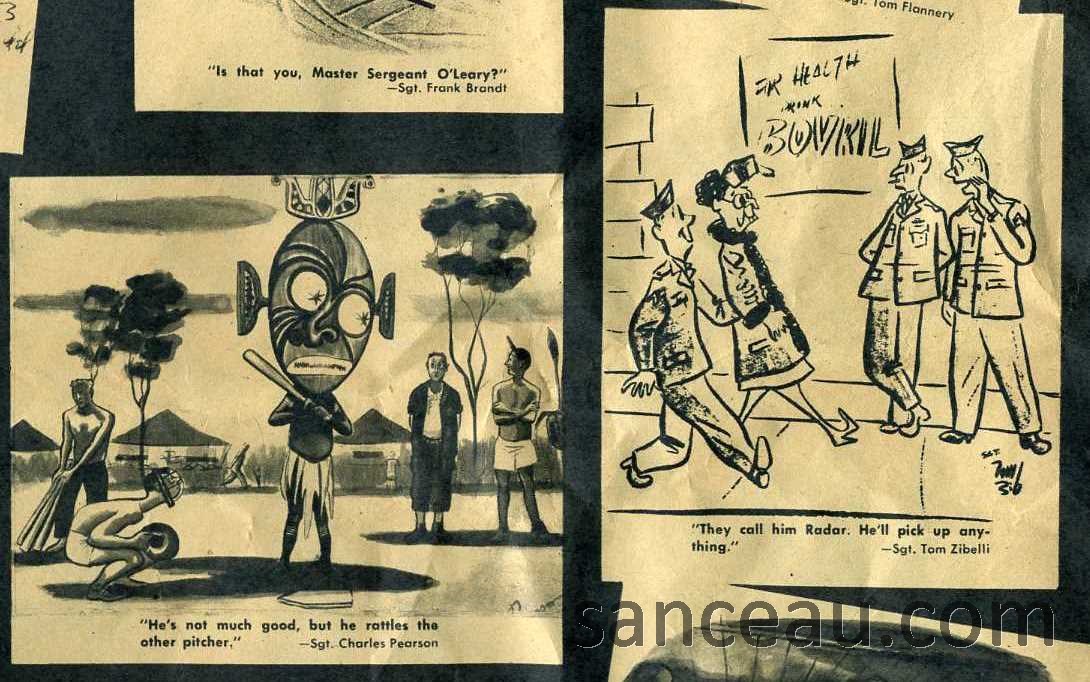
And there are some (understandably so) not quite politically correct cartoons…
 Stay tuned for Part II for another inside glimpse into Yank, the army weekly.
 I Don't Get It