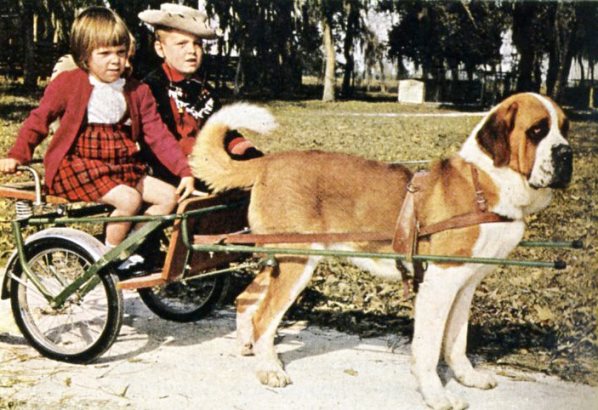
“Dog Land” was actually a thing. I’d pay money to go play with dogs.

For more information about Dog Land, click here. Will Shetterly is the son of Dog Land’s owners, and he even wrote a novel based on it.
“Dog Land” was actually a thing. I’d pay money to go play with dogs.
For more information about Dog Land, click here. Will Shetterly is the son of Dog Land’s owners, and he even wrote a novel based on it.

Cheju is now known as Jeju, an island near South Korea, where these boys (now in their 50s) swam and sunned.



3 Children are a gift from the Lord;
they are a reward from Him.
4 Children born to a young man
are like arrows in a warrior’s hands.
5 How joyful is the man whose quiver is full of them!
Psalm 127:3-5

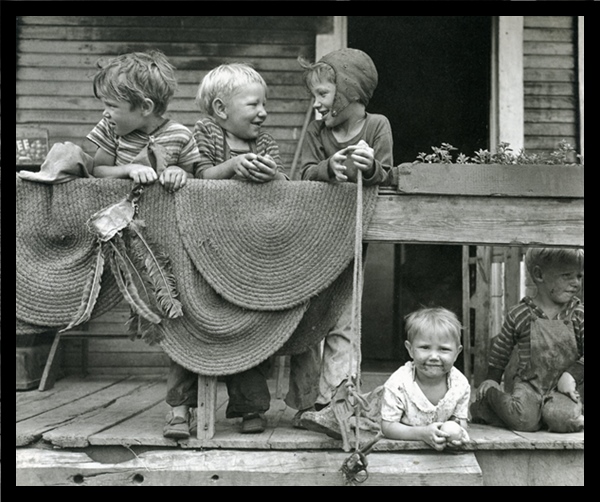
You may have seen some of Russell Lee‘s fantastic images before. This is one of my favorites. Lee passed away in 1986 here in Austin, Texas, and this year, the former Lee Elementary was renamed Russell Lee Elementary in honor of the photographer, replacing the original namesake, Robert E Lee. I don’t have to ask why they are phasing out anything named in honor of Confederate generals; I imagine it is all part of the collective disappearance of anything related to the politically-incorrect South. I understand that folks don’t like what the Confederacy stood for (including the flag); but that doesn’t mean all of its soldiers should be erased from history. I guess the offensive ideology of The Antebellum South (which can’t be boiled down to just one issue) trumps honoring any of their leaders’ military strengths. In any event, I’m not in charge, and Texas isn’t even part of The South. I got no dog in this hunt; I just love chunky-faced kiddos, and the mutual expression those two boys are sharing.
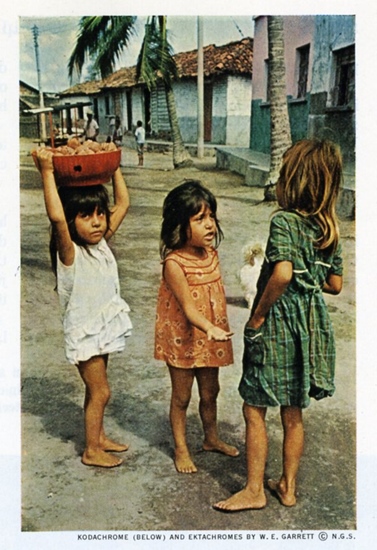
Barefoot Mexcaltitán pre-schoolers practice the art of the bargain as Luz Maria gets aggressive toward Green Dress, whose lowball offer for their fruit has insulted the entire Ruvalcaba family. Twin sister Martha Estella bears a bowl of coquitos de aceite on her head, patiently enduring the exchange and the heated voice of the alpha twin.


In 1944, rats were ravaging farms, gnawing into sill beams, eating poultry and eggs and consuming livestock feed. Rats were estimated to destroy $45 worth of food a year, at a time when chicken and livestock feed were hard to come by.
Little Robert De Glopper was made of sturdier stock than children these days, and consequently made himself quite a profit at 3 cents per dead rat. Ten rats an hour would match the minimum wage of 30 cents.

Can you imagine if today’s town clerks had to count rat tails?
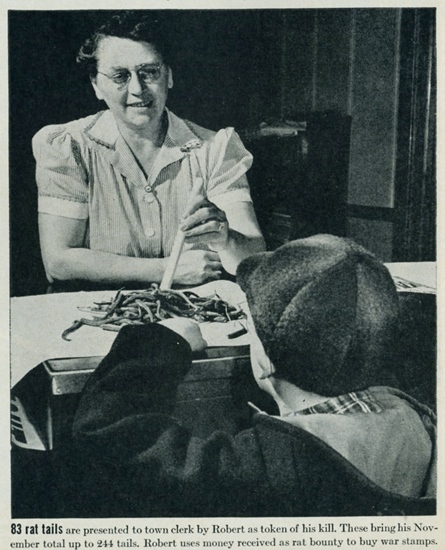
War bond prizes were given to the boy or girl who 1) killed the most rats, 2)the heaviest rats, or 3) the ones with the longest tails. Such fun before TV and video games existed! Even dogs and cats were cited for meritorious work.
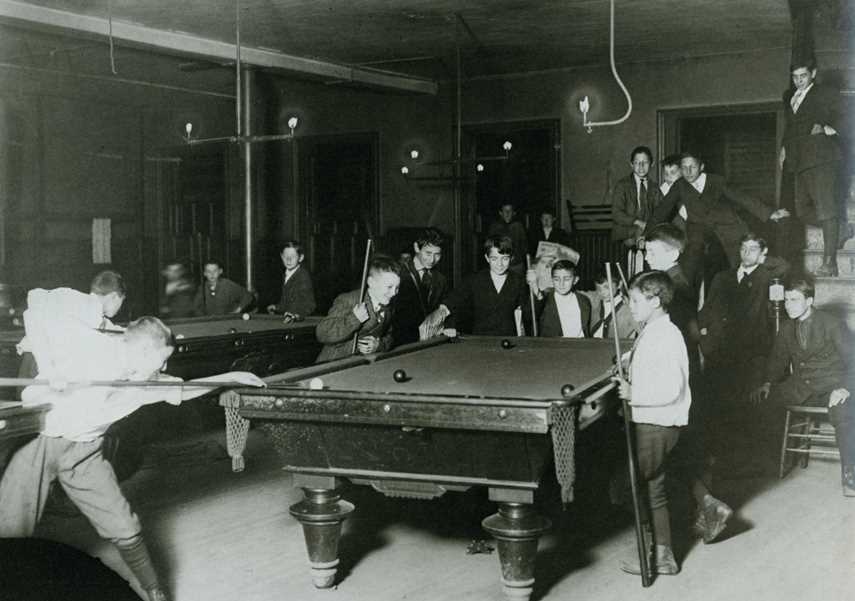

A policeman in Cardiff, capital of Wales, leads children across the street in the 1930s. By 1934, road deaths exceeded 7000 per year, so the transport minister, Leslie Hore-Belisha, introduced the striped pole topped with an orange globe.
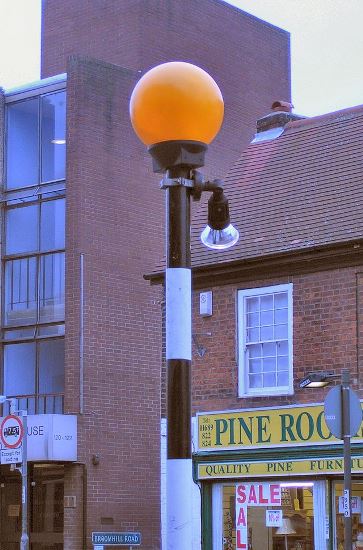
I can’t say as I’ve ever heard of or seen a Belisha beacon (aka a pelican beacon), which began marking pedestrian crossings of roads, later painted in black and white stripes, and known as zebra crossings. Yes, like the one on Abbey Road!

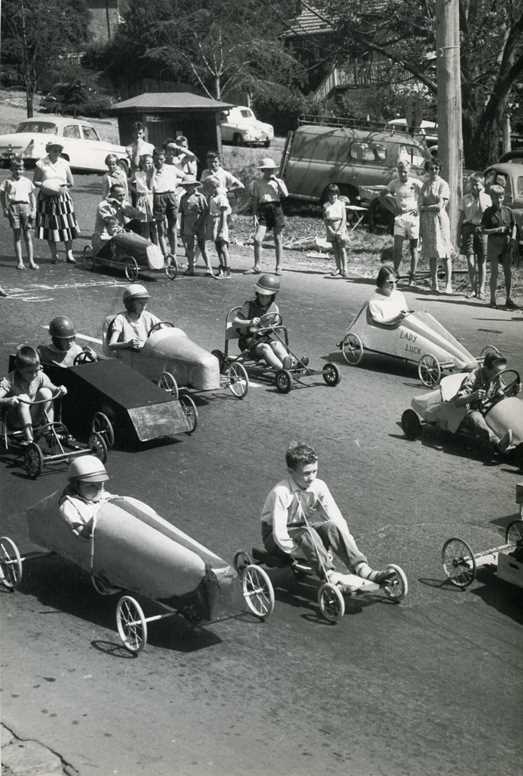
Billy carts…not to be confused with Billy Carter.
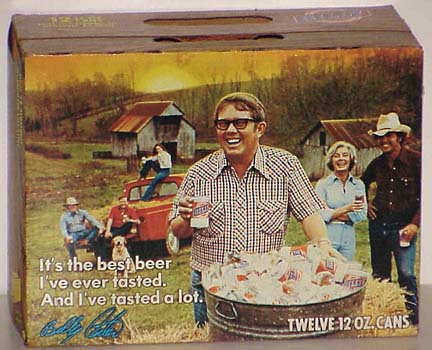
 I Don't Get It