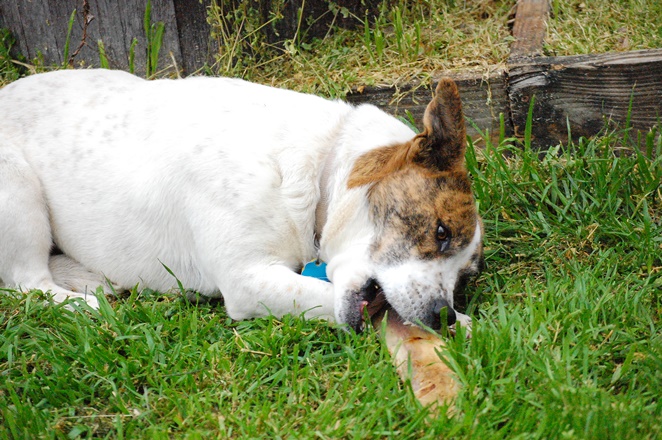
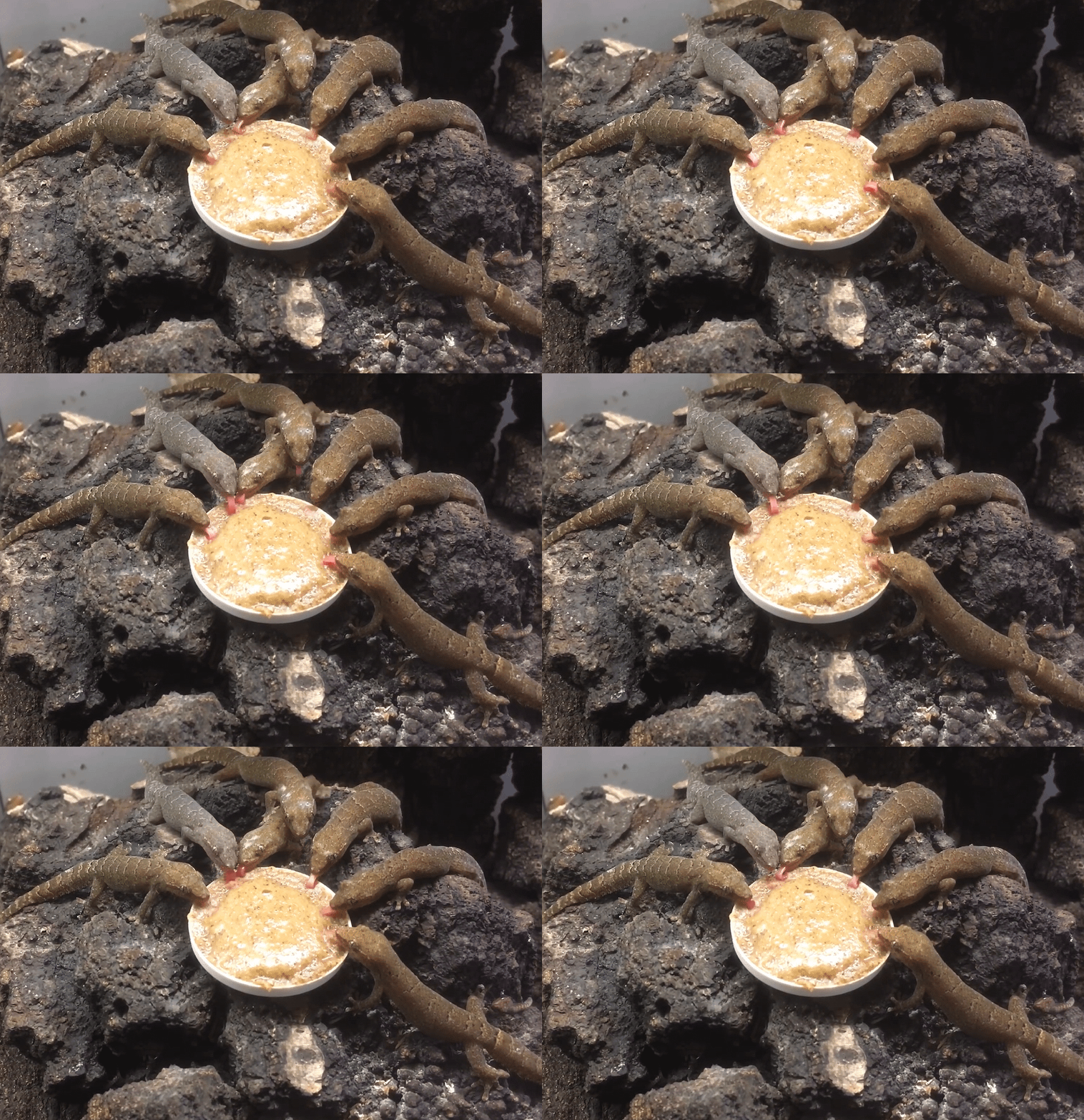
Roxie seemed pretty pleased with the gift I bought at the grocery store this morning.She didn’t mind that it was sprinkling or cold outside.And Tonto got one of his own as well.
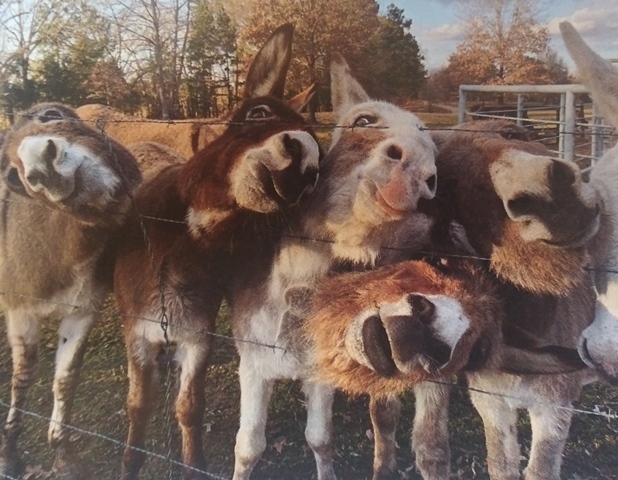
This is how I imagine it feels to be on a dating site, trying to find matches. The actual explanation goes as such:
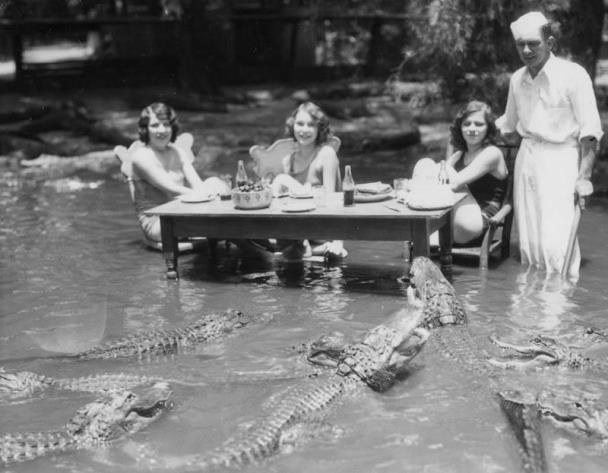
A picnic at the California Alligator Farm in the 1920s, located in the Lincoln Heights neighborhood of Los Angeles between 1907 and 1953. The farm had 20 ponds for the trained alligators where patrons could mingle freely with them. Visitors were told not to “throw stones at the alligators, spit on, punch or molest them in any way.”
Dept of Health & Human Services, Susan Langenhennig
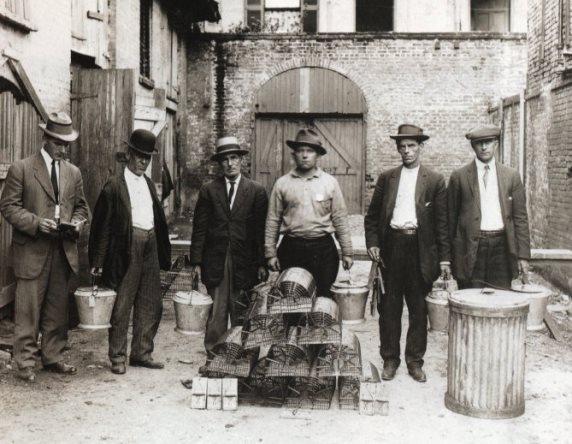
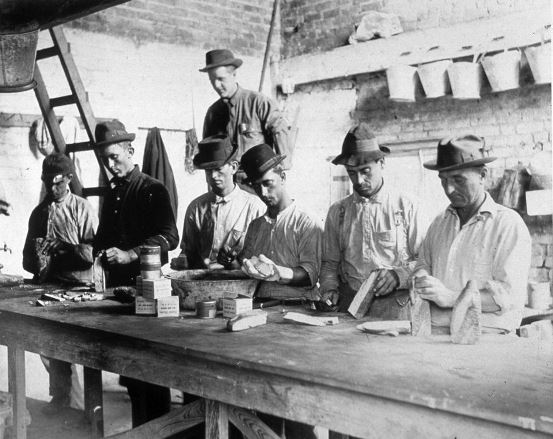
1914, New Orleans. The Public Health Service, created in 1902, helped suppress an outbreak of bubonic plague by mobilizing this team of rat-catchers to eradicate the filthy beasts which spread the disease. Seems like backbreaking work to me, one that would not necessitate a hat and tie.
Per nola.com,
An army of 380 workers swept across the city to carry out the campaign. In a single week, they inspected 6,500 railcars and 4,200 buildings, fumigated 101 ships, trapped 20,000 rodents, laid nearly 300,000 poison baits and discovered 17 infected rats.
Using good scientific protocols, workers recorded data for each trapped rat, and when a laboratory analysis identified an infected specimen, its point of origin was subjected to a scorched-earth campaign of fumigation, burning, and in some cases, complete leveling.. Tactics like these went on daily, citywide, for months.
Ground Zero in the geography of rats proved to be the Stuyvesant Docks, where that first infected specimen had been found two years earlier. Here, mechanical conveyors transferred Midwestern grain among railroad cars, ships and elevators. Coupled with the warm fresh water of the nearby Mississippi River and ample nesting opportunities, the Stuyvesant elevators were a veritable rat nirvana. The campaign made them into a rat graveyard.
Susan Langenhennig, workers preparing rat poison
Death to the Black Death!
Bonus rat fun fact: Cagney never actually said, “You dirty rat.”
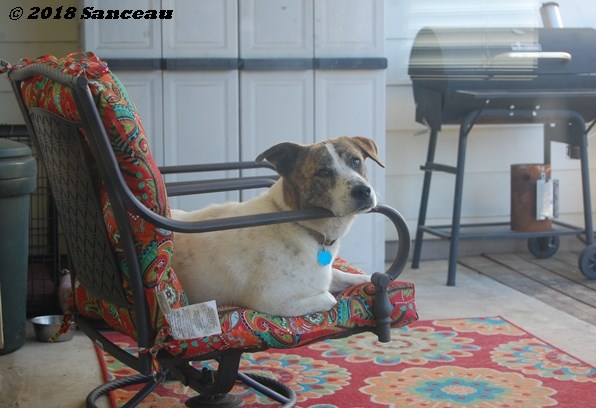
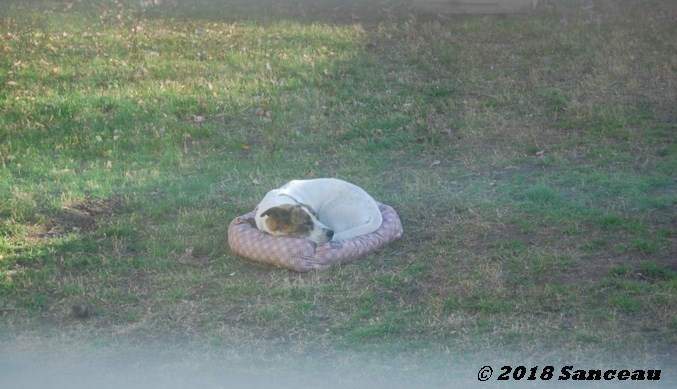
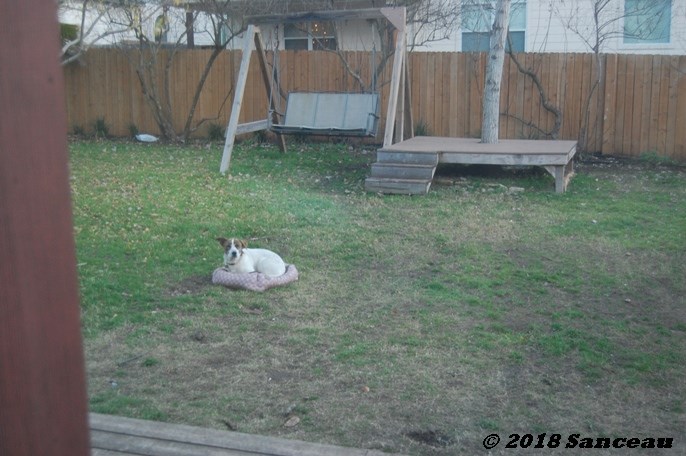
Roxie, our Hurricane Harvey rescue pooch from just over a year ago, doesn’t know how to leave a good thing alone. She keeps dragging her dog bed out into the middle of the yard, despite the 35mph winds, and curls up into it when she could be protected on the porch.
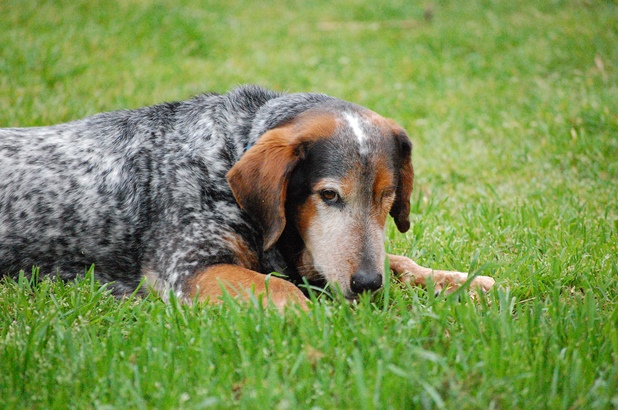
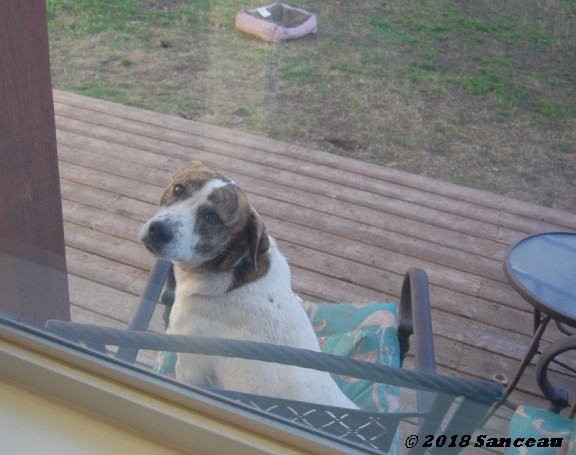
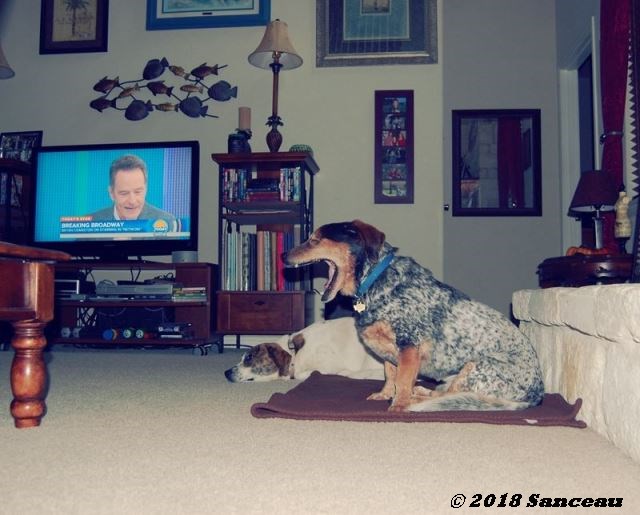
Lest you find her bed too diminutive, be aware that she chewed her dog bed up, and has now procured the bed of Tonto, our senior heeler/basset. During a water break, the wind flipped her bed over, and she decided to nest on the blue flamingo cushioned chairs instead.
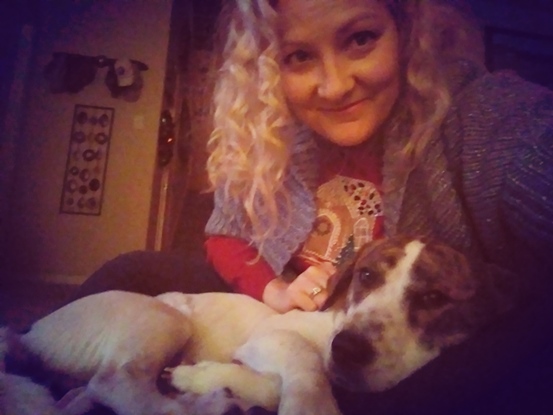
I remember the vet telling us she “didn’t know how to dog.” She couldn’t take stairs, exclusively army-crawled through the house, wouldn’t get within two feet of the utility room, and leashes still freak her out (yes, we have a harness). She goes flat as a pancake on the ground and trembles at the Petco like she’s in a San Francisco earthquake. So we don’t take her. Instead, she spends her days in the back yard, free to run and play and bark at grackles, incite a weary 9-year-old Tonto into wrestling, and move any cushions/bedding/sprinkler heads/scrub brushes into the middle of the yard, sans consent. But when she gets to come inside, she curls up into my lap.







 I Don't Get It