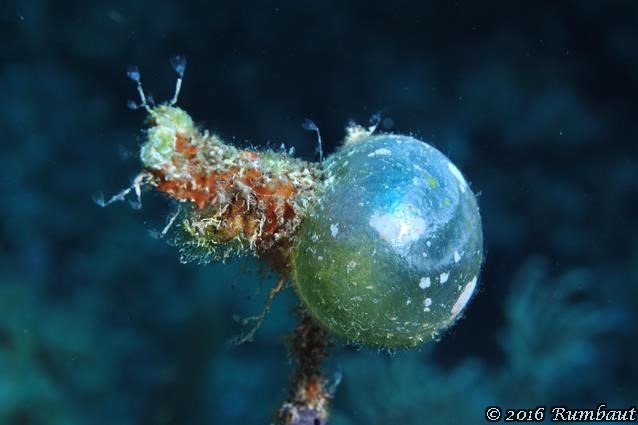
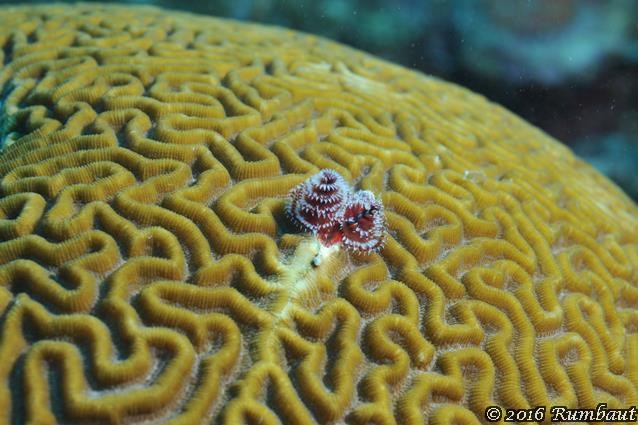
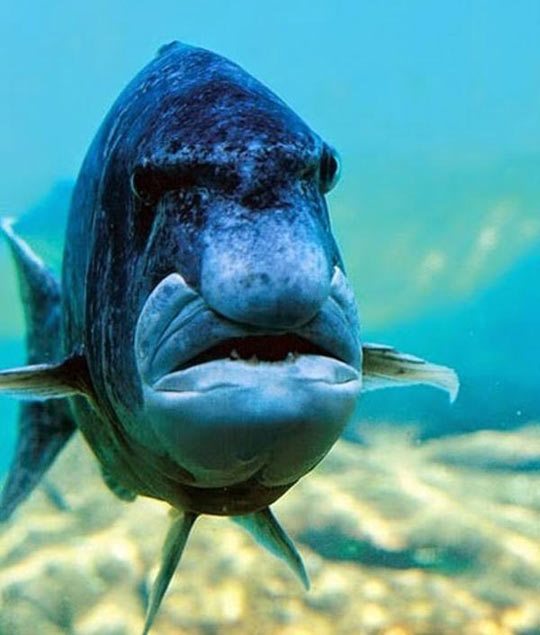
I couldn’t begin to tell you what this is. Something down deep in the sea with little feelers. This next one I was told was a brain coral with a bristle worm on it.
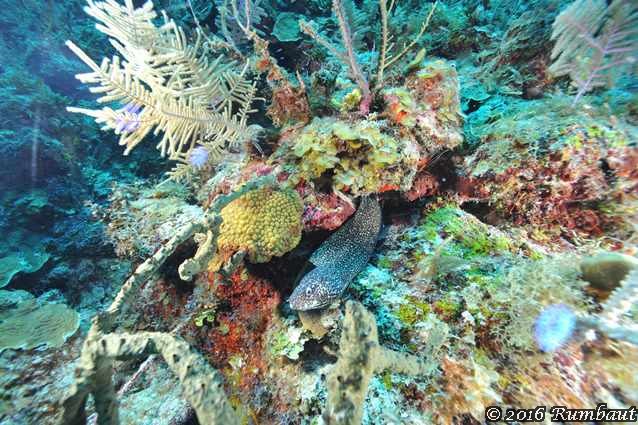
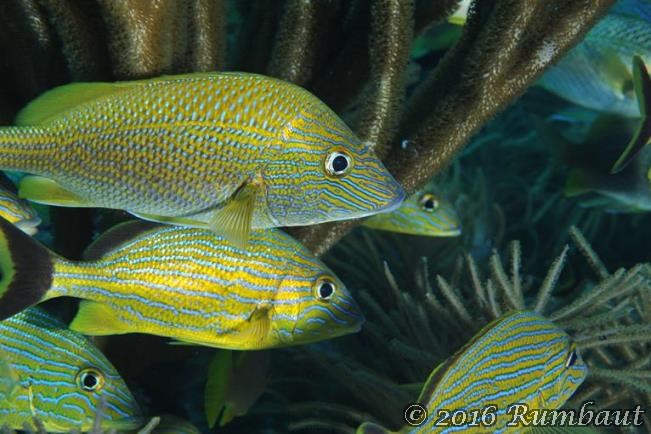
What a Creator we have indeed! Look at all the colors undersea.
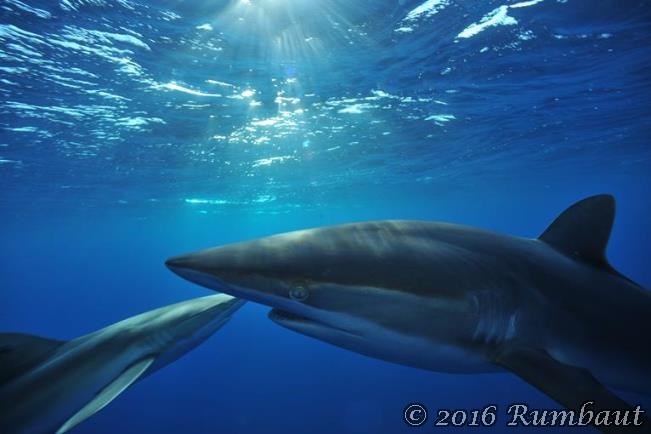
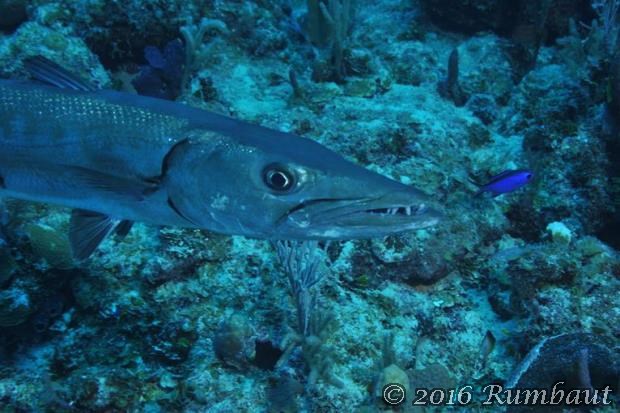
My aunt and her scuba-dive-loving husband visited Cuba late last year and were able to schedule a series of dives. Among them–swimming with the sharks. Clearly they are both more fearless than I. But the pictures my uncle captured with his camera were amazing.
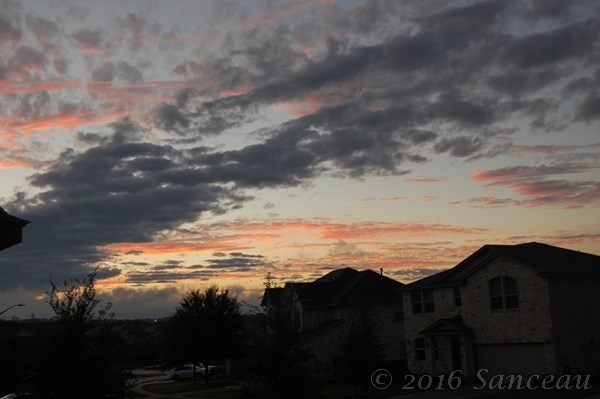
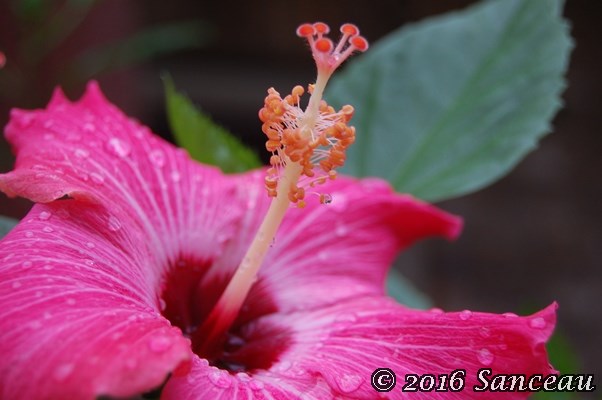
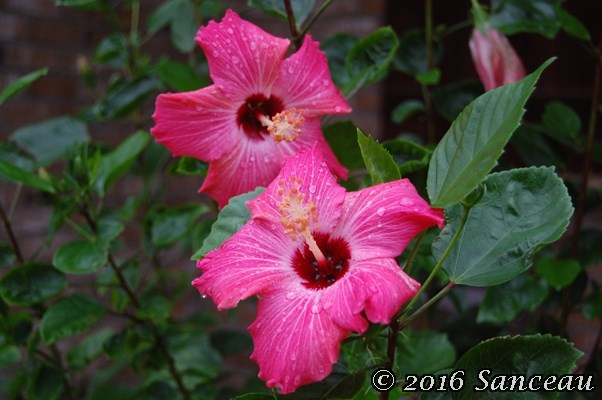
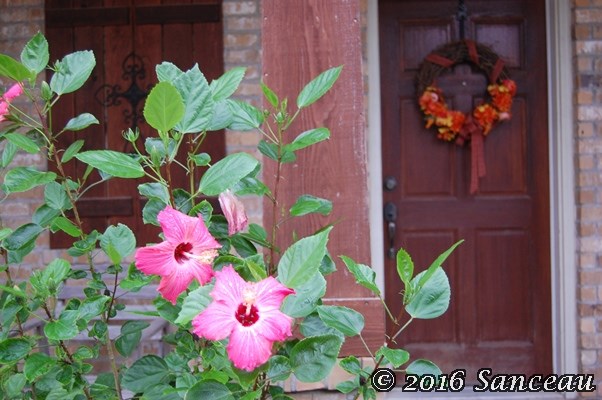
This week marks the first week since spring (I’m gonna say April) that we did not exceed 80 degrees here in central Texas. And that’s why our hibiscus flowers are still blooming a week into November. We had a rare and blessed rain today, and the flowers seemed to drink it up.
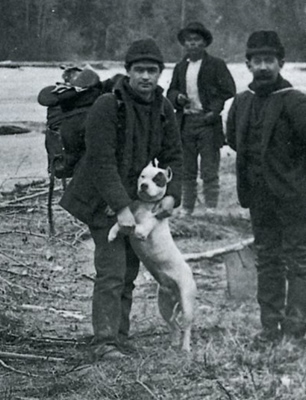
Here a family drags all of its belongings into the Yukon Territory near Alaska in 1898. This must have been the granddad of Petey the dog from Our Gang.
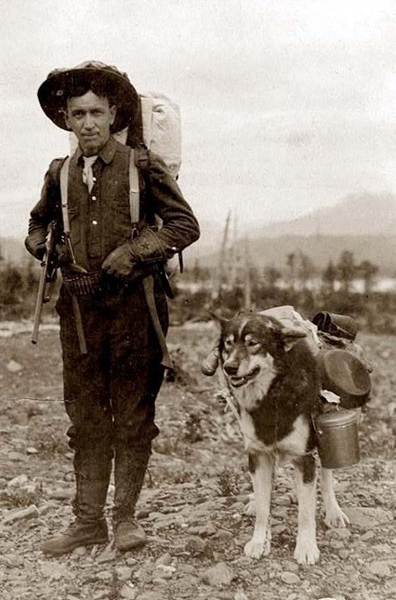
And here’s a happy pack dog with his gold-prospecting owner in the Yukon Territory a few years later. He gets to carry the pots and pans.
pinterest
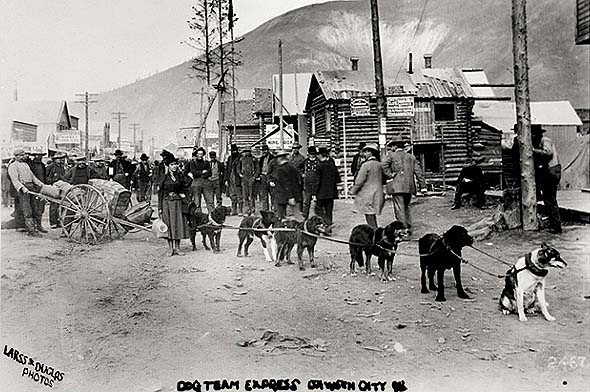
This group of dogs in Dawson City in the Yukon was responsible for carrying mail in 1898.
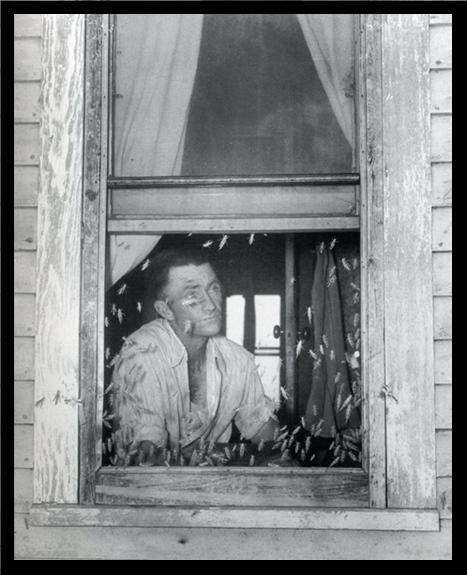
A New Mexico man sits in a stupor, as some of the millions of grasshoppers that invaded the land swarm his window.
Said Sam Arguello of Union County, New Mexico in 1938:
You’d pull on the reins and the horse would slide on the grasshoppers. And that’s a fact. That’s not make-believe. I went through it. I know it.
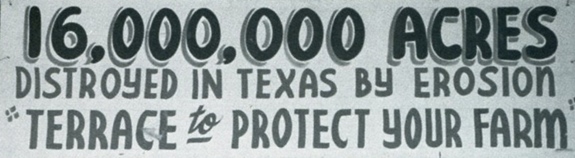
If it wasn’t grasshoppers, it was erosion.
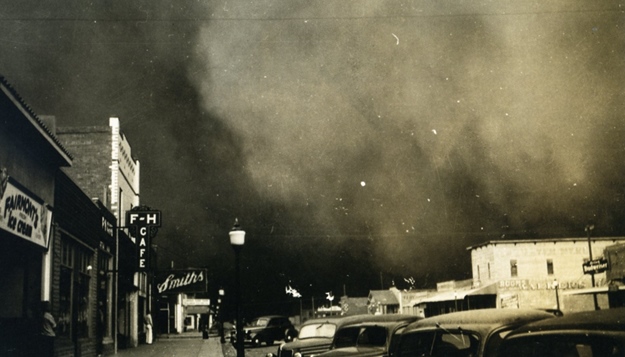
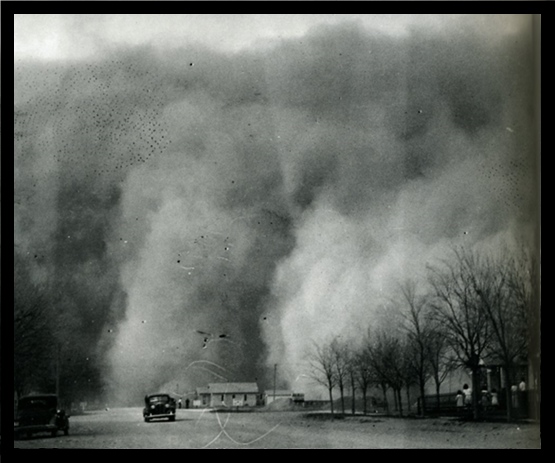
And with erosion, came the dust. Below a black blizzard hits Elkhart, Kansas on May 21, 1937.
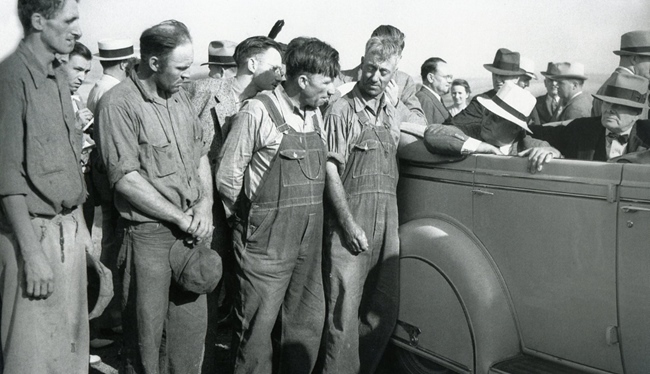
FDR encouraged these Boise City farmers to stay put, offering the promise of help and hope. Said Timothy Egan, “Here’s a land that God Himself seems to have given up on, getting the backhand of nature.”
But many could not heed his words. The Dust Bowl exodus was the largest migration in American history. According to www.pbs.org, by 1940, 2.5 million people had moved out of the Plains states; of those, 200,000 moved to California.
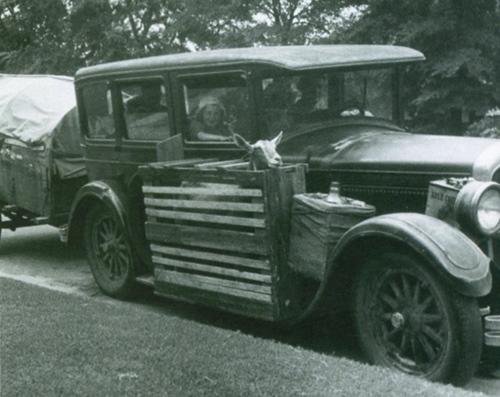
This Texas family loaded up their goat and hit the road, Jack.
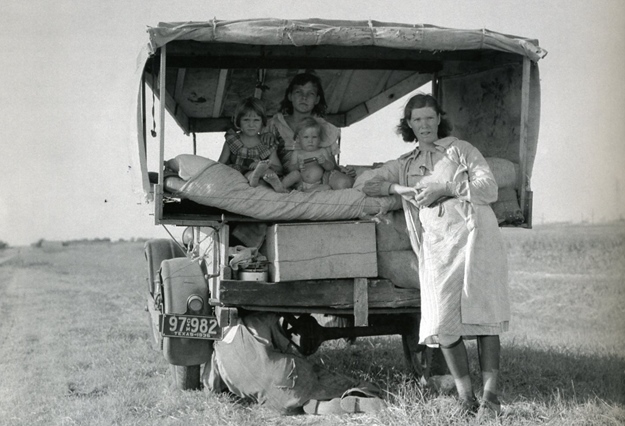
Complications would arise, but this Texan father was able to repair the back axle while his family waited in the shade of a tarp.
Eventually, the drought let up, and precipitation returned. By the end of 1939, the Dust Bowl had shrunk to 1/5 its previous size. By 1940, the drought was officially over, and many farmers harvested their first profitable crop since 1930.
According to Lorene Delay White in The Dust Bowl: An Illustrated History:
Now one will ever know what it meant to us to have it rain. That’s what we prayed for, what we yearned for, was the rain that came that would soak in to the ground and let us raise a crop and eventually stop the dust.
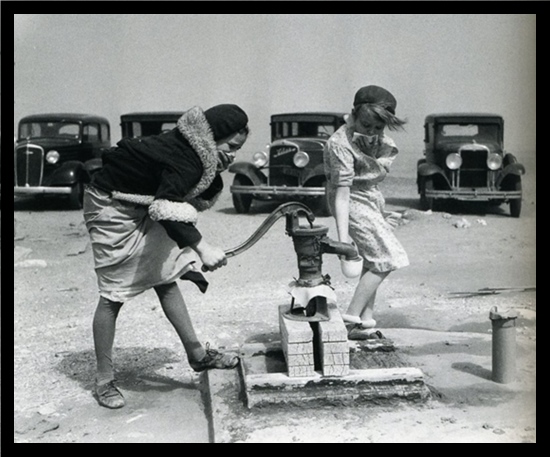
Two Baca County, Colorado girls cover their mouths while pumping water into a cup in March 1935.
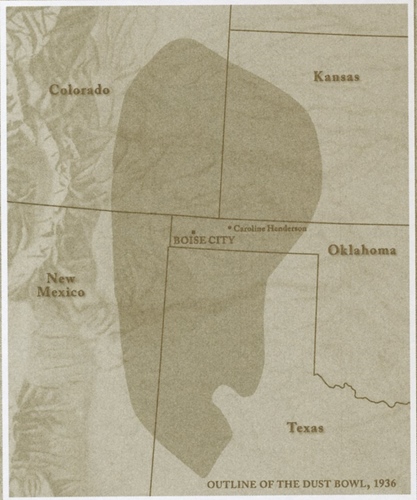
The Dust Bowl by Duncan & Burns showcases images and stories from the five states affected by the “worst man-made ecological disaster in American history.” Below is what is considered the Dust Bowl during the 1930s.
Wind, drought, and poor farming practices combined to create a perfect storm of “black blizzards” across millions of acres, lasting nearly a decade.
Imagine 14 million grasshoppers per square mile descending upon parched fields, while millions of tons of topsoil blew away each year, seeping into every crevice imaginable.
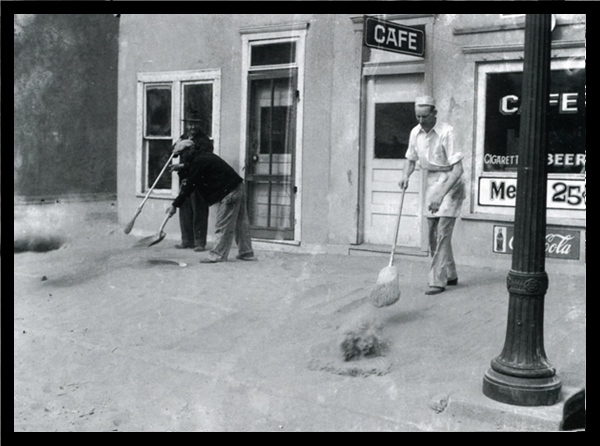
Syracuse, Kansas shopkeepers kept their arms strong by continually sweeping the dust from their sidewalks.
This paperboy in Ness City, KS donned a dust mask and goggles in order to complete his job. One imagines the headlines maintained Living in the Dust Bowl Stinks.







 I Don't Get It