Sophie is actually just leading a mime workshop. I know, right? Mime. I guess when you’re deep into the craft of mime, you don’t have time for styling long locks. A mime’s best friend is a wash ‘n’ go hairstyle–after a black leotard and white face paint, of course. Let me just say that I’m not too keen on whiteface, any more than I am about blackface, or a combination thereof.
By the way, did you know that mime did not die out with Marcel Marceau? They have mime schools (yes, plural) in Paris, France. Another reason for me not to go to France.
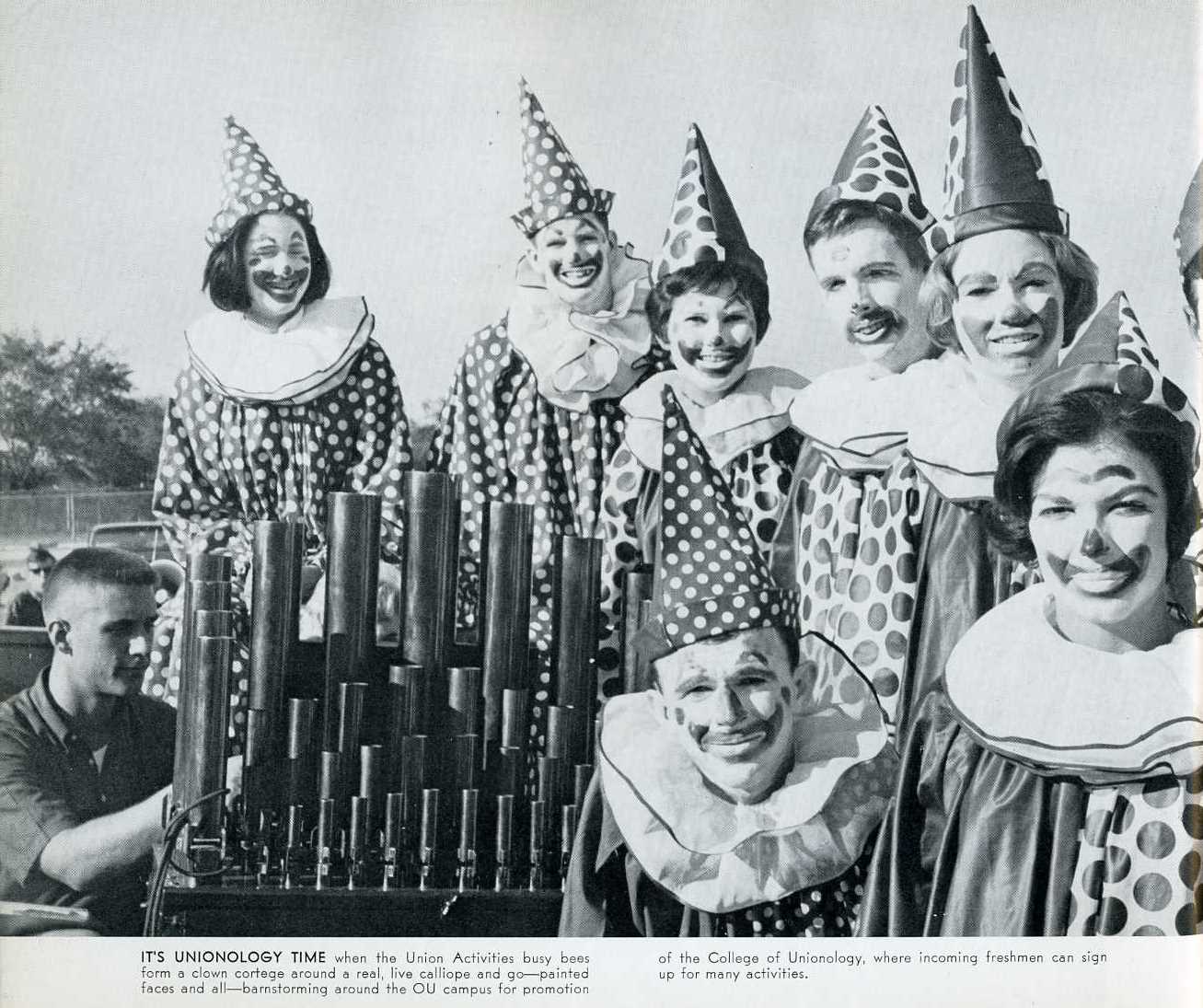
Holy crap, he makes freaky clowns look like Care Bears.
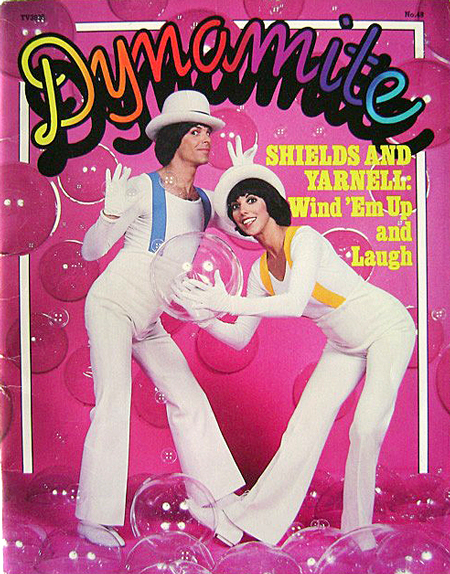
I’d rather wake up to a man in Gene Simmons’ Kiss make-up than any of this crazy smeared mess. Do you know how traumatizing it is to an elementary age child to have to watch Shields and Yarnell (RIP Yarnell) dressed as Sonny and Cher on TV, doing what would later be called “the robot” by breakdancers?
They even disgraced the cover of my beloved Dynamite.
I wonder if they made out like that when they got home? All stiff like the tin man, with a laugh track playing in the background to help their self-esteem. You’ll have to youtube them yourself; I’m not poisoning my blog with any more memories of mimery.
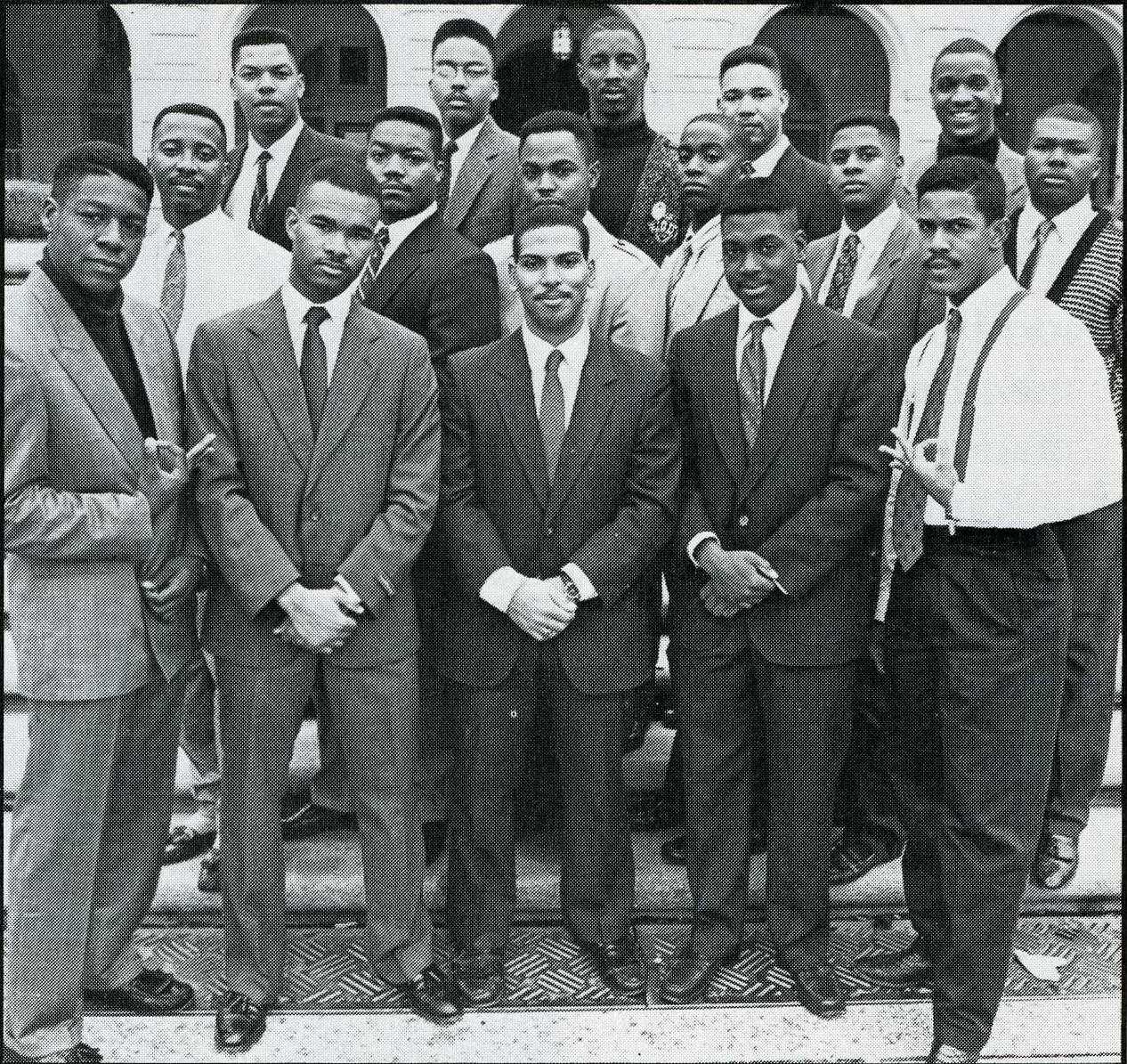
The quality of this photograph and the confidence of style at this 1920 Howard University Football Game begs the question: Could this really be 96 years ago??
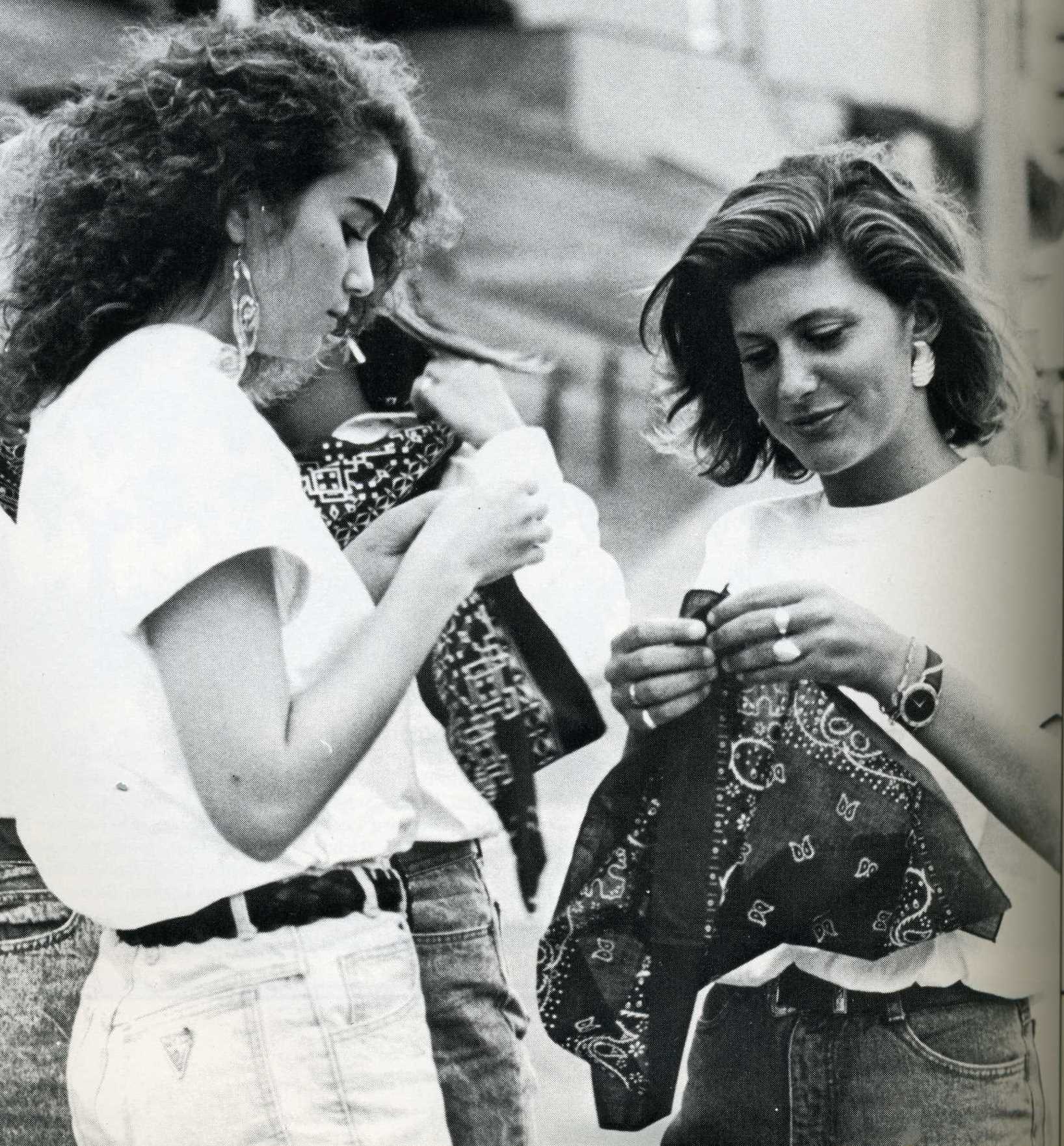
Two liberal arts majors receive their Texas Cowgirls membership bandannas, thus allowing them to volunteer at HOBO (Helping Our Brothers Out), which gave Thanksgiving dinners to the homeless. Texas Cowgirls was a social club made up of girls from different sororities as well as “independent” girls, brought together at “Tap-In” and known as “heifers” until the next group was tapped in. Seriously.
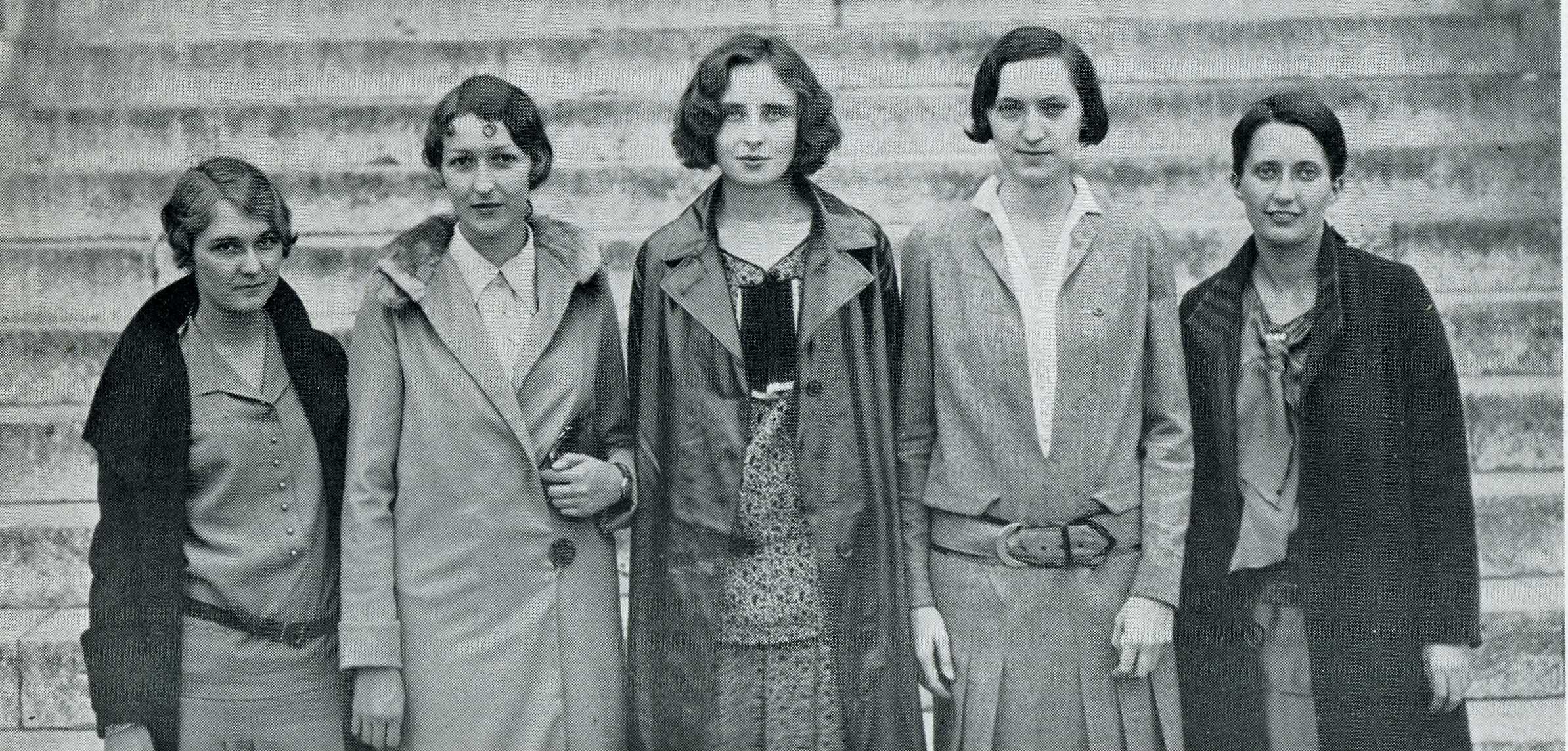
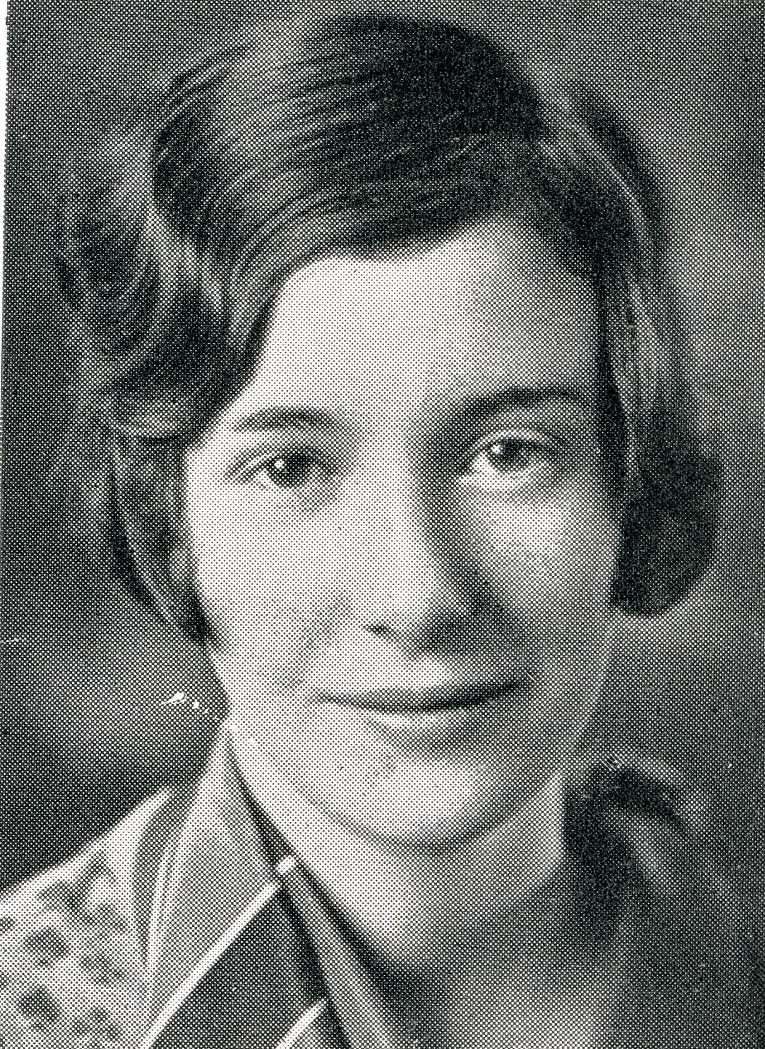
In 1915, trendsetter and celebrated ballroom dancer Irene Castle debuted her Castle Bob, but it would not be until the next decade that the hairstyle began to catch on. By 1930, college campuses were filled with bobbed young independent women. It was all the rage. Curly or straight, blonde or brunette, it didn’t matter. Locks of Love would have had a field day.
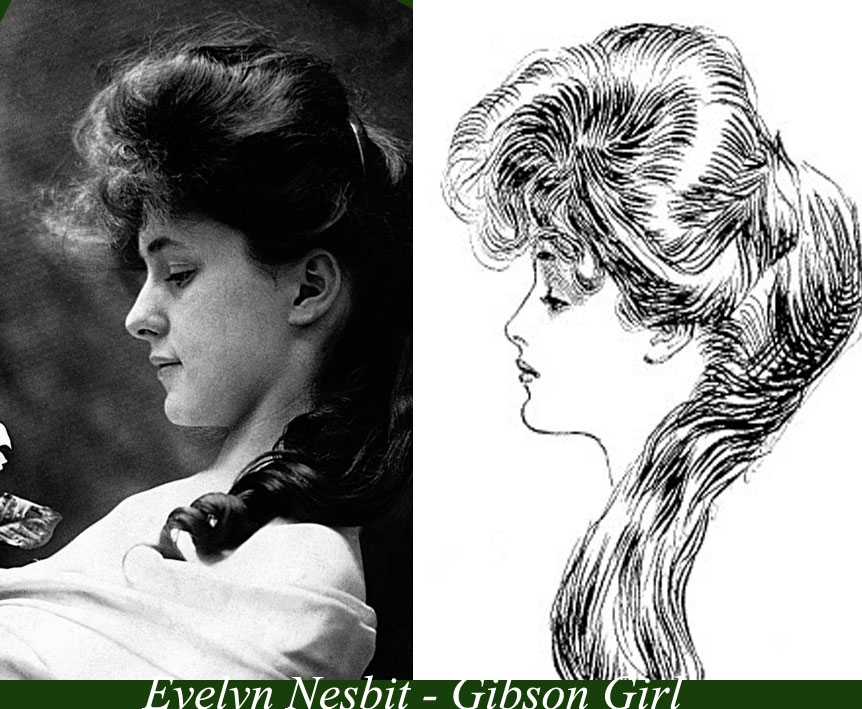
It was quite the departure from the long, high-maintenance tresses of the early twentieth-century Gibson Girl.
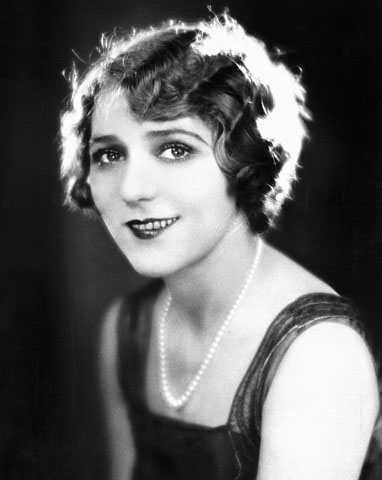
In a 1927 magazine interview, Mary Pickford, one of silent film’s most famous actresses, explained: I think I should never be forgiven by my mother, my husband, or my maid if I should commit the indiscretion of cutting my hair. The last in particular seems to take a great personal pride in its length and texture, and her horror-stricken face whenever I mention the possibility of cutting it makes me pause and consider. Perhaps I have a little sentimental feeling for it myself. I have had my curls quite a while now and have become somewhat attached to them. Besides, there is no use denying the fact, no matter how much I should like to do so, that I am not a radical. (source:http://historymatters.gmu.edu/)
Mary Garden, a famous opera singer at the time, however, was very much a radical, as evidenced by her testimony. She equated bobbing of hair to the casting of shackles.
Bobbed hair is a state of mind and not merely a new manner of dressing my head. It typifies growth, alertness, up-to-dateness, and is part of the expression of the élan vital! [spirit] It is not just a fad of the moment, either like mah jong or cross-word puzzles. At least I don’t think it is. I consider getting rid of our long hair one of the many little shackles that women have cast aside in their passage to freedom. Whatever helps their emancipation, however small it may seen, is well worth while.
Bobbing the hair is one of those things that show us whether or not we are abreast of the age in which we find ourselves. For instance, can you imagine any woman with a vivid consciousness of being alive, walking along the street in 1927 with skirts trailing on the ground, wearing elastic-side shoes, a shawl, and also a mid-Victorian bonnet? If you saw such a sight you would instantly put her down as one who had ceased to grow, as one who was passé [out of style] and very far from being an up-to-date woman…
I do my best to be constantly on the alert and up to the moment. On my toes, as the boys say. I could no more imaging myself wearing a long, trailing skirt in 1927 when all the world was wearing short skirts than I could wear long, trailing tresses when all the world (or nearly all of it) had wisely come to the conclusion that bobbed hair was more youthful, more chic, and, if I may say so, much more sanitary.
Keep in mind that Ms. Garden was already in her FIFTIES when she made these comments. But most college-age gals agreed. Not a one of these sorority girls wore long hair. Everyone had hopped aboard the peer pressure bandwagon. Whether Jews…
Phi Sigma Sigma
…or Gentiles.
Chi Omega
The yearbook editors had nothing but kind words for the bobbed Miss Jackson, praising her for her “naturalness.”
Of course, naturalness doesn’t win any crowns. Just ask Honey Boo Boo. A little dazzle, a little pizzazz, a little sizzle–pretty much any word with double z’s–would bring the boys calling like cats to shiny objects. Women like these Bluebonnet Belles:
It seems no girls were immune to the bobbing pressure, even ones who had so staunchly been against it. Who wants to be left behind in the fads of the past? Mary Pickford herself had conceded in the aforementioned article, “It is quite likely that some day in frenzied haste, casting all caution to the winds, forgetting fans and family, I shall go to a coiffeur and come out a shorn lamb to join the great army of the bobbed.”
And shorn lamb she was. Mary cut her famous ringlets a year after that interview, soon after her mother died. So famous were her curls, that she even auctioned one for $15,000!
What do you think? Does she look better to you? Should we give in to peer pressure in the name of staying modern? Or should we stay stuck in the past, never evolving?
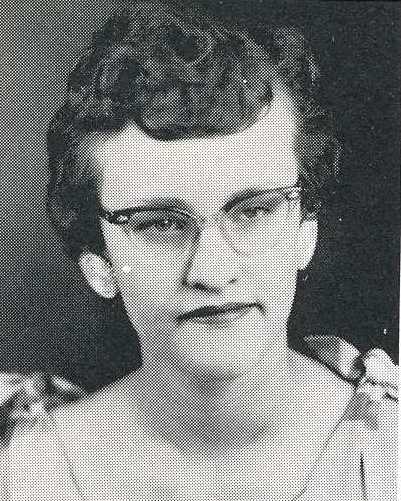
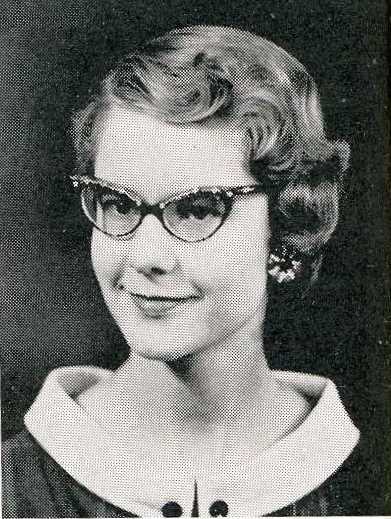
Behold the power of the cat’s eye glasses to make an otherwise attractive 16-year-old girl look 74 years old.
However, the presbyopia epidemic dared not cross the threshold of the Anderson home, for these two towheaded teens were clearly spared (or too vain to wear them in their portraits). If Delores and Donna were in fact twins, I can say with certainty that they were fraternal. We all know who the pretty one is. But if it’s any consolation, Donna had the better marriage. The Andrus twins, however, were identical, down to their floral pinafores. The only difference appears to be Norma’s daring sideswept bang. And her mischievous smile.
Then we have the bottom row, all of whom spent significant amounts of time with pink foam curlers–or perhaps, cans of frozen orange juice. The result can only be called breathtaking. In the case of the center ladies, I half expect a surfer to fly out from under the tidal wave atop their tilted heads. Magnificent! And Jean is really selling the look. Once you see the Sophomore Favorites, you’ll understand why they tried so hard. Two words. Elmer Snodgrass.
Once the word was out that he didn’t like Jana “in that way,” it was on. IT. WAS. ON. Competition was fierce. Jeanette Hill accidentally dropped her books in front of him. Classic Jeanette.
It didn’t work. Sandra Mabry used her graceful swanlike neck and coconut macaroon earrings to entice him in Economics class.
No dice. Pastor’s daughter, Donna Smith, lay in wait for him in the parking lot, asking for a light for her Camel.
He did not light her Camel. Those broads were swell, but they all lacked one thing that only Nancy Shurbet possessed.














 I Don't Get It